Modern pharmaceutical supply chains often extend across continents. Medicines manufactured in one country may travel thousands of kilometers before reaching distributors, pharmacies, and ultimately patients. During this journey, pharmaceutical products may face fluctuating temperatures, high humidity levels, mechanical stress, and prolonged storage conditions.
For formulations containing sensitive Active Pharmaceutical Ingredients (APIs), these environmental factors can pose significant stability risks. As a result, packaging plays a critical role in maintaining product quality throughout global logistics networks. Selecting the correct blister foil structure helps ensure that medicines remain safe, effective, and stable even after long transit periods.
Why Long Supply Chains Create Stability Challenges
Unlike many consumer products, pharmaceutical medicines must maintain strict quality and stability parameters from manufacturing to patient use. Long-distance transportation introduces multiple stages where environmental conditions may vary.
Shipments frequently move through trucks, shipping containers, cargo aircraft, and distribution warehouses. At each stage, exposure to temperature variation, humidity, and mechanical vibration can occur. Over time, these environmental stresses may affect both the packaging and the product inside.
For APIs that are sensitive to moisture, oxygen, or light, inadequate packaging protection can increase the risk of degradation during transit. Therefore, pharmaceutical packaging must be designed not only for storage stability but also for real-world supply chain conditions.
Supply Chain Journey Conditions
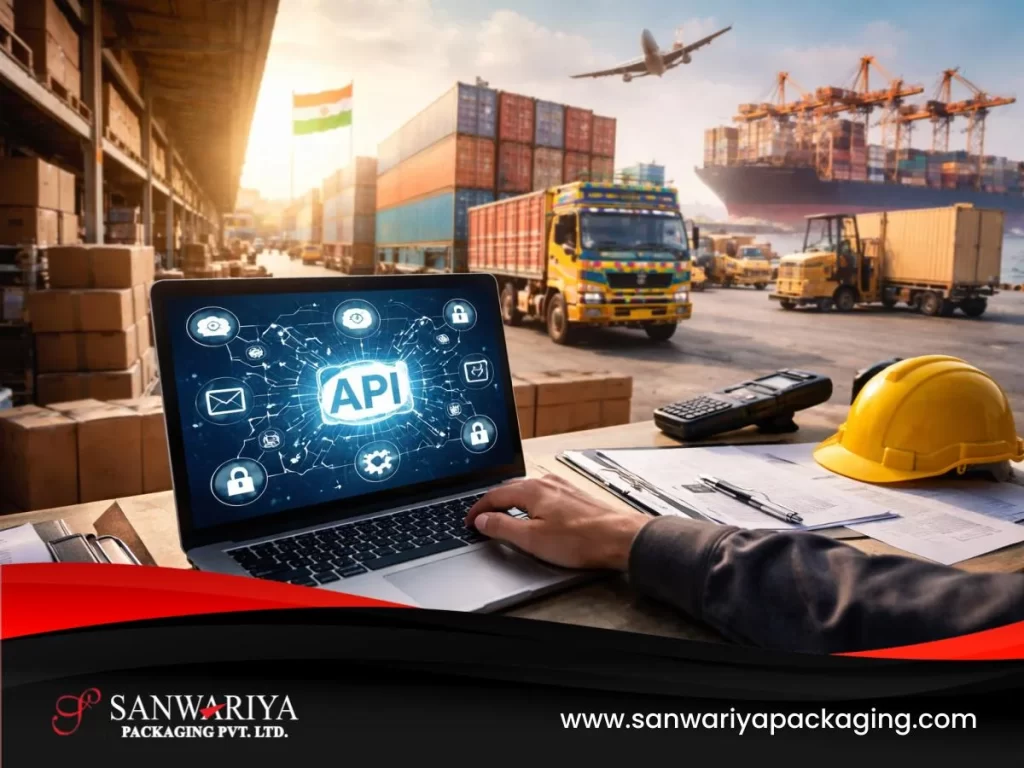
International pharmaceutical distribution often involves complex logistics routes. A single shipment may move through several countries, climate zones, and transportation modes before reaching the final destination.
Sea freight, which is commonly used for global pharmaceutical distribution, can take several weeks depending on the route. During this period, containers may experience high humidity levels, especially when traveling through tropical or coastal regions.
In addition to environmental exposure, products may also remain in temporary storage at ports, warehouses, and customs facilities. These extended holding periods increase the importance of packaging materials that can maintain strong barrier performance over time.
Understanding the complete supply chain journey helps packaging teams select materials capable of protecting pharmaceutical products during prolonged logistics timelines.
The Role of Humidity Protection
Humidity is one of the most significant environmental threats to pharmaceutical stability during long-distance transportation. Many APIs are sensitive to moisture and can undergo hydrolysis reactions when exposed to elevated humidity levels.
Even small amounts of water vapor entering blister cavities can gradually affect product stability over extended transit periods. High humidity environments combined with long shipping durations can accelerate degradation processes if packaging barriers are insufficient.
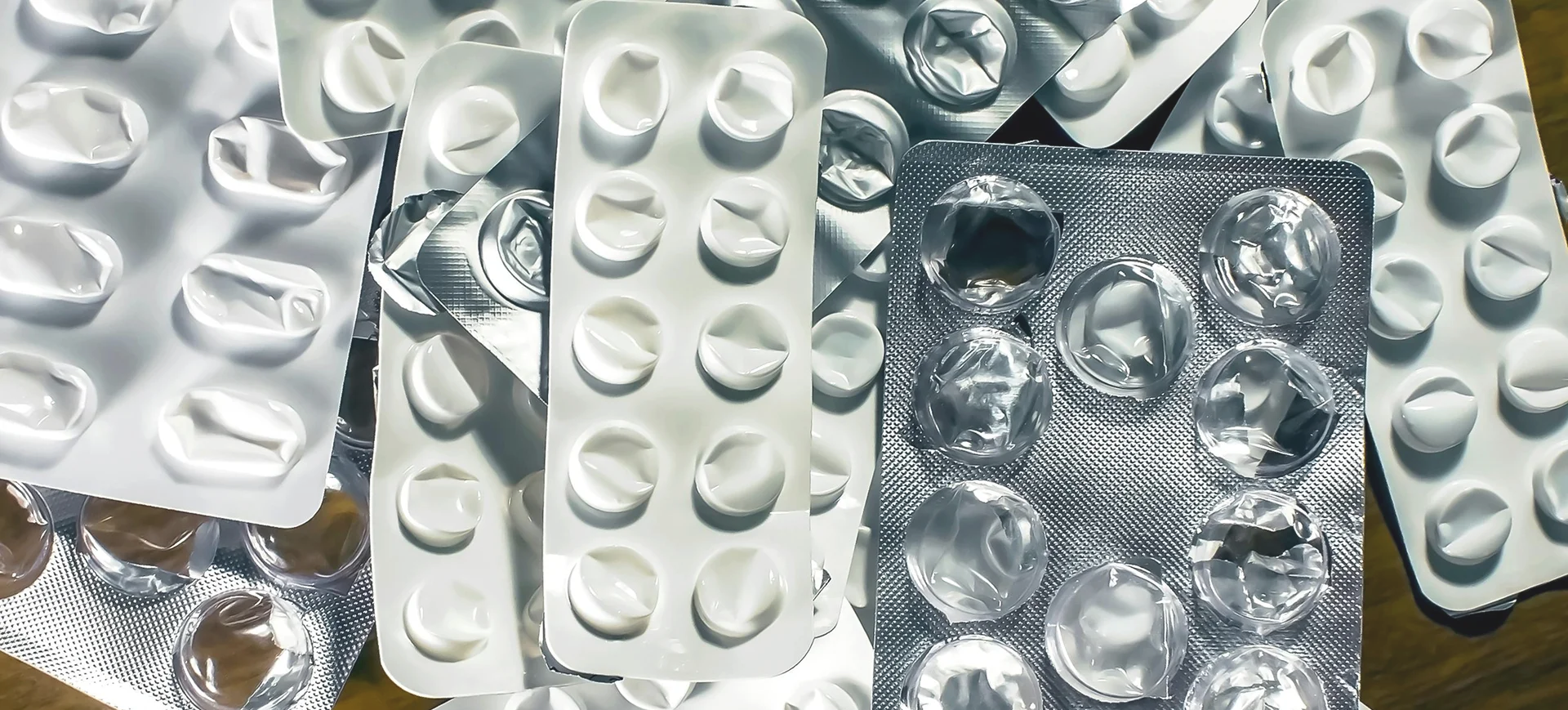
High-barrier aluminum blister foils significantly reduce moisture vapor transmission, helping protect the internal environment of each blister cavity. By maintaining a stable microenvironment around the medicine, these barrier materials play a crucial role in preserving API integrity during international shipping.
Mechanical Stress During Transportation
Pharmaceutical products encounter repeated handling throughout the supply chain. Cartons are stacked on pallets, transported by trucks, transferred between warehouses, and loaded onto ships or aircraft.
These operations introduce vibrations, compression forces, and occasional impacts that can stress packaging structures. If blister packs lack adequate mechanical strength, cavities may deform or seals may weaken, potentially allowing environmental intrusion.
Durable pharmaceutical foil structures help maintain seal integrity and cavity stability even under challenging logistics conditions. Strong blister materials reduce the likelihood of packaging damage and help ensure that each dose remains properly protected until it reaches the patient.
Selecting the Correct Barrier Structure
Packaging engineers must evaluate several factors when selecting blister foil structures for products intended for long-distance export. The sensitivity of the API, expected transit duration, and environmental conditions along the shipping route all influence packaging requirements.
Standard blister foil structures may be suitable for domestic distribution or short supply chains. However, products shipped across international routes often require enhanced barrier performance.
Aluminum-based blister foils provide excellent protection against moisture, oxygen, and light. These materials are commonly used for formulations that require high levels of environmental protection during storage and transportation.
By aligning packaging design with logistics realities, pharmaceutical companies can significantly reduce the risk of stability issues during transit.
Packaging Considerations for Export Markets
Global pharmaceutical distribution requires careful coordination between formulation scientists, packaging development teams, and supply chain specialists. Export markets may present environmental conditions that differ significantly from domestic storage environments.
Certain regions experience consistently high humidity, while others may have extreme seasonal temperatures. These environmental variations must be considered when qualifying packaging systems for international distribution.
High-barrier blister packaging helps maintain product stability despite these environmental differences. Reliable packaging solutions support consistent medicine quality regardless of how far the product must travel before reaching healthcare providers and patients.
Maintaining API Stability Across Global Supply Chains
Long-distance pharmaceutical distribution exposes medicines to humidity, temperature changes, mechanical vibration, and extended storage timelines. Effective blister packaging plays a critical role in protecting sensitive APIs from these environmental risks during international transportation.
By selecting high-barrier pharmaceutical foil structures with strong moisture protection and mechanical durability, pharmaceutical manufacturers can maintain product stability throughout complex logistics networks. Proper packaging selection helps ensure medicines retain their safety, potency, and quality from manufacturing facilities to patients worldwide.
Sanwariya Packaging manufactures pharmaceutical aluminum foils designed to provide strong moisture barriers, consistent sealing performance, and reliable mechanical stability for blister packaging applications. Through advanced manufacturing processes and strict quality controls, Sanwariya Packaging supports pharmaceutical companies in protecting API stability across long global supply chains and challenging transit environments.