Blog by Sanwariya Packaging

Your Trusted Partner in Packaging

Learn About Our Vision for the Future And Grow with Us.

Your Trusted Partner in Pharma Packaging

Learn about our vision for the future and grow with us.

Your Trusted Partner
in Pharma Packaging

Learn about our vision for the future and grow with us.

Know More

Author: Jay Wadhwani

Stricter global standards for packaging surface cleanliness

Pharmaceutical packaging is often seen as the final stage of medicine production. In reality, it plays a crucial role in protecting medicines from contamination and preserving their quality until they reach the patient.

Even when medicines are manufactured under highly controlled conditions, contamination risks can still arise if packaging materials carry dust, fibers, or microscopic particles. Because of this, regulators and pharmaceutical companies around the world are paying closer attention to pharma packaging surface cleanliness.

Over the past decade, expectations surrounding packaging hygiene, particulate control, and clean handling practices have become significantly stricter. The goal is simple: prevent contamination before it reaches the patient.

This blog explains why packaging cleanliness standards are tightening globally, the risks associated with particulate contamination, and how pharmaceutical companies are adapting their packaging practices to meet evolving Good Manufacturing Practice (GMP) expectations across modern pharmaceutical packaging materials.

Why Packaging Surface Cleanliness Matters

Packaging materials frequently come into direct contact with medicines or the environment surrounding them during packaging operations. If the surface of the packaging carries particles or residues, those contaminants can easily reach the product.

Common sources of contamination include:

  • Dust introduced during storage or transportation
  • Fibers from packaging materials or operator clothing
  • Residues from manufacturing or converting processes
  • Environmental particles present in production areas

Even extremely small particles can create problems during pharmaceutical packaging.

For example: particles may become trapped inside blister cavities, appear as visible contaminants in finished products, or interfere with sealing processes used withblister foils.

For pharmaceutical manufacturers, this creates two major concerns:

  • Product quality risks
  • Regulatory inspection observations

As a result, surface cleanliness in pharmaceutical packaging has become a critical component of contamination control strategies.

The Growing Risk of Particulate Contamination

Particles that are barely visible to the human eye can still cause significant problems in pharmaceutical packaging.

During packaging operations, loose particles may:

  • Enter blister cavities along with tablets or capsules
  • Prevent proper sealing of blister packs
  • Appear as visible foreign matter inside the package
  • Trigger product complaints or recalls

Regulatory authorities treat visible contamination very seriously. Even a single particle found during inspection or market complaints may raise questions about the effectiveness of a company’s contamination control systems.

Because of this, packaging cleanliness is no longer considered a minor operational detail. It is now an essential part of overall pharmaceutical quality management.

Why Global Regulators Are Increasing Expectations

Several industry trends are driving stricter regulatory expectations regarding packaging cleanliness.

1. Increasingly Sensitive Pharmaceutical Formulations

Modern medicines are often more complex and sensitive than traditional formulations. Some drugs can be affected by extremely small environmental contaminants.

Maintaining clean packaging surfaces helps ensure that these sensitive products remain stable and uncontaminated.

2. Expanding Global Supply Chains

Pharmaceutical packaging materials frequently travel long distances before reaching production facilities.

During transport and storage, materials may be exposed to dust, handling environments, or environmental particles. As pharmaceutical supply chains become more global, maintaining packaging cleanliness throughout the entire logistics process becomes more important.

Materials such as strip laminated foils and PVC foils must therefore be handled carefully to maintain their cleanliness during transportation and storage.

3. Preventive Quality Approaches

Regulators now emphasize preventing contamination rather than detecting it later.

Instead of relying only on inspection, companies are expected to demonstrate that their processes minimize contamination risks from the beginning. This includes how packaging materials are manufactured, stored, transported, and handled.

The Role of Cleanroom and Environmental Control Standards

Many pharmaceutical companies use internationally recognized environmental control frameworks when developing contamination control programs.

These frameworks focus on:

  • Monitoring airborne particle levels
  • Defining acceptable environmental cleanliness limits
  • Establishing controlled handling procedures
  • Implementing environmental monitoring systems

While these principles are traditionally associated with cleanrooms used in pharmaceutical manufacturing, similar concepts are increasingly applied to packaging material production and handling.

For packaging suppliers, this means demonstrating that their materials are produced and handled under conditions that minimize contamination risks within well-controlled manufacturing infrastructure.

Cleanroom-Compatible Handling for Packaging Materials

As expectations increase, many pharmaceutical companies now request packaging materials that are produced or handled in environments designed to control particulate contamination.

Cleanroom-compatible handling practices typically focus on controlling:

  • Airborne dust and environmental particles
  • Operator contact with materials
  • Contamination from surrounding manufacturing processes
  • Storage and packaging conditions during production

These controls help ensure that packaging materials arrive at pharmaceutical manufacturing sites in a clean and ready-to-use condition.

For pharmaceutical manufacturers, receiving clean packaging materials reduces the risk of contamination entering the packaging process.

Maintaining Cleanliness During Pharmaceutical Packaging Operations

Even when packaging materials arrive clean from suppliers, pharmaceutical manufacturers must maintain that cleanliness throughout their internal operations.

Production teams typically implement several procedures to prevent contamination during packaging.

Common practices include:

  • Dedicated storage areas for packaging materials
  • Protective coverings during internal transport
  • Line clearance procedures before packaging runs
  • Controlled handling by trained operators
  • Regular cleaning of packaging equipment and work areas

These procedures help maintain a controlled environment where contamination risks remain minimal.

Why Supplier Qualification Is Becoming More Important

Because many pharmaceutical packaging materials are sourced from external suppliers, pharmaceutical companies must verify that those suppliers maintain appropriate cleanliness standards.

Supplier qualification programs often review:

  • Manufacturing hygiene practices
  • Environmental control systems within production facilities
  • Material handling procedures
  • Storage and transportation methods
  • Documentation supporting traceability and cleanliness controls

This verification process helps pharmaceutical companies ensure that contamination risks are minimized before packaging materials even reach their facilities.

Strong supplier qualification programs also play an important role during regulatory inspections.

Export Markets Are Raising the Cleanliness Bar

Pharmaceutical companies supplying medicines to multiple countries must often comply with the strictest quality expectations among those markets.

Regulatory authorities may review contamination control strategies during inspections or dossier evaluations. As a result, packaging cleanliness documentation and supplier quality systems are becoming increasingly important for companies entering global markets.

Export-focused pharmaceutical manufacturers are therefore strengthening packaging hygiene standards to ensure consistent compliance across regulatory environments.

Clean Packaging Supports Patient Safety and Trust

Stricter packaging cleanliness standards ultimately support a broader objective: protecting patients and maintaining trust in pharmaceutical products.

Clean packaging surfaces help pharmaceutical companies:

  • Prevent contamination during packaging operations
  • Reduce the risk of visible particles in finished products
  • Improve batch consistency and product quality
  • Demonstrate strong contamination control during regulatory inspections
For quality assurance and compliance teams, maintaining high standards of pharma packaging surface cleanliness is now an essential part of modern pharmaceutical manufacturing.

How Sanwariya Packaging Supports Clean Pharmaceutical Packaging

Sanwariya Packaging manufactures pharmaceutical aluminum foils with strong attention to controlled production, material hygiene, and consistent quality processes. Our manufacturing practices are designed to support high standards of pharma packaging surface cleanliness, helping pharmaceutical manufacturers reduce contamination risks during packaging operations.

Through carefully controlled production environments, specialized packaging materials such as cold forming foils and hologram security foils, and strong process control, we support pharmaceutical companies in maintaining product integrity and meeting global regulatory expectations.

Companies interested in exploring suitable pharmaceutical packaging solutions can get in touch with us or directly request a quote for customized foil packaging materials.

Packaging foil for effervescent and hygroscopic drug products

Some pharmaceutical formulations are extremely sensitive to moisture. Effervescent tablets, dispersible medicines, and hygroscopic products are designed to interact with water or naturally absorb moisture from the surrounding environment. While this property is essential for how the medicine functions, it also creates a significant challenge during storage and distribution.

Even a small amount of moisture entering the package can compromise product stability long before the labeled expiry date. Tablets may soften, chemical reactions may begin prematurely, or the active ingredient may gradually degrade.

For this reason, selecting the right packaging foil for hygroscopic and moisture-sensitive medicines is not simply a packaging decision. It is a critical part of the overall stability strategy used by pharmaceutical manufacturers to ensure product safety, efficacy, and shelf-life reliability.

This blog explains why moisture protection is essential, how barrier performance is measured, and what foil structures are commonly used to protect highly sensitive pharmaceutical formulations used in modern pharmaceutical packaging solutions.

Why Effervescent Medicines Require Strong Moisture Protection

Effervescent tablets are specifically designed to dissolve rapidly when placed in water. This reaction occurs because the formulation typically contains ingredients such as acids and carbonates that react in the presence of moisture, producing carbon dioxide and enabling quick dissolution.

While this reaction improves patient convenience and drug absorption, it also creates a challenge during storage. If moisture enters the package prematurely, the same reaction designed for patient use can begin inside the blister cavity.

Possible consequences include:

  • Tablets swelling or cracking
  • Loss of mechanical strength
  • Reduced dissolution performance
  • Degradation of the active pharmaceutical ingredient
  • Visible changes in texture or appearance

Once this reaction begins, it cannot be reversed. Even minimal moisture exposure can compromise the medicine, making reliable packaging protection essential when selecting high-quality blister foils.

Hygroscopic Medicines: Constant Exposure to Humidity

Hygroscopic medicines behave slightly differently from effervescent formulations. Instead of reacting immediately with water, they gradually absorb moisture from the surrounding air.

This process can lead to several stability issues over time:

  • Tablets becoming soft or sticky
  • Powders forming lumps or aggregates
  • Changes in tablet weight due to moisture absorption
  • Reduced stability of moisture-sensitive active ingredients

These problems become even more pronounced in regions with high humidity. In tropical climates, where environmental moisture levels remain consistently elevated, packaging must provide stronger protection to maintain product integrity throughout its shelf life.

For pharmaceutical companies distributing medicines globally, packaging must perform reliably across different climates, transportation conditions, and storage environments.

Understanding WVTR and Why It Matters

To determine how effectively a packaging material protects against moisture, scientists measure a parameter called the Water Vapor Transmission Rate (WVTR).

WVTR measures the amount of water vapor that can pass through a packaging material over a specific period of time. Lower WVTR values indicate stronger resistance to moisture penetration.

“WVTR = mass of water vapor transmitted / (area × time)”

For highly moisture-sensitive medicines, even small differences in WVTR can significantly affect long-term stability. A packaging structure with slightly higher moisture permeability may allow gradual vapor ingress over months of storage.

Pharmaceutical packaging teams therefore evaluate WVTR data carefully when selecting blister materials. Stability studies are typically conducted to confirm that the chosen packaging maintains product quality throughout the intended shelf life.

Why Standard Blister Packaging May Not Be Enough

Standard blister packaging materials work well for many pharmaceutical products. However, for medicines that are extremely sensitive to moisture, these materials may not always provide sufficient protection.

Potential limitations include:

  • Gradual moisture penetration during long storage periods
  • Reduced protection in humid environments
  • Increased stability risks during long distribution routes

These risks are particularly relevant when products travel through extended supply chains or remain in storage for months before reaching patients.

For effervescent and hygroscopic formulations, packaging developers often prefer higher-barrier structures that significantly reduce the risk of moisture ingress using specialized pharmaceutical blister foils.

Foil Structures Commonly Used for Moisture-Sensitive Medicines

1. Aluminum–Aluminum Blister Systems

Aluminum-aluminum (Alu-Alu) blister packs use aluminum foil for both the forming layer and the lidding foil. Aluminum acts as an almost complete barrier against moisture, oxygen, and light.

Because of this property, Alu-Alu blisters are widely used for highly sensitive pharmaceutical formulations that require maximum protection.

These systems are typically manufactured using cold forming foils, which create the deep blister cavities while preserving the aluminum barrier structure.

2. Cold-Form Blister Foil

Cold-form blister packaging is produced without applying heat during the cavity-forming process. This preserves the integrity of the aluminum barrier and provides excellent protection against environmental exposure.

Cold-form blisters are often selected for medicines that must maintain strict stability profiles. High-barrier cold forming aluminum foils are commonly used for such applications.

3. High-Barrier Laminated Foils

In some cases, laminated foil structures combine aluminum with additional layers that enhance mechanical strength, sealing performance, and process efficiency during blister packaging operations.

These multilayer structures help balance barrier performance with manufacturing reliability. Pharmaceutical companies often evaluate strip laminated foils and advanced multi-layer foils when developing high-barrier packaging solutions.

In specialized applications, materials such as glassine foils may also be evaluated depending on packaging design and product requirements.

The final selection typically depends on several factors, including product sensitivity, shelf-life requirements, regulatory expectations, and distribution conditions.

Common Packaging Failures With Moisture-Sensitive Medicines

Even when a medicine is well formulated, packaging failures can still compromise stability if the packaging system is not properly designed.

Some common issues include:

1. Insufficient Moisture Barrier

Using materials with higher WVTR than required can allow gradual moisture penetration over time, particularly in humid environments.

2. Poor Seal Integrity

Inconsistent sealing during blister packaging can create microscopic channels where moisture may enter the package.

3. Variations in Foil Quality

Differences in foil thickness, coating quality, or lamination consistency may reduce the barrier performance across production batches.

4. Environmental Exposure During Distribution

High humidity levels during transportation or storage can place additional stress on the packaging system, especially during long shipping routes.

These issues may eventually lead to product complaints, stability failures, or regulatory concerns.

The Importance of Supplier Quality in Foil Selection

Selecting the right foil structure is only part of ensuring packaging reliability. The manufacturing consistency of the foil supplier is equally important.

Pharmaceutical companies typically expect packaging suppliers to provide:

  • Consistent barrier performance across batches
  • Reliable technical specifications
  • Traceability and quality documentation
  • Manufacturing systems aligned with pharmaceutical standards

Consistent material quality ensures that packaging performs the same way across every production cycle, which is critical for regulatory compliance and product stability. Advanced manufacturing capabilities and process control systems such as those used in modern pharmaceutical packaging infrastructure help ensure consistent foil quality.

Export Considerations for Humid Markets

Moisture protection becomes even more important when medicines are exported to humid regions around the world.

Countries located in tropical and coastal environments often experience high humidity levels throughout the year. During long shipping routes, medicines may also pass through multiple climate conditions before reaching the final market.

Packaging with strong moisture barriers helps pharmaceutical companies maintain product stability throughout these distribution journeys while reducing the risk of stability deviations after arrival.

Packaging as a Stability Strategy

Effervescent and hygroscopic medicines illustrate a fundamental principle in pharmaceutical product development: packaging must be designed with stability in mind.

Choosing the right moisture-barrier foil for pharmaceutical packaging allows companies to:

  • Protect sensitive formulations from environmental moisture
  • Maintain product performance throughout the labeled shelf life
  • Reduce the risk of stability failures
  • Support regulatory compliance across multiple markets

When packaging design is aligned with formulation sensitivity, pharmaceutical companies can ensure that medicines remain safe, effective, and reliable for patients worldwide.

How Sanwariya Packaging Supports Moisture-Sensitive Medicines

Sanwariya Packaging develops pharmaceutical aluminum foils designed to meet the demanding stability requirements of moisture-sensitive medicines. With high-barrier foil structures, consistent material quality, and strong process control supported by advanced manufacturing infrastructure, the company supports pharmaceutical manufacturers in protecting sensitive formulations throughout storage and global distribution.

Companies evaluating packaging materials can explore the complete range of pharmaceutical foil products or directly request a quote for customized packaging solutions.

Common pharma packaging pitfalls during Russian and CIS audits

Pharmaceutical exports to Russia and CIS countries operate under highly verification-driven regulatory systems. While product quality and manufacturing compliance remain essential, packaging control—especially for primary packaging such as pharmaceutical aluminum foil — often becomes the deciding factor during inspections.

Many exporters assume that approvals from the EU or the US will be sufficient. In practice, Russian and CIS auditors focus far less on intent and far more on objective evidence. Inspectors expect clearly approved documents, consistent execution, and full traceability across the packaging lifecycle.

For companies targeting Russia, the Commonwealth of Independent States and Eurasian Economic Union (EAEU) markets, packaging must be treated as a regulated system—not a supporting activity.

This article explains the most common packaging-related audit failures, what CIS auditors truly verify, and how exporters can build packaging readiness that supports faster approvals and uninterrupted exports.

How Russian and CIS audits differ from other regulated markets

Audits in Russia and CIS countries follow a strict verification approach. Inspectors rarely accept explanations without documentary support.

In practice, auditors place strong emphasis on:

  • Written, approved procedures and records
  • Detailed traceability of primary packaging materials
  • Formal supplier qualification and monitoring
  • Consistency between documentation and real operations

If a process is not documented, approved and followed exactly, auditors may treat it as if it does not exist.

This creates a different operating environment for exporters. Packaging, quality, regulatory and supply chain teams must operate in alignment, with shared ownership of packaging compliance.

Packaging documentation: the most common weakness

Incomplete or fragmented packaging documentation is one of the most frequent sources of audit observations in Russian and CIS inspections.

Auditors typically expect companies to demonstrate:

  • Approved packaging specifications for every product and presentation
  • Clear identification of foil structure and packaging configuration for each SKU
  • Justification linking packaging choice to stability and shelf life
  • Controlled change records for any modification in foil, printing or suppliers

A recurring problem is departmental silos. When quality, procurement, production and artwork teams maintain separate records, inconsistencies appear. During audits, mismatched data—such as foil thickness, supplier name or structure type—immediately raises concerns about system control and data reliability.

Foil traceability is non-negotiable

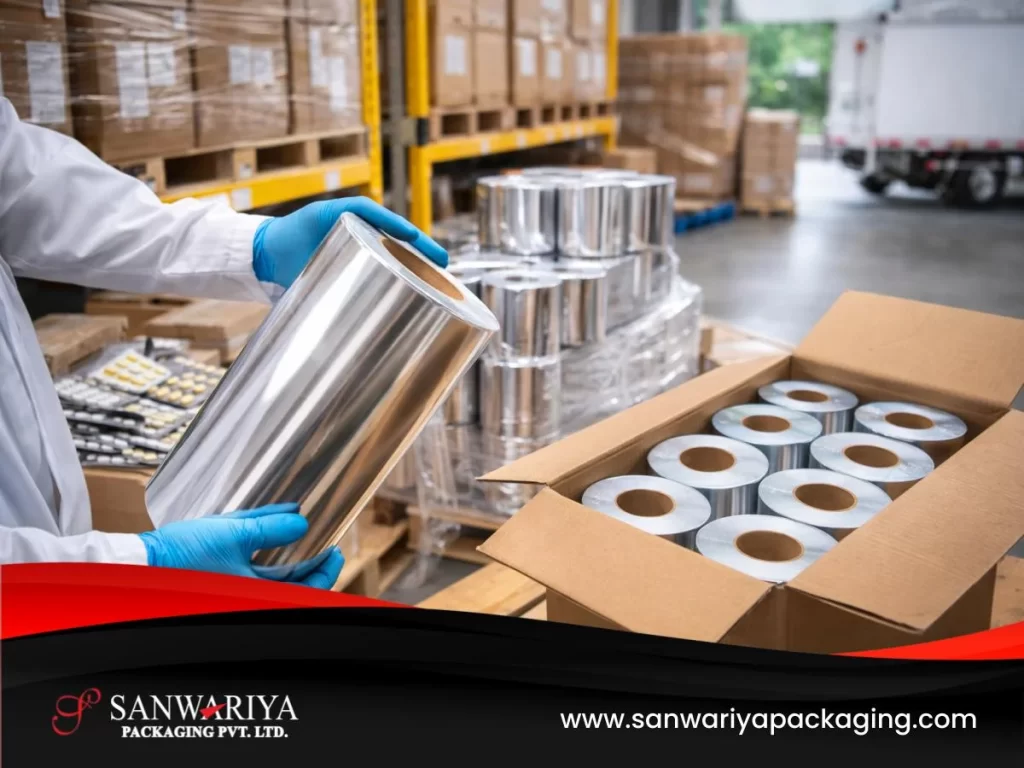
In Russian and CIS audits, aluminum foil used for blister packaging and strip packaging is treated as a critical primary packaging component.

Inspectors routinely verify:

  • Approved foil supplier and qualification status
  • Batch-level traceability from incoming foil rolls to finished packs
  • Certificates confirming material quality and suitability
  • Matching records across warehouse, production and quality systems

Exporters must be able to show exactly which foil batch was used in which production batch and how that material was approved.

If traceability is incomplete, auditors may question packaging integrity, shelf-life reliability and patient safety—even when the medicinal product itself meets all quality requirements.

Stability and foil selection are closely linked

Russian and CIS regulators increasingly review how packaging material selection supports product stability, particularly for moisture-sensitive and oxygen-sensitive formulations.

During audits, inspectors may request:

  • Justification for the selected multi-layer foil structure
  • Evidence that the barrier performance supports the approved shelf life
  • Stability studies reflecting the final market packaging configuration
  • Impact assessments for any change in packaging material

When stability data exists but is not clearly linked to the packaging structure in use, companies struggle to demonstrate that shelf-life claims remain valid for exported packs.

For high-barrier requirements, inspectors frequently expect technical justification for the use of cold forming foils where applicable.

Supplier control: reputation is not enough

Another frequent audit gap is weak supplier governance.

Russian and CIS inspectors do not rely on global reputation or third-party certifications alone. The responsibility for supplier control must clearly sit with the pharmaceutical company.

Auditors typically expect:

  • Formal supplier qualification or audit reports
  • Approved quality agreements
  • Defined change notification and approval procedures
  • Ongoing supplier performance monitoring

Companies that rely only on supplier certificates without internal evaluation often receive audit remarks. In CIS audits, supplier oversight is considered part of the company’s own pharmaceutical quality system.

For auditors, the ability of packaging partners to demonstrate validated production and control capabilities—such as documented infrastructure and controlled operations outlined in the manufacturing infrastructure — is also closely reviewed.

Packaging design and labeling: small errors, major impact

Artwork and labeling controls are reviewed in detail during CIS inspections.

Auditors verify:

  • Accuracy and regulatory compliance of labeling information
  • Correct language use where required
  • Consistency between approved artwork and released production files
  • Proper display of batch numbers, expiry dates and regulatory details

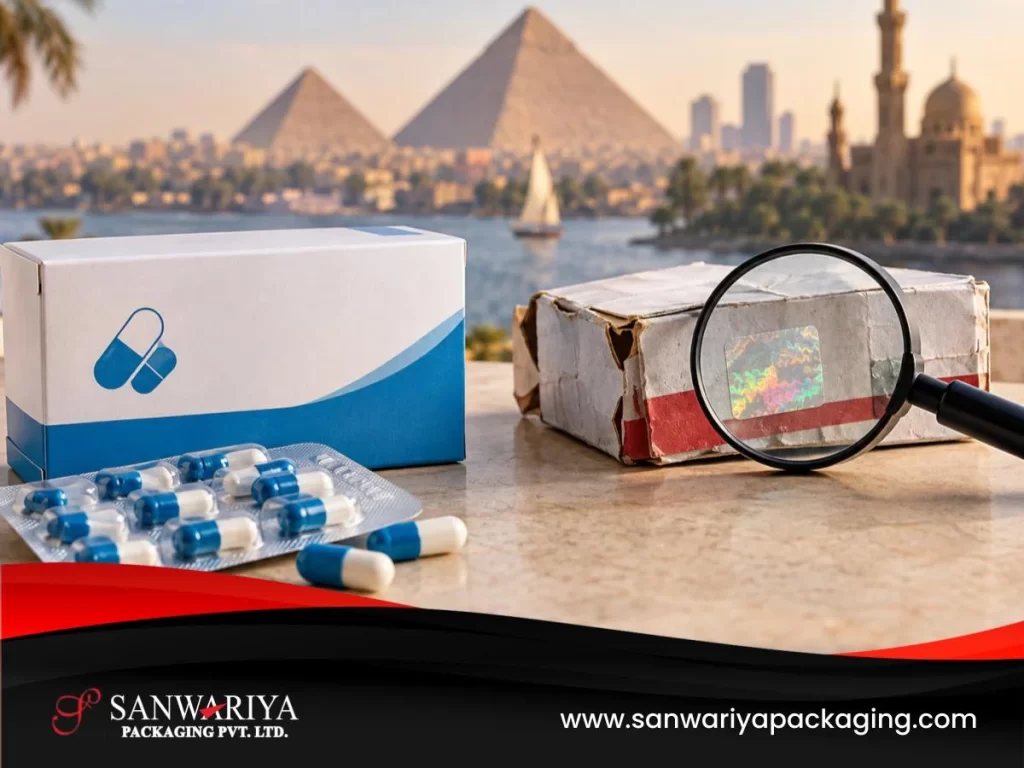
For products that require brand protection and traceability features, inspectors may also review the use of hologram security foils as part of packaging control and anti-counterfeiting strategies.

Even minor inconsistencies can trigger relabeling requests, shipment holds or delayed market release. For exporters, packaging artwork control is not a marketing activity—it is a regulated process directly linked to product approval and distribution.

The real business cost of packaging audit failures

Packaging-related findings rarely remain limited to documentation corrections. They frequently lead to:

  • Shipment delays and customs holds
  • Follow-up inspections or re-audits
  • Increased regulatory scrutiny for future submissions
  • Reduced confidence from local distributors and partners

From a business perspective, weak packaging readiness directly affects:

  • Time-to-market for new products
  • Revenue continuity in CIS regions
  • Contract performance with commercial partners
  • Long-term brand credibility in regulated export markets
For companies expanding into Russia and CIS countries, packaging failures represent a strategic risk rather than an operational inconvenience.

How successful exporters prepare for CIS packaging audits

Companies that perform consistently well in Russian and CIS audits treat packaging as a fully controlled and auditable system.

Effective practices include:

  • Clear ownership of packaging material and artwork decisions
  • Unified documentation accessible to QA, regulatory and supply chain teams
  • End-to-end foil traceability from supplier to finished product
  • Routine internal audits focused specifically on export market expectations
  • Working with packaging partners familiar with CIS regulatory and inspection behaviour and offering a full portfolio of regulated solutions such as PVC foils and glassine-based pharmaceutical foils where applicable
This approach significantly reduces last-minute corrections and allows teams to respond confidently during inspections.

A practical readiness checklist

Before entering a Russian or CIS audit, exporters should be able to answer the following without hesitation:

  • Are all packaging specifications approved, current and aligned?
  • Can every foil batch be traced to finished product batches and shipments?
  • Is stability data clearly linked to the packaging configuration in use?
  • Are all foil suppliers formally qualified and actively monitored?
  • Are artwork files, approvals and released versions fully controlled?

If any of these rely on manual reconciliation or informal practices, audit risk increases.

Packaging readiness is a strategic advantage

In Russian and CIS markets, audit readiness demonstrates operational maturity and long-term commitment to regulatory expectations.

Companies with strong packaging systems benefit from:

  • Faster approvals and fewer market entry delays
  • Reduced shipment interruptions
  • Stronger trust from regulators and partners
  • Lower long-term compliance and remediation costs

By strengthening documentation, traceability and supplier governance, pharmaceutical exporters can convert audits from a barrier into a competitive advantage.

At Sanwariya Packaging, we support pharmaceutical companies with packaging solutions designed around audit readiness—helping ensure stability performance, traceability and regulatory compliance for highly regulated export markets, including Russia and the CIS region.For technical discussions or project enquiries, teams can use the Get in touch with us page or directly request a quote.

Choosing optimal foil for high-sensitivity pharmaceutical products

High-sensitivity pharmaceutical formulations require more than standard packaging protection. Even very small exposure to moisture, oxygen or light can directly affect product stability, shelf life and regulatory acceptance.

In real manufacturing and distribution environments, issues such as unexpected degradation, impurity growth, stability failures or reduced shelf life are frequently traced back to one root cause: inadequate barrier performance of the pharmaceutical packaging material.

This is where high barrier pharma foil becomes a critical packaging decision.

This blog explains, in practical terms, how sensitive formulations should be matched with the right foil structure, how packaging influences stability risk, and how pharmaceutical teams can select high-barrier foils with confidence for regulated and export markets.

What makes a formulation highly sensitive

A formulation is considered high-sensitivity when very small environmental exposure can trigger measurable quality changes.

Typical examples include:

1. Moisture-sensitive formulations

Hygroscopic APIs, effervescent tablets, dispersible tablets and low-dose products. Even brief humidity exposure can cause softening, dissolution failures or hydrolytic degradation, making the use of blister foils and strip laminated foils critical for moisture protection.

2. Light-sensitive formulations

Photo-unstable APIs, hormonal products and certain antibiotics, where light exposure can reduce potency before expiry, often requiring cold forming foils and specialised multi-layer foils for complete light barrier.

3. Oxygen-sensitive formulations

APIs prone to oxidation, leading to impurity growth, colour changes and assay drift, where high-integrity pharmaceutical packaging becomes essential.

4. Low-dose and high-potency formulations

Minor degradation becomes critical for content uniformity and regulatory compliance, making advanced multi-layer foils an important protective option.

For these products, packaging is not passive. It directly controls the stability risk profile.

Why high barrier pharma foil becomes necessary

Standard foil structures provide general protection. However, for sensitive products, moderate barrier performance is often insufficient over long storage periods and international distribution of finished medicines packed using pharmaceutical products.

High barrier pharma foil is designed to provide:

  • very low moisture transmission
  • complete light protection
  • very low oxygen permeation
  • consistent barrier performance throughout shelf life

In practical terms, the aluminium layer delivers the primary barrier, while coating and seal layers protect the aluminium and maintain barrier integrity during forming, sealing and handling in modern pharmaceutical packaging operations.

Stability risks that packaging must control

For sensitive formulations, the main environmental risks are:

  • moisture ingress
  • light exposure
  • oxygen permeation
  • long storage and transit cycles
These risks increase significantly in Climatic Zones III and IV, where high humidity and temperature exposure are common. In such markets, selecting high-barrier packaging formats such as cold forming foils is a preventive stability measure.

How foil structure determines real barrier performance

Pharmaceutical foil is a multi-layer structure. Each layer plays a defined functional role.

A typical high-barrier foil structure includes:

  • aluminium foil as the primary barrier
  • protective coatings or lacquers
  • functional sealant layers

A well-engineered structure slows moisture and gas migration at multiple interfaces. A weak or incompatible structure allows penetration pathways to form, even when aluminium thickness appears adequate, which is why engineered multi-layer foils are widely used for sensitive medicines.

Key insight:
Two foils with similar thickness can show very different barrier performance because protection depends on structural integrity, not thickness alone.

How individual foil layers support sensitive drug protection

  • Aluminium layer – the primary barrier: Provides moisture, oxygen and light protection. Pinhole control and thickness consistency are critical for long-term stability in formats such as blister foils and strip laminated foils.
  • Coatings and lacquers – barrier durability: Protect aluminium during forming and handling, reduce micro-crack formation and support durability under prolonged humidity exposure, especially in complex pharmaceutical packaging applications.
  • Sealant layers – the most frequent weak point: Create the final protective seal and directly influence moisture ingress at the seal interface. Many real-world failures originate at the seal area rather than through the aluminium itself.

Standard foil versus high-barrier foil

AspectStandard foil structureHigh-barrier foil structure
Moisture resistanceModerateVery high
Long-term stabilityLimited in humid conditionsConsistent across climates
Suitability for exportsShort or controlled routesLong and high-risk distribution routes
Regulatory confidenceConditionalStrong and data-driven

High-barrier structures are designed to perform reliably under sustained environmental stress, not only during short laboratory testing periods.

When high-barrier foil becomes essential

High-barrier pharmaceutical foils become necessary when:

  • the formulation is moisture- or light-sensitive
  • shelf life exceeds 24 months
  • distribution includes Climatic Zones III and IV
  • long transit, port storage or uncontrolled warehousing is expected
In many export markets across Asia, Africa and Latin America, standard foil structures may pass early stability studies but fail under real storage conditions when using conventional PVC foils without enhanced barrier layers.

What quality and regulatory teams expect

Barrier performance must be demonstrated and documented.

For sensitive formulations, packaging qualification typically includes:

  • validated moisture and oxygen transmission testing
  • stability studies aligned with the intended climatic zones
  • seal integrity and ageing evaluations
This data supports packaging approval during registration, export readiness and shelf-life commitments.

Common real-world failures linked to incorrect foil selection

Across domestic and export markets, similar patterns are repeatedly observed:

  • stability passes initially but fails after prolonged humid storage
  • tablets soften, stick or discolour before expiry
  • market complaints occur despite compliant formulations
  • costly revalidation follows post-approval packaging changes
In most cases, the root cause is not formulation design, but barrier performance that was underestimated during foil selection of inappropriate pharmaceutical products.

A practical selection checklist for sensitive formulations

Before finalising a foil grade, confirm:

  • the formulation’s sensitivity to moisture, light and oxygen
  • the climatic zones the product will encounter
  • the full storage and transit duration
  • seal layer compatibility with the forming material
  • availability of validated barrier and stability data

Selecting high barrier pharma foil should be treated as a preventive quality decision, not a corrective action.

For high-sensitivity medicines, packaging performance directly defines product stability.

High-barrier pharmaceutical foil plays a decisive role in:

  • moisture and light protection
  • shelf-life reliability
  • export success
  • regulatory confidence

At Sanwariya Packaging, high-barrier pharmaceutical aluminium foils are developed as stability-driven and compliance-ready solutions for moisture- and light-sensitive medicines—supporting pharmaceutical manufacturers in protecting product quality throughout the entire lifecycle.

Importance of foil coatings in hot and humid climates

Moisture is invisible, but in pharmaceutical packaging, it is one of the most frequent root causes of product instability, shelf-life reduction, and post-approval failures. Issues such as tablets softening, capsules losing potency, coating degradation, or unexpected stability failures are often traced back to one critical factor: inadequate moisture protection from the packaging system.

This is where the Moisture Transmission Rate (MTVR) becomes decisive. Understanding how foil structure directly influences MTVR enables pharmaceutical companies to make informed, preventive pharmaceutical packaging decisions—particularly for moisture-sensitive formulations and products distributed across high-humidity or long-transit markets.

This article explains MTVR in clear, practical terms, connects barrier science to real-world pharmaceutical risk, and shows how selecting the right foil structure protects product quality, regulatory compliance, and patient safety.

What Is the Moisture Transmission Rate (MTVR)?

Moisture Transmission Rate (MTVR) measures the amount of water vapor that can pass through a packaging material over a defined area and time under controlled conditions.

In practical pharmaceutical terms:

  • Low MTVR = strong moisture barrier and higher product protection
  • High MTVR = increased risk of moisture ingress and product degradation

Even minimal moisture exposure can:

  • Reduce shelf life
  • Alter drug performance
  • Trigger stability failures during storage or transport
For moisture-sensitive products, MTVR is not a secondary specification—it is a critical quality attribute influencing approval, performance, and market reliability.

Why Foil Structure Directly Determines MTVR Performance

Pharmaceutical foil is not a single material layer. Its structure—how multiple layers work together—defines overall moisture resistance.

A typical pharmaceutical foil structure—such as blister foils,cold forming foils, or strip laminated foils—may include:

  • Aluminum foil (primary moisture barrier)
  • Protective coatings or lacquers
  • Heat-seal layers
  • Optional polymer films in multi-layer foil or specialty structures

Each layer performs a distinct function. A well-engineered structure slows moisture migration at multiple points, while a weak or incompatible structure allows vapor to penetrate—even when aluminum thickness appears adequate.

Key insight:
Two foils with similar thickness can show vastly different MTVR values because barrier performance depends on structure integrity, not thickness alone.

How Individual Foil Layers Influence Moisture Protection

1. Aluminum Layer — The Primary Barrier

  • Acts as the main moisture and oxygen barrier
  • Defect-free aluminum significantly reduces vapor transmission
  • Thickness consistency and pinhole control are critical
While aluminum provides the core barrier, it cannot perform alone.

2. Coatings & Lacquers — Barrier Stability and Durability

  • Protect aluminum from mechanical and chemical stress
  • Reduce micro-crack formation during forming and handling
  • Improve resistance to long-term humidity exposure
Poor or incompatible coatings can compromise barrier performance even when aluminum quality is high.

3. Sealant Layers — The Most Common Failure Point

Enable airtight sealing between foil and blister material

  • Directly affect moisture ingress at seal areas
  • Must be compatible with forming films and sealing parameters
Fact:
Many moisture-related failures occur not because the aluminum layer failed, but because the seal layer allowed moisture pathways to form.

Standard Foil vs High-Barrier Foil: Why Structure Matters

AspectStandard Foil StructureHigh-Barrier Foil Structure
Moisture ResistanceModerateVery high
Long-Term StabilityLimited in humid zonesConsistent across climates
Suitability for ExportsShort or controlled routesLong-distance, high-risk markets
Regulatory ConfidenceConditionalStrong, data-backed

High-barrier structures are engineered to perform reliably under sustained humidity stress—not just initial testing conditions.

When High-Barrier Foil Structures Become Mandatory

High-barrier pharmaceutical foils—such as cold forming foils and advanced multi-layer foils—are essential when:

  • The formulation is moisture-sensitive
  • Shelf life exceeds 24 months
  • Distribution includes Climatic Zones III & IV
  • Products face long transit, port storage, or uncontrolled warehousing

Markets across Asia, Africa, Latin America, and coastal regions routinely expose pharmaceutical products to prolonged high humidity. In these environments, standard foil structures may pass early stability studies yet fail during real-world storage.

MTVR Testing and Evaluation: What Regulators Expect

MTVR performance cannot be assumed—it must be measured, validated, and documented.

Key evaluation approaches include:

  • Moisture transmission testing under controlled laboratory conditions
  • Stability studies aligned with climatic zone requirements
  • Seal integrity and aging assessments

Regulatory and quality teams rely on this data to:

  • Approve packaging during product registration
  • Justify export-readiness claims
  • Support long-term stability commitments
Without validated MTVR performance, packaging approval and lifecycle management become uncertain.

Common Real-World Failures Linked to Poor MTVR Selection

Across domestic and export markets—supported by advanced manufacturing and quality controls at our infrastructure facilities—the same patterns repeatedly emerge:

  • Stability passes initially but fails after months in humid storage
  • Tablets stick, soften, or discolor before expiry
  • Market complaints arise despite compliant formulations
  • Costly revalidation triggered by post-approval packaging changes
In most cases, the root cause is not formulation weakness—but foil structure mismatched to environmental exposure.

Choosing the Right Foil Structure

Instead of asking “Is this foil thick enough?”, pharmaceutical teams should ask:

  • How moisture-sensitive is the formulation?
  • Which climatic zones will the product encounter?
  • What is the total storage and transit duration?
  • Is the seal layer compatible with the blister material?
  • Does the supplier provide validated MTVR and stability data?

Selecting the correct foil structure is a preventive quality decision, not a corrective one.

Business and Compliance Impact of Correct MTVR Selection

Choosing the right foil structure delivers measurable value:

  • Fewer stability failures and deviations
  • Faster regulatory approvals
  • Reduced recall and rejection risk
  • Lower long-term costs compared to revalidation
  • Stronger patient trust and brand credibility
Underestimating MTVR often results in hidden costs that far exceed the initial savings from lower-grade packaging.

Key Takeaway

MTVR is not merely a laboratory value—it reflects how effectively a pharmaceutical product is protected throughout its entire lifecycle.

Foil structure directly influences:

  • Moisture resistance
  • Shelf-life reliability
  • Export success
  • Regulatory confidence

Understanding and selecting the right barrier structure ensures medicines remain safe, effective, and compliant—regardless of where they are manufactured, stored, or distributed.

At Sanwariya Packaging, barrier performance is approached as a stability and compliance solution, not just a material specification. Because in pharmaceutical packaging, what cannot be seen—like moisture—often matters the most. For technical discussions or project requirements, teams may get in touch or request a quote.

How foil structure affects moisture transmission in pharma packaging

Hot and humid climates accelerate the chemical and physical degradation of medicines, making packaging integrity a decisive factor in product stability. For exporters supplying Asia, Africa, LATAM, and the Middle East, moisture control is not optional—it is a regulatory expectation and a commercial priority.

Foil barrier coatings strengthen the protective performance of blister and strip packs by preventing moisture ingress, ensuring potency retention, and reducing the risk of supply-chain failures.

1. Understanding Tropical Zones: Why the Risk Is Higher

Climatic Zones III & IV—defined by global regulatory bodies—represent regions with extreme heat and humidity:

  • Zone III: Hot & Dry
  • Zone IVa: Hot & Humid
  • Zone IVb: Very Hot & Very Humid (e.g., India, Brazil, Indonesia, Malaysia)

These markets experience:

  • Prolonged exposure to 75–90% RH
  • Rapid temperature swings during inland transport
  • Long ocean routes with fluctuating humidity
  • Customs-related storage delays without controlled conditions
The result:
Standard packaging alone often fails to maintain product stability under real-world shipping and storage environments. This is why suppliers increasingly select barrier-coated blister and strip solutions designed for tropical-zone climates.

2. Why Barrier Coatings Are a Game-Changer in Humid Markets

While aluminum foil is inherently protective, modern barrier coatings meaningfully elevate performance. They reinforce the foil against threats that intensify in tropical zones:

  • Moisture ingress (primary cause of tablet softening and potency loss)
  • Oxygen permeation
  • Heat-induced deformation
  • Abrasion during multi-stop export routes

Studies across high-humidity markets show that barrier-enhanced foils can extend stability by 3–6 months, especially in moisture-sensitive categories such as anti-infectives, analgesics, antihistamines, and chronic therapies.

When stability zones demand higher protection, upgraded coating systems become the difference between a compliant product and a rejected batch.

3. Key Barrier Coating Types That Matter in Tropical Regions

Choosing the right coating is essential for consistent protection across varied climatic conditions.

a. Heat-Seal Coatings

These ensure durable adhesion between the foil and forming material, preventing micro-leaks—a major concern during hot-weather transit.

Exporters frequently pair these with high-performance blister foil systems to maintain seal integrity under stress.

b. Moisture-Barrier Coatings

Designed specifically to slow down moisture transmission, these coatings are vital for Zone IVb shipments. Many companies adopt multi-layer, high-barrier constructions available within advanced pharma packaging solutions to safeguard against humidity spikes. (Exploremulti-layer and high-barrier foils)

c. Primer & Protective Coatings

These stabilize printed surfaces and prevent scuffing, smudging, or ink disturbance caused by heat and handling. They are commonly used in printed aluminum foil solutions for high-clarity branding and regulatory text retention. 

d. High-Stress Export Coatings

Ideal for long-distance routes—India to Africa, Europe to LATAM, or Southeast Asia to the Gulf—where temperature and humidity vary dramatically. These coatings ensure the foil withstands mechanical stresses across multiple transit stages. (Learn about advanced infrastructure)

 4. A Practical Framework for Selecting the Correct Barrier Grade

Pharma teams can follow a structured approach while planning tropical-zone shipments:

Step 1 — Analyse the Drug Profile

  • Does it absorb moisture quickly?
  • Any known oxidation or stability issues?
  • Has the formulation shown failure trends in tropical studies?

Step 2 — Map the Destination Route

  • India → Africa: Sustained humidity, poor inland storage
  • Europe → LATAM: Mixed temperature patterns plus longer ocean exposure
  • SEA → Middle East: Continuous high heat, 35–45°C common in transit

Step 3 — Align With Regulatory Expectations

Authorities such as ANVISA, NPRA, SAHPRA, INVIMA, and GCC agencies require pharmaceutical packaging to remain stable under the target climate zone. Barrier-coated foils must therefore be validated accordingly.

Step 4 — Evaluate Logistics Realities

  • Warehouses without temperature control
  • Extended port holds
  • Multiple third-party distributors
  • Long last-mile routes in remote markets

Step 5 — Validate Early in Development

Performing stability checks with the intended barrier grade in early development helps avoid redesigns, delays, and requalification. Many pharma teams explore a supplier’s pharmaceutical products range during this stage to select fit-for-purpose foil systems.

5. When Barrier Strength Is Insufficient: What Can Go Wrong

Insufficient barrier protection in tropical markets often leads to:

  • Tablet softening, swelling, and discoloration
  • Loss of potency before labelled expiry
  • Foil delamination driven by moisture exposure
  • Regulatory non-compliance
  • Field complaints and distributor rejections
  • Shipment holdbacks or complete consignment loss
The cost of a rejected export batch—especially in LATAM or Africa—far exceeds the incremental investment in high-performance barrier foils.
(Reviewcold-form foil options)

6. ROI: Why Upgrading Barrier Coatings Strengthens Commercial Outcomes

Companies exporting into tropical markets report measurable gains when shifting from standard foil to high-barrier coated foil:

  • Lower stability failures in Zone IVb studies
  • Reduced product returns and fewer temperature-excursion complaints
  • Faster regulatory acceptance due to stronger shelf-life performance
  • Greater distributor confidence in challenging climates
  • Improved brand reliability across competitive markets

The operational ROI becomes clear when even one potential failure or rejection is avoided.  (See strip-laminated solutions)

7. The Direction Ahead: Climate-Resilient Pharmaceutical Packaging

Global exporters are moving from minimum compliance to climate-resilient packaging strategies, supported by:

  • Next-generation barrier chemistries designed for tropical-zone conditions
  • Eco-friendly, migration-safe coating technologies
  • Stronger seal-coat combinations that reduce micro-leak risk
  • Larger adoption of data-supported packaging validation
  • Collaborative development between formulation, QA, and foil suppliers
This evolution signals a long-term shift toward more reliable, humidity-resistant pharmaceutical packaging systems. (Explore hologram and security foils)

How Sanwariya Packaging Supports Pharma Companies in Tropical Markets

Pharma exporters supplying to hot, humid, and mixed-climate destinations rely on packaging that maintains stability throughout complex logistics. Sanwariya Packaging supports this need through:

  • High-barrier blister and strip foils engineered for Zone IVa and IVb conditions
  • Advanced moisture-barrier and seal-coat systems for reliable humidity protection
  • Regulatory-aligned foil structures suitable for major agencies across LATAM, Africa, and ASEAN
  • Customizable printed solutions enabling clarity and durability in high-temperature environments
Explore our full range of pharmaceutical products to identify barrier solutions. (See fullproduct portfolio)

Get in Touch With Us

If you supply products to LATAM, Africa, Southeast Asia, or the Middle East—and require packaging that performs reliably in hot and humid climates—our team can guide you with suitable barrier-coated foil options.
Whether you need technical evaluation, export-route planning, or barrier-grade recommendations, we are ready to assist.

Get in touch with us to discuss your requirements or request technical guidance for climate-zone packaging.

You can also request a quote or visit our home page.