Blog by Sanwariya Packaging

Your Trusted Partner in Packaging

Learn About Our Vision for the Future And Grow with Us.

Your Trusted Partner in Pharma Packaging

Learn about our vision for the future and grow with us.

Your Trusted Partner
in Pharma Packaging

Learn about our vision for the future and grow with us.

Know More

Tag: Pharmaceutical Packaging

Serialization updates for printed foils in 2026

Medicines are carefully formulated to remain stable and effective throughout their shelf life. However, some pharmaceutical compounds are highly sensitive to light, particularly ultraviolet (UV) radiation. When exposed to light, these medicines may undergo chemical degradation that reduces potency or alters their safety profile.

Because of this risk, protecting medicines from light exposure is an important consideration during pharmaceutical packaging design. Packaging materials must shield sensitive formulations from harmful wavelengths while maintaining stability during storage, transportation, and distribution.

Blister packaging using aluminum-based foils plays a significant role in protecting light-sensitive medicines. The reflective properties of aluminum, combined with specialized coatings, help prevent ultraviolet radiation from reaching the drug product.

This blog explains the science of UV degradation, how aluminum foil provides light protection, the testing methods used to validate UV resistance, and how pharmaceutical companies select the most appropriate foil structures for light-sensitive medicines.

Why Light Exposure Can Damage Medicines

Many pharmaceutical ingredients are sensitive to electromagnetic radiation within the ultraviolet and visible light spectrum. When exposed to light, the energy absorbed by the molecule can trigger chemical reactions that alter the structure of the active ingredient.

These reactions may lead to several types of degradation.

  • Loss of drug potency
  • Formation of degradation by-products
  • Color changes in the formulation
  • Reduced shelf life or stability

Certain categories of medicines are particularly vulnerable to photodegradation. These may include antibiotics, vitamins, biological compounds, and formulations containing complex organic molecules.

Even limited exposure during transportation or storage can contribute to gradual degradation if packaging does not provide adequate protection.

For this reason, stability studies often include light exposure testing to determine whether protective packaging is required.

Understanding UV Degradation in Pharmaceutical Stability

Photodegradation occurs when molecules absorb photons from light energy. Ultraviolet radiation carries higher energy compared with visible light, making it especially capable of breaking chemical bonds.

In pharmaceutical stability studies, exposure to light can cause molecular reactions such as oxidation, isomerization, or structural breakdown of active ingredients.

The likelihood of degradation depends on several factors.

  • Wavelength of the incoming light
  • Duration of exposure
  • Sensitivity of the drug molecule
  • Transparency of the packaging material

Packaging materials that allow UV light to pass through may expose the product to degradation risks over time. As a result, selecting materials with strong UV-blocking properties is an important part of packaging development for light-sensitive medicines.

How Aluminum Foil Acts as a UV Barrier

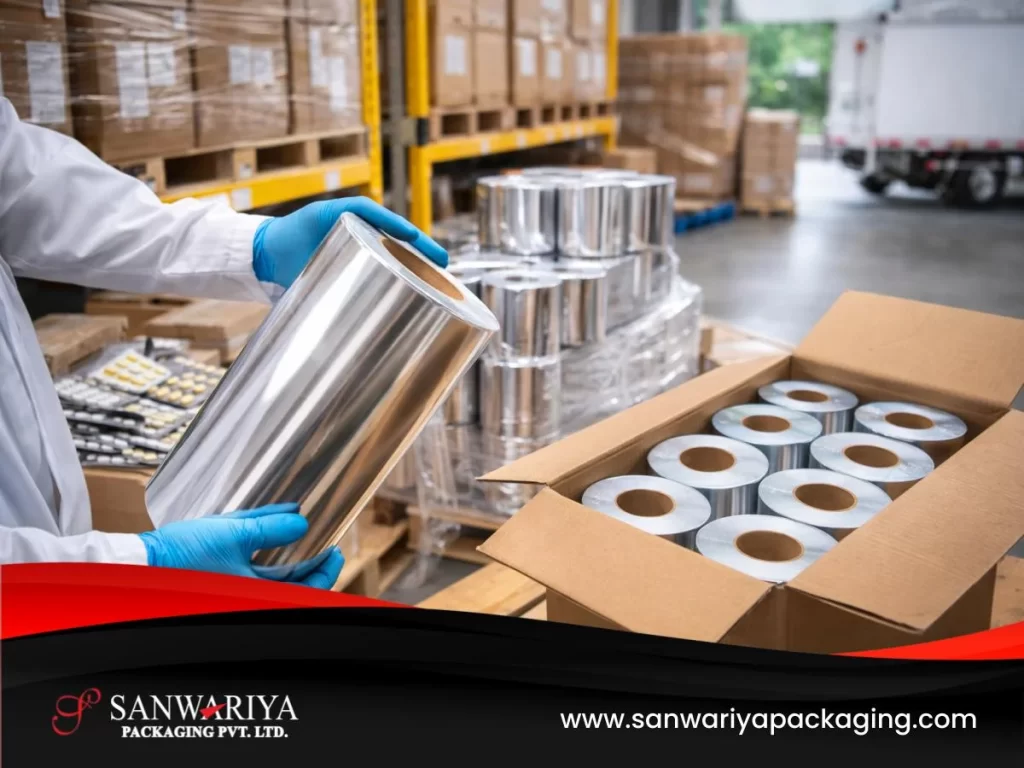
Aluminum foil provides one of the most effective barriers against light exposure in pharmaceutical packaging. Unlike transparent or translucent materials, aluminum reflects and blocks a large portion of incoming radiation.

The metal surface reflects both visible and ultraviolet wavelengths, preventing light from reaching the medicine inside the blister cavity.

This reflective behavior provides several advantages.

  • Near-complete opacity to light
  • Strong UV blocking capability
  • Stable protection across different wavelengths
  • Consistent performance during storage and transport

Because of these properties, aluminum foil is widely used in blister foils for light-sensitive formulations.

When combined with appropriate coatings and printing layers, foil structures can maintain both functional protection and regulatory labeling requirements.

Reflectivity Advantage of Aluminum in Pharmaceutical Packaging

The reflective surface of aluminum plays a key role in reducing UV penetration. When ultraviolet radiation strikes the foil surface, a significant portion of the energy is reflected away instead of passing through the material.

This reflective behavior helps maintain a stable internal environment for the medicine.

The performance of the foil barrier can be influenced by factors such as:

  • Foil thickness
  • Coating layers applied to the surface
  • Printing inks and pigments
  • Surface finish of the foil

Higher-quality foil structures maintain consistent reflectivity while also supporting reliable printing and sealing performance.

This combination of mechanical strength and optical protection makes aluminum foil particularly suitable for medicines that require strict light protection, including advanced structures like cold forming foils and multi-layer foils.

Testing Light Protection in Pharmaceutical Packaging

Pharmaceutical companies must demonstrate that packaging materials adequately protect light-sensitive medicines throughout the product’s shelf life.

This evaluation is typically performed during stability testing under controlled laboratory conditions.

Common testing approaches include:

  • Exposure to defined ultraviolet and visible light levels
  • Accelerated stability testing with controlled light sources
  • Measurement of degradation products after exposure
  • Comparison of protected and unprotected samples

International stability guidelines often define the total light exposure conditions required for photostability testing.

These tests help determine whether the selected packaging structure provides sufficient UV protection for the medicine.

If degradation is observed, packaging engineers may modify the material structure or increase the protective barrier properties.

Selecting the Right Foil Coating for UV Protection

While aluminum itself provides strong light protection, coatings and printing layers applied to the foil can influence overall performance.

Coatings are often applied to support sealing, printing, or machine compatibility. However, these coatings must also maintain the protective characteristics of the foil.

Packaging development teams evaluate several coating-related factors.

  • Compatibility with blister sealing processes
  • Resistance to environmental exposure
  • Stability of printed graphics during storage
  • Maintenance of UV-blocking performance

Specialized coatings may also reduce surface reflections that could interfere with printing or scanning technologies while maintaining the underlying barrier performance.

Selecting the correct coating system ensures that the foil continues to provide effective UV protection throughout the product lifecycle.

Challenges When Shipping Light-Sensitive Medicines Globally

Medicines distributed internationally may encounter a wide range of environmental conditions during transportation. Products shipped to regions with strong sunlight or high ambient temperatures may experience greater light exposure during handling and storage.

Export-oriented pharmaceutical companies therefore evaluate packaging carefully when shipping to high-exposure markets.

Potential risks during distribution include:

  • Prolonged exposure to sunlight during logistics handling
  • Storage in brightly lit warehouse environments
  • Transportation through regions with intense solar radiation

Using packaging materials with strong light barrier properties helps reduce these risks and ensures that medicines remain stable until they reach patients.

Regulatory Expectations for Photostability Protection

Global pharmaceutical regulators expect companies to demonstrate that packaging materials adequately protect medicines from environmental factors such as light, moisture, and oxygen.

Photostability studies form part of the broader stability testing framework used to establish shelf life.

Regulatory documentation may include:

  • Photostability study reports
  • Packaging material specifications
  • Validation of protective packaging performance
  • Long-term stability data under recommended storage conditions

Maintaining thorough documentation helps ensure compliance during regulatory submissions and inspections.

Packaging materials must therefore be selected not only for functional performance but also for their ability to support documented stability outcomes.

Ensuring Stability for Light-Sensitive Medicines

Protecting medicines from ultraviolet radiation is an essential aspect of pharmaceutical packaging design. Exposure to light can cause chemical degradation that affects both product efficacy and safety.

Aluminum blister foils provide an effective solution by reflecting and blocking ultraviolet radiation before it reaches the medicine. When combined with appropriate coatings and carefully designed packaging structures, these materials help maintain stability throughout the product’s lifecycle.

For pharmaceutical companies developing light-sensitive formulations, selecting the right packaging materials is a critical step in ensuring long-term product quality and regulatory compliance.

Sanwariya Packaging manufactures pharmaceutical aluminum foils designed to provide strong barrier protection, reliable printing performance, and compatibility with modern blister packaging systems. Through controlled manufacturing processes and advanced capabilities supported by its infrastructure, Sanwariya Packaging supports pharmaceutical companies in developing packaging solutions that help protect sensitive medicines throughout global distribution.For further discussions or requirements, you can get in touch with us or directly request a quote.

Pharmaceutical blister packs and aluminum foil rolls used for seal integrity in packaging

Pharmaceutical packaging must ensure that medicines remain stable, effective, and safe throughout their lifecycle. Among the most widely used formats, blister and strip packaging rely heavily on one critical factor: seal integrity.

While sealing performance is influenced by multiple variables, one of the most decisive factors is the quality and consistency of the aluminum foil used.

If seals are compromised due to material inconsistencies or poor coating performance, moisture, oxygen, or contaminants can enter the pack—leading to product degradation well before expiry. For pharmaceutical manufacturers, this directly impacts product quality, compliance, and market reputation.

This article focuses on how foil properties and sealing compatibility drive seal integrity in blister and strip packaging.

Why Seal Integrity Is a Material-Driven Parameter

Both blister and strip packaging depend on sealed structures for protection.

Blister Packaging

  • Forming film (PVC or similar)
  • Aluminum lidding foil with heat-seal coating

Strip Packaging

  • Laminated aluminum foils (with polymer layers such as LDPE)

In both cases, the seal is only as reliable as the material interface between layers.

Even when sealing parameters are optimized, poor foil quality can lead to:

  • inconsistent bonding
  • micro-leakage paths
  • reduced barrier performance
  • variability across production batches
For sensitive pharmaceutical formulations, such inconsistencies can result in stability failures and compliance risks.

Seal Strength in Blister Packaging

Blister packaging uses non-peelable seals, where the lidding foil is bonded permanently to the forming film.

The performance of this seal depends largely on the heat-seal coating applied to the aluminum foil.

Critical material-driven factors include:

  • uniform coating thickness across the foil surface
  • consistent adhesion properties with the forming film
  • resistance to channel formation or weak spots
  • compatibility with different blister substrates (PVC, PVDC, etc.)

Unlike strip packaging, the seal is not designed to be peeled. Instead, it must maintain integrity until the product is accessed via push-through.

Peel Strength in Strip (Laminated) Packaging

Peel strength is a relevant parameter in strip packaging, where laminated foil structures are used.

In these systems, aluminum foil is combined with polymer layers (such as LDPE), enabling controlled peel-open functionality.

Peel strength depends on:

  • the lamination quality between layers
  • the polymer composition and thickness
  • the consistency of bonding across the laminate

A well-designed laminate ensures:

  • secure sealing during storage and transport
  • predictable and user-friendly opening
This parameter is specific to laminated strip foils and does not apply to standard blister lidding foils.

Key Foil Properties That Influence Seal Integrity

Seal integrity is highly dependent on the following foil characteristics:

1. Heat-Seal Coating Consistency

The coating layer must be uniform and precisely controlled.

Variations can lead to:

  • uneven sealing
  • weak bond areas
  • increased risk of leakage

2. Coating–Substrate Compatibility

The coating formulation must match the forming film or laminate structure.

Incorrect compatibility may result in:

  • poor adhesion
  • seal failure under stress

3. Foil Surface Quality

Surface defects such as pinholes, contamination, or irregularities can compromise sealing.

High-quality foils ensure:

  • clean, defect-free surfaces
  • reliable contact during sealing

4. Barrier Properties

Aluminum foil must provide a strong barrier against:

  • moisture
  • oxygen
  • light

Any compromise in barrier integrity increases product vulnerability.

Seal Integrity Testing from a Material Perspective

While testing is performed at the packaging level, results often reflect material performance.

1. Seal Strength Testing (Blister)

Evaluates the bond quality achieved by the foil coating with the forming film.

2. Peel Strength Testing (Strip Packaging)

Measures the separation force in laminated structures, indicating lamination consistency.

3. Dye Penetration & Leak Testing

Helps identify micro-defects that may originate from:

  • coating inconsistency
  • surface imperfections
  • material variability

These tests are essential for validating both material selection and supplier consistency.

Common Material-Related Causes of Seal Failure

Many seal failures originate from foil-related issues rather than process errors:

  • inconsistent heat-seal coating application
  • poor coating adhesion properties
  • variation between production batches
  • surface contamination or defects
  • inadequate lamination quality (in strip foils)
Selecting a reliable foil supplier with controlled manufacturing processes significantly reduces these risks.

Regulatory Expectations

Regulatory authorities expect pharmaceutical companies to ensure that packaging materials consistently meet defined performance standards.

This includes:

  • qualification of packaging materials
  • validation of sealing performance
  • documentation of material specifications

Foil quality, coating consistency, and supplier reliability are therefore critical components of regulatory compliance.

Role of High-Quality Foils in Packaging Reliability

Consistent seal integrity is not achieved by process control alone—it requires high-quality, precisely engineered aluminum foils.

Pharmaceutical-grade foils should offer:

  • uniform heat-seal coating
  • reliable bonding performance
  • excellent barrier protection
  • batch-to-batch consistency

These attributes enable stable sealing performance across high-speed production lines and global supply chains.

Strengthening Seal Integrity Through Material Excellence

Seal integrity is a fundamental requirement in pharmaceutical packaging. While sealing parameters and equipment play a role, material quality—especially aluminum foil performance—is a primary driver of reliability.

By selecting the right foil structures, ensuring coating compatibility, and maintaining strict quality standards, manufacturers can significantly reduce packaging risks.

Strong seal integrity helps:

  • protect product stability
  • minimize recalls and complaints
  • meet global regulatory requirements
  • ensure patient safety

Sanwariya Packaging supports these outcomes by supplying pharmaceutical aluminum foils designed for consistent coating performance, reliable sealing compatibility, and high barrier protection. With controlled manufacturing processes and strict quality standards, Sanwariya Packaging enables pharmaceutical companies to achieve dependable packaging performance at scale.

The Science of Barrier Protection: Why Aluminum Foil Works

In hot and humid regions like Latin America, Asia, and Africa, medicines can lose up to 30% of their potency within weeks if not packaged correctly. This isn’t just a patient safety issue — it can lead to failed stability tests, regulatory delays, costly recalls, and damaged brand reputation.

That’s why aluminum barrier foil is more than just packaging. It is the pharmaceutical industry’s most reliable safeguard against moisture, oxygen, light, and contamination — all factors that can shorten a drug’s shelf life or compromise its effectiveness.

Barrier protection is a material’s ability to shield medicines from environmental threats. Without it, even well-formulated drugs can degrade. The key elements barrier foil protects against include:

  • Moisture: It can trigger chemical breakdown, microbial growth, or active ingredient loss.
  • Oxygen: It can cause oxidation, reducing the drug’s potency.
  • Light: UV and visible light can destabilize sensitive drugs like vitamins, hormones, and antibiotics.
  • Contaminants: Dust and airborne particles can compromise sterility and safety.

These risks are magnified in countries classified as ICH Climatic Zones III and IV (hot and humid regions) under global stability guidelines. The International Council for Harmonisation (ICH) sets strict testing standards for medicines in these zones. Meeting these standards often requires high-performance aluminum barrier foil to ensure products stay stable and pass regulatory reviews.

Aluminum foil outperforms plastics like PVC or PVDC in nearly every key metric, providing unmatched barrier protection and regulatory reliability.

PropertyAluminum FoilPVC/PVDC Film
Moisture BarrierExcellent (WVTR < 0.01)Moderate (WVTR ~0.2–0.5)
Oxygen BarrierExcellentLow
Light Barrier100% ProtectionPartial
Chemical InertnessNon-reactiveMay leach under stress
RecyclabilityHighLow

Because it is non-reactive and chemically stable, aluminum is ideal for protecting moisture-sensitive, pH-sensitive, and light-sensitive drugs, ensuring they remain safe and effective until the end of their shelf life.

Where Barrier Foil Makes the Most Impact

  • Alu-Alu Blisters – Maximum barrier for highly sensitive tablets like antibiotics and blood pressure medicines.
  • PVC-Alu Blisters – A balanced, cost-effective solution for moderate protection needs.
  • Strip Packs – Ideal for powders, dispersible tablets, and single-dose products.
  • Sachets – Perfect for granules requiring airtight sealing.

The Business Case for Barrier Foil

1. Extended Shelf Life

Barrier foil helps products pass both real-time and accelerated stability tests, even in ICH Zone IV conditions, ensuring medicines remain effective until they reach patients worldwide.

2. Global Regulatory Compliance

Aluminum foil meets packaging standards from leading authorities, including:

  • US FDA
  • EMA (Europe)
  • TGA (Australia)
  • WHO Prequalification Programs

3. Using aluminum foil simplifies approvals and avoids packaging-related audit issues when entering multiple international markets.

4. Reduced Risk and Cost

By preventing degradation, foil packaging helps cut down on:

  • Stability failures
  • Recalls and returns
  • Customer complaints and brand damage

5. The result:

Lower quality costs and stronger market reputation.

To make sure your packaging performs as expected, every pharmaceutical company should:

  • Verify the foil’s moisture and oxygen transmission rates (WVTR and OTR).
  • Choose the right laminate structure (PET, PE, lacquer layers) for the product’s sensitivity.
  • Test sealing strength at the intended thickness and processing temperatures.
  • Conduct ICH-compliant stability studies under real-time and accelerated conditions.
  • Even a high-quality formulation can fail a stability study if the foil isn’t matched to the product or climate.

The pharmaceutical industry is moving toward solutions that balance performance, sustainability, and security, including:

  • Recyclable, ultra-thin aluminum foils that cut down on material waste.
  • Bio-based adhesives and coatings for greener laminate structures.
  • Smart foils with built-in tamper indicators, authentication features, and digital tracking via QR or NFC codes.
These advancements help manufacturers stay compliant while meeting growing environmental and anti-counterfeit demands.

In pharmaceuticals, packaging isn’t just a wrapper — it’s the final shield that protects your product, your brand, and ultimately, the patient. Aluminum barrier foil remains the most trusted and proven material for ensuring drug stability, safety, and compliance worldwide.

Whether your medicines face harsh climates, light sensitivity, or strict regulatory scrutiny, choosing the right barrier foil can protect your investment and reputation.

Let’s Talk Protection You Can Count On

At Sanwariya Packaging, we deliver science-backed, customized aluminum foil solutions that help pharmaceutical companies achieve stability, compliance, and market confidence.

Contact our technical team today for guidance or request a free barrier foil sample to see how we can protect what matters most — your product and your patients.

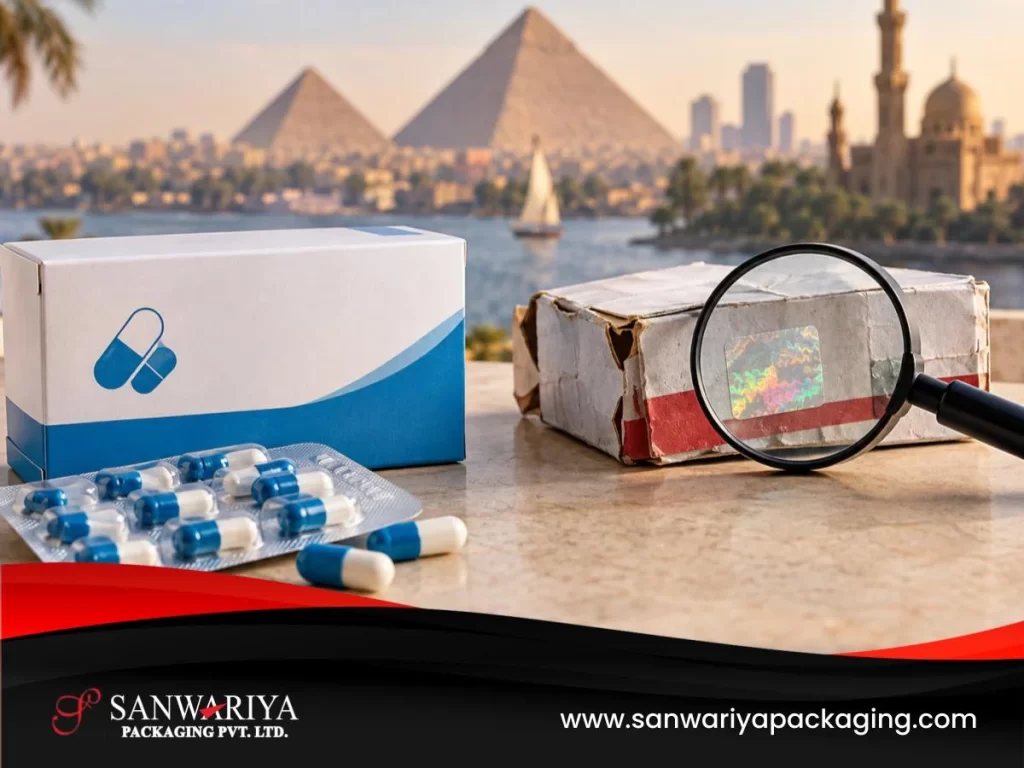
Why Security Foils Are Critical in Preventing Counterfeit Medicines

In the world of pharmaceuticals, trust is non-negotiable. When a patient takes medication, they expect it to be safe, authentic, and effective. But the harsh reality is that counterfeit drugs are on the rise globally, threatening lives and shaking consumer confidence. According to the World Health Organization (WHO), 1 in 10 medical products in low- and middle-income countries is either substandard or fake.

So, how can pharmaceutical companies ensure product integrity and protect patients?

Enter security foils—a frontline defense in the fight against counterfeit medicines.

Understanding the Threat of Counterfeit Drugs

Counterfeit medicines are more than just knock-offs; they often contain incorrect ingredients, wrong dosages, or no active ingredient at all. These products can lead to treatment failure, drug resistance, or even death. What’s more, the counterfeit drug industry is alarmingly sophisticated, with fake packaging that can mimic genuine products almost perfectly.

This makes packaging not just a protective shell—but a powerful security feature.

How Security Foils Help Safeguard Authenticity

Pharmaceutical-grade aluminum foils have evolved far beyond simple barriers to light, moisture, and oxygen. Today, they are equipped with advanced anti-counterfeit technologies that make duplication nearly impossible.

Here’s how:

1. Tamper-Evident Features

Security foils can be designed to reveal visible signs of tampering—such as void patterns or delamination—if someone tries to reseal or alter the packaging. This gives both pharmacists and patients a clear visual cue of potential interference.

2. Holographic Printing & Microtext

Holograms, microtext, and fine-line patterns are nearly impossible to replicate without specialized equipment. These high-precision elements add a visual layer of authentication and are easy to verify at the distribution or retail level.

3. Serialization and QR Codes

Every strip or blister pack can be assigned a unique serial number or QR code, allowing manufacturers to track and verify the product across the supply chain. This adds traceability and helps in real-time authentication using mobile apps or digital systems.

4. Invisible Security Inks & UV Features

Invisible UV-reactive inks or taggants embedded into foils can only be seen under specific conditions. These covert markers help inspectors and customs officials identify genuine products instantly during audits or border checks.

Why It Matters More Than Ever

As global pharma supply chains expand and digital marketplaces grow, counterfeiters have more opportunities to exploit weak packaging. Without robust security measures, even the most effective medication is vulnerable. For manufacturers, failing to protect packaging means risking:

  • Patient safety
  • Brand reputation
  • Regulatory penalties
  • Revenue loss
Security foils are a proactive investment, not just in packaging, but in consumer trust and corporate responsibility.

Choosing the Right Security Foil Partner

Not all foil solutions are created equal. The right packaging partner will offer tailored options that align with your brand, product needs, and global compliance requirements.

At Sanwariya Packaging, we specialize in pharmaceutical security foils that are engineered to protect your medicines against tampering, duplication, and misuse. From multi-layered anti-counterfeit solutions to fully traceable, serialization-ready foils, we provide a comprehensive suite of secure packaging options.

In an industry where safety and trust are paramount, security foils play a silent but powerful role in ensuring every pill, tablet, or sachet reaches the patient just as it should—genuine, effective, and untouched.

The next time you seal a blister pack, think beyond the foil. Think of the lives it protects.

Want to strengthen your pharma packaging against counterfeiting?

Let’s collaborate on building a safer future—one secure foil at a time.
Contact Sanwariya Packaging today.

The Lifecycle of Pharmaceutical Packaging

Pharmaceutical packaging is far more than a protective shell—it is an essential component of drug safety, regulatory compliance, and patient experience. Every step, from selecting raw materials to ensuring safe disposal, plays a critical role in maintaining drug efficacy, preventing counterfeiting, and meeting global regulatory standards.

With increasing counterfeit threats, evolving compliance regulations, and growing sustainability concerns, the pharmaceutical industry must continuously innovate its packaging strategies. This blog explores the entire lifecycle of pharmaceutical packaging and what it takes to ensure medicines reach consumers safely and securely.

Material Selection: The Foundation of Safe Packaging

Selecting the right materials is the first step in ensuring the safety, stability, and compliance of pharmaceutical packaging.

Key Considerations:

  • Regulatory Compliance – Packaging materials must meet standards from regulatory bodies like FDA, EMA, WHO, and TGA to avoid product recalls and market rejections.
  • Product Protection – Packaging must shield drugs from moisture, oxygen, light, and contamination, preserving efficacy.
  • Sustainability – Eco-friendly packaging, such as PVC-free blister packs and recyclable aluminum foils, is becoming a priority worldwide.
 Example: Leading pharma companies are transitioning to biodegradable blister packs to minimize environmental impact while maintaining drug integrity.

Packaging Design: Security, Compliance & User Experience

A well-designed pharma package must balance security, ease of use, and regulatory adherence.

Essential Design Elements:

  • Anti-Counterfeit & Tamper-Proof Features – Technologies like holograms, QR codes, and RFID tracking authenticate genuine products.
  • Clear & Compliant Labeling – Labels must include dosage, batch numbers, expiry dates, and country-specific regulatory markings.
  • User-Friendly Features – Child-resistant closures prevent accidents, while easy-to-open packaging supports elderly patients.
Example: Under the European Falsified Medicines Directive (FMD), pharmaceutical companies must implement serialization to track every drug unit from production to patient use.

Manufacturing & Printing: Precision, Security & Quality Control

Once the design is finalized, packaging moves to high-precision manufacturing to ensure accuracy and compliance.

Key Manufacturing Steps:

  • Advanced Printing Technology – High-resolution batch numbers, barcodes, and authentication features are integrated.
  •  Stringent Quality Control – Every package undergoes defect inspections, material integrity checks, and compliance validation.
  • Market-Specific Customization – Packaging is tailored with region-specific labels and multilingual instructions.
Example: The U.S. Drug Supply Chain Security Act (DSCSA) mandates that all pharmaceutical packages include a unique identifier to ensure supply chain transparency.

Filling & Sealing: Ensuring Drug Integrity

This stage involves encasing the pharmaceutical product securely to prevent contamination and maintain potency.

Critical Steps:

  • Primary Packaging – Includes blister packs, vials, ampoules, and sachets, designed to protect the drug.
  • Sealing & Integrity Testing – Techniques like heat sealing, vacuum sealing, and leak testing prevent contamination.
  • Serialization & Traceability – Every package receives a unique tracking code to combat counterfeiting.
Example: Leading pharma brands now embed RFID tags in packaging to track medicine movement from factory to pharmacy.

Distribution & Storage: Protecting Medicines in Transit

Once packaged, medicines require careful handling, storage, and distribution to retain quality.

Key Considerations:

  • Cold Chain Logistics – Vaccines and biologics need temperature-controlled packaging to prevent degradation.
  • Shock & Impact Resistance – Packaging must withstand transport stress, humidity, and temperature fluctuations.
  • Global Compliance – Different countries have unique labeling, storage, and distribution regulations.
Example: COVID-19 vaccines required ultra-cold storage packaging at -70°C to maintain potency during transport.

The Future of Pharmaceutical Packaging

The industry is evolving rapidly with cutting-edge innovations aimed at enhancing security, sustainability, and patient convenience.

Emerging Trends:

  • Smart Packaging – Uses temperature sensors and tamper-detection to ensure product integrity.
  • Blockchain & AI for Supply Chain Transparency – Strengthens anti-counterfeit efforts by tracking each unit through blockchain.
  • 100% Recyclable & Biodegradable Packaging – Meets global sustainability regulations and consumer demand.
Prediction: By 2030, over 70% of pharmaceutical companies will transition to smart and eco-friendly packaging to align with global sustainability goals.

Beyond Protection: Packaging That Builds Trust

Pharmaceutical packaging does more than safeguard products—it underpins drug safety, regulatory integrity, and patient confidence. From material selection to final delivery, every step in the packaging lifecycle is critical to ensuring that medicines arrive in their purest, most effective form.

At Sanwariya Packaging, we go beyond the basics. We specialize in delivering secure, innovative, and globally compliant packaging solutions that not only meet but exceed industry expectations. Our advanced anti-counterfeit foils, precision multicolor printing, and sustainable materials help protect your brand and your consumers.

As the industry embraces smart technologies and eco-friendly breakthroughs, we’re leading the charge—empowering pharmaceutical companies to stay compliant, competitive, and future-ready in a rapidly evolving landscape.

Is Your Packaging Future-Ready?

Looking for secure, compliant, and innovative pharmaceutical packaging solutions? Contact us today to explore how our cutting-edge packaging technologies can enhance your pharmaceutical products.

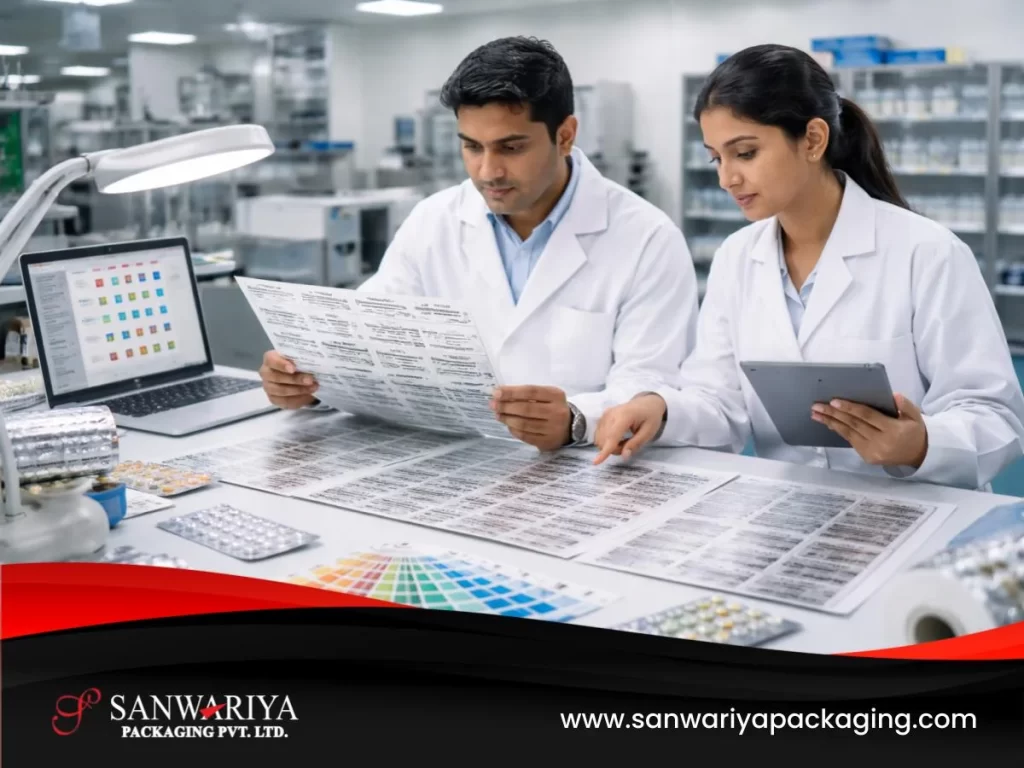
How Multi-Color Printing Improves Compliance in Pharma Packaging

Compliance in pharmaceutical packaging is essential for ensuring patient safety, meeting regulatory requirements, and maintaining brand integrity. However, companies often face challenges in presenting critical information in a clear, readable, and organized manner.

Multi-color printing offers a robust solution by enhancing the visibility, accuracy, and clarity of essential information on packaging. This blog explores how multi-color printing improves compliance and transforms the pharmaceutical packaging landscape.

Understanding Multi-Color Printing in Pharmaceutical Packaging

Multi-color printing refers to the use of advanced printing technologies to incorporate multiple colors and intricate designs on pharmaceutical packaging materials. This process allows for high-quality graphics and text that enhance the packaging’s functionality and appeal.

Technologies Used:

  • Rotogravure Printing: A high-precision technique ideal for producing detailed, multi-colored designs on flexible materials like aluminum foils. It ensures consistent quality, high durability, and sharp text and images.
  • Flexographic Printing: A versatile technology suitable for printing on various substrates, including flexible materials.
  • Digital Printing: Enables on-demand, high-quality printing with customizable options.

Rotogravure printing, in particular, is widely recognized for its ability to produce superior-quality prints with fine details and high durability, making it a preferred choice for pharmaceutical packaging.

Ensuring Compliance Through Multi-Color Printing

Pharmaceutical packaging must adhere to various global and regional regulations to ensure patient safety and product efficacy.

Regulatory bodies mandate the inclusion of:

  • Drug name and dosage
  • Batch number and expiration date
  • Warnings and precautions
  • Storage instructions

Agencies like the FDA (U.S.), EMA (Europe), and TGA (Australia) require clear, readable, and accurate labeling to minimize errors and ensure consistent oversight.

Key Benefits of Multi-Color Printing in Compliance

  • Improved Legibility: By using contrasting colors, critical information stands out against the background, enhancing readability for patients and healthcare professionals.
  • Clear and Accurate Information: Multi-color printing ensures structured presentation of details like dosage instructions, side effects, and ingredients.
  • Consistent Branding: While meeting compliance requirements, multi-color printing maintains brand identity through consistent color schemes and logos.
  • Tamper-Evidence and Security: Technologies like color-shifting inks and holographic elements can be integrated to protect against counterfeiting and meet anti-fraud regulations.

Business Impact: Cost Savings and Efficiency

Effective multi-color printing simplifies compliance processes, resulting in cost savings and quicker regulatory approvals.

  • Faster Approval Process: Clear and compliant packaging designs expedite the review and approval process by regulatory bodies.
  • Reduction in Errors and Rework: High-quality multi-color printing minimizes labeling mistakes, reducing the likelihood of costly recalls or penalties.

The Future of Multi-Color Printing in Pharmaceutical Packaging

  • Technology Advancements: Innovations in digital and rotogravure printing offer greater flexibility, precision, and customization for pharma packaging.
  • Sustainability in Multi-Color Printing: Eco-friendly printing methods, such as vegetable-based inks and recyclable materials, align with both compliance and environmental goals, paving the way for a sustainable future in pharmaceutical packaging.

Multi-color printing is a game-changer for pharmaceutical packaging, offering unparalleled benefits in compliance, safety, and efficiency. By ensuring clarity, enhancing branding, and meeting global standards, it empowers companies to deliver high-quality packaging solutions that prioritize patient safety and regulatory adherence.

Pharmaceutical companies can stay ahead by investing in advanced printing solutions. At Sanwariya Packaging Pvt. Ltd., we specialize in rotogravure multi-color printing, delivering innovative, compliant, and visually appealing packaging. Contact us today to learn how our solutions can elevate your pharmaceutical packaging.