
Blog by Sanwariya Packaging

Your Trusted Partner in Packaging

Learn About Our Vision for the Future And Grow with Us.

Your Trusted Partner in Pharma Packaging

Learn about our vision for the future and grow with us.

Your Trusted Partner
in Pharma Packaging

Learn about our vision for the future and grow with us.

Know More

Category: Sustainability in Packaging

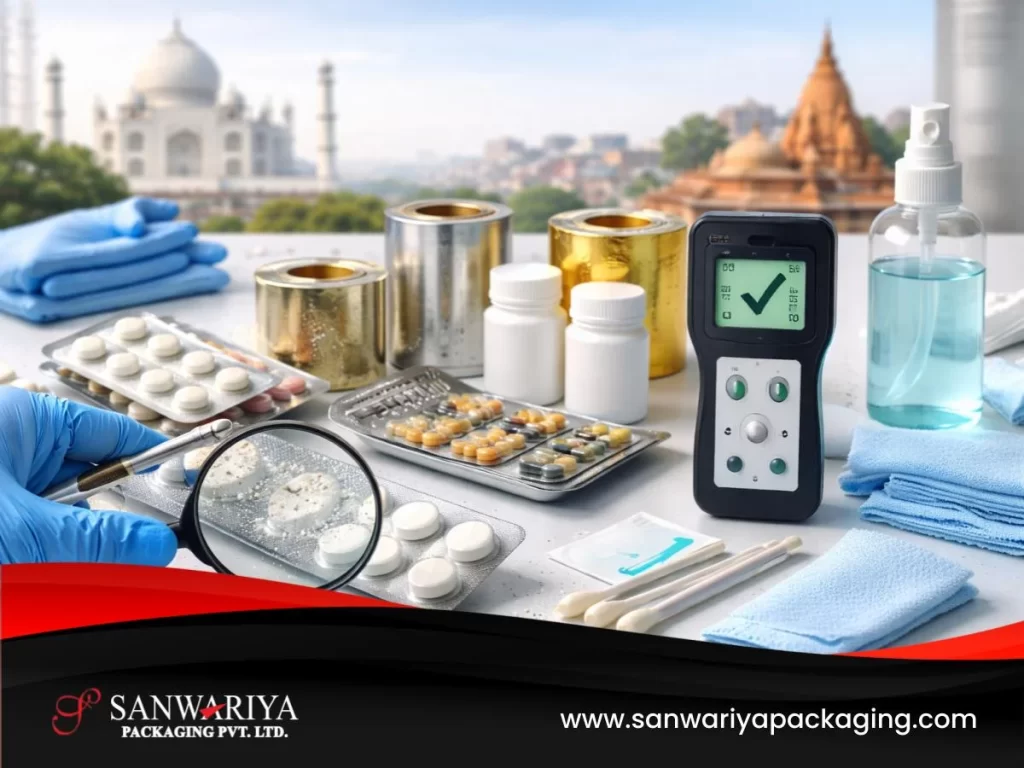
Stricter global standards for packaging surface cleanliness

Pharmaceutical packaging is often seen as the final stage of medicine production. In reality, it plays a crucial role in protecting medicines from contamination and preserving their quality until they reach the patient.

Even when medicines are manufactured under highly controlled conditions, contamination risks can still arise if packaging materials carry dust, fibers, or microscopic particles. Because of this, regulators and pharmaceutical companies around the world are paying closer attention to pharma packaging surface cleanliness.

Over the past decade, expectations surrounding packaging hygiene, particulate control, and clean handling practices have become significantly stricter. The goal is simple: prevent contamination before it reaches the patient.

This blog explains why packaging cleanliness standards are tightening globally, the risks associated with particulate contamination, and how pharmaceutical companies are adapting their packaging practices to meet evolving Good Manufacturing Practice (GMP) expectations across modern pharmaceutical packaging materials.

Why Packaging Surface Cleanliness Matters

Packaging materials frequently come into direct contact with medicines or the environment surrounding them during packaging operations. If the surface of the packaging carries particles or residues, those contaminants can easily reach the product.

Common sources of contamination include:

  • Dust introduced during storage or transportation
  • Fibers from packaging materials or operator clothing
  • Residues from manufacturing or converting processes
  • Environmental particles present in production areas

Even extremely small particles can create problems during pharmaceutical packaging.

For example: particles may become trapped inside blister cavities, appear as visible contaminants in finished products, or interfere with sealing processes used withblister foils.

For pharmaceutical manufacturers, this creates two major concerns:

  • Product quality risks
  • Regulatory inspection observations

As a result, surface cleanliness in pharmaceutical packaging has become a critical component of contamination control strategies.

The Growing Risk of Particulate Contamination

Particles that are barely visible to the human eye can still cause significant problems in pharmaceutical packaging.

During packaging operations, loose particles may:

  • Enter blister cavities along with tablets or capsules
  • Prevent proper sealing of blister packs
  • Appear as visible foreign matter inside the package
  • Trigger product complaints or recalls

Regulatory authorities treat visible contamination very seriously. Even a single particle found during inspection or market complaints may raise questions about the effectiveness of a company’s contamination control systems.

Because of this, packaging cleanliness is no longer considered a minor operational detail. It is now an essential part of overall pharmaceutical quality management.

Why Global Regulators Are Increasing Expectations

Several industry trends are driving stricter regulatory expectations regarding packaging cleanliness.

1. Increasingly Sensitive Pharmaceutical Formulations

Modern medicines are often more complex and sensitive than traditional formulations. Some drugs can be affected by extremely small environmental contaminants.

Maintaining clean packaging surfaces helps ensure that these sensitive products remain stable and uncontaminated.

2. Expanding Global Supply Chains

Pharmaceutical packaging materials frequently travel long distances before reaching production facilities.

During transport and storage, materials may be exposed to dust, handling environments, or environmental particles. As pharmaceutical supply chains become more global, maintaining packaging cleanliness throughout the entire logistics process becomes more important.

Materials such as strip laminated foils and PVC foils must therefore be handled carefully to maintain their cleanliness during transportation and storage.

3. Preventive Quality Approaches

Regulators now emphasize preventing contamination rather than detecting it later.

Instead of relying only on inspection, companies are expected to demonstrate that their processes minimize contamination risks from the beginning. This includes how packaging materials are manufactured, stored, transported, and handled.

The Role of Cleanroom and Environmental Control Standards

Many pharmaceutical companies use internationally recognized environmental control frameworks when developing contamination control programs.

These frameworks focus on:

  • Monitoring airborne particle levels
  • Defining acceptable environmental cleanliness limits
  • Establishing controlled handling procedures
  • Implementing environmental monitoring systems

While these principles are traditionally associated with cleanrooms used in pharmaceutical manufacturing, similar concepts are increasingly applied to packaging material production and handling.

For packaging suppliers, this means demonstrating that their materials are produced and handled under conditions that minimize contamination risks within well-controlled manufacturing infrastructure.

Cleanroom-Compatible Handling for Packaging Materials

As expectations increase, many pharmaceutical companies now request packaging materials that are produced or handled in environments designed to control particulate contamination.

Cleanroom-compatible handling practices typically focus on controlling:

  • Airborne dust and environmental particles
  • Operator contact with materials
  • Contamination from surrounding manufacturing processes
  • Storage and packaging conditions during production

These controls help ensure that packaging materials arrive at pharmaceutical manufacturing sites in a clean and ready-to-use condition.

For pharmaceutical manufacturers, receiving clean packaging materials reduces the risk of contamination entering the packaging process.

Maintaining Cleanliness During Pharmaceutical Packaging Operations

Even when packaging materials arrive clean from suppliers, pharmaceutical manufacturers must maintain that cleanliness throughout their internal operations.

Production teams typically implement several procedures to prevent contamination during packaging.

Common practices include:

  • Dedicated storage areas for packaging materials
  • Protective coverings during internal transport
  • Line clearance procedures before packaging runs
  • Controlled handling by trained operators
  • Regular cleaning of packaging equipment and work areas

These procedures help maintain a controlled environment where contamination risks remain minimal.

Why Supplier Qualification Is Becoming More Important

Because many pharmaceutical packaging materials are sourced from external suppliers, pharmaceutical companies must verify that those suppliers maintain appropriate cleanliness standards.

Supplier qualification programs often review:

  • Manufacturing hygiene practices
  • Environmental control systems within production facilities
  • Material handling procedures
  • Storage and transportation methods
  • Documentation supporting traceability and cleanliness controls

This verification process helps pharmaceutical companies ensure that contamination risks are minimized before packaging materials even reach their facilities.

Strong supplier qualification programs also play an important role during regulatory inspections.

Export Markets Are Raising the Cleanliness Bar

Pharmaceutical companies supplying medicines to multiple countries must often comply with the strictest quality expectations among those markets.

Regulatory authorities may review contamination control strategies during inspections or dossier evaluations. As a result, packaging cleanliness documentation and supplier quality systems are becoming increasingly important for companies entering global markets.

Export-focused pharmaceutical manufacturers are therefore strengthening packaging hygiene standards to ensure consistent compliance across regulatory environments.

Clean Packaging Supports Patient Safety and Trust

Stricter packaging cleanliness standards ultimately support a broader objective: protecting patients and maintaining trust in pharmaceutical products.

Clean packaging surfaces help pharmaceutical companies:

  • Prevent contamination during packaging operations
  • Reduce the risk of visible particles in finished products
  • Improve batch consistency and product quality
  • Demonstrate strong contamination control during regulatory inspections
For quality assurance and compliance teams, maintaining high standards of pharma packaging surface cleanliness is now an essential part of modern pharmaceutical manufacturing.

How Sanwariya Packaging Supports Clean Pharmaceutical Packaging

Sanwariya Packaging manufactures pharmaceutical aluminum foils with strong attention to controlled production, material hygiene, and consistent quality processes. Our manufacturing practices are designed to support high standards of pharma packaging surface cleanliness, helping pharmaceutical manufacturers reduce contamination risks during packaging operations.

Through carefully controlled production environments, specialized packaging materials such as cold forming foils and hologram security foils, and strong process control, we support pharmaceutical companies in maintaining product integrity and meeting global regulatory expectations.

Companies interested in exploring suitable pharmaceutical packaging solutions can get in touch with us or directly request a quote for customized foil packaging materials.

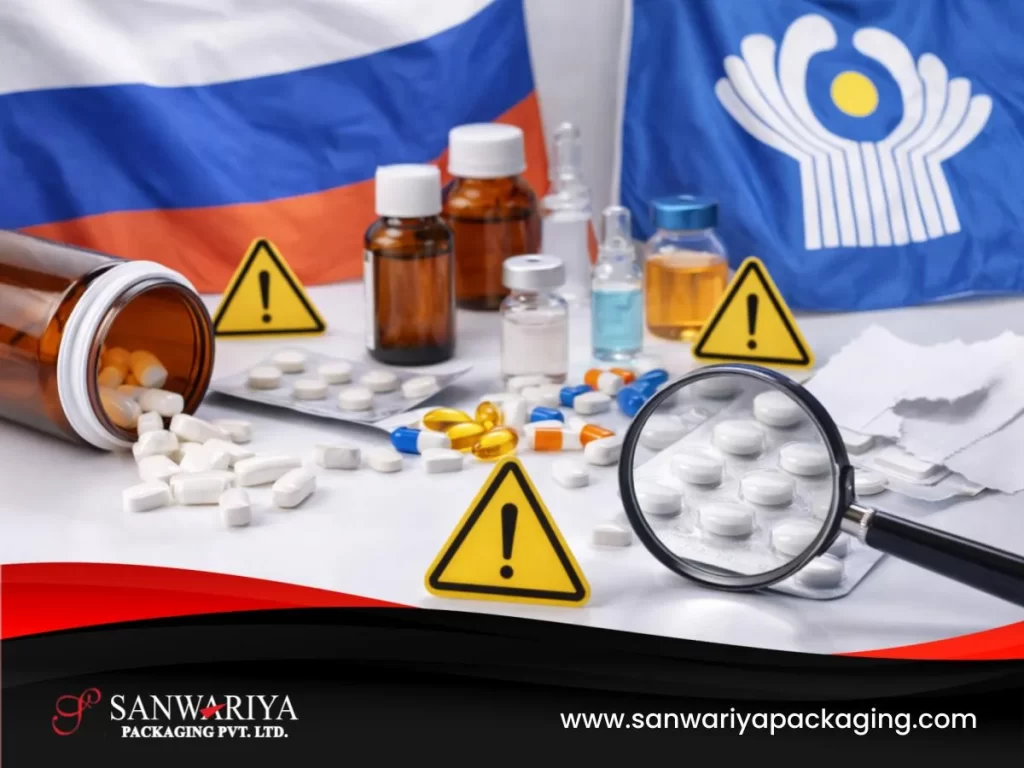
Common pharma packaging pitfalls during Russian and CIS audits

Pharmaceutical exports to Russia and CIS countries operate under highly verification-driven regulatory systems. While product quality and manufacturing compliance remain essential, packaging control—especially for primary packaging such as pharmaceutical aluminum foil — often becomes the deciding factor during inspections.

Many exporters assume that approvals from the EU or the US will be sufficient. In practice, Russian and CIS auditors focus far less on intent and far more on objective evidence. Inspectors expect clearly approved documents, consistent execution, and full traceability across the packaging lifecycle.

For companies targeting Russia, the Commonwealth of Independent States and Eurasian Economic Union (EAEU) markets, packaging must be treated as a regulated system—not a supporting activity.

This article explains the most common packaging-related audit failures, what CIS auditors truly verify, and how exporters can build packaging readiness that supports faster approvals and uninterrupted exports.

How Russian and CIS audits differ from other regulated markets

Audits in Russia and CIS countries follow a strict verification approach. Inspectors rarely accept explanations without documentary support.

In practice, auditors place strong emphasis on:

  • Written, approved procedures and records
  • Detailed traceability of primary packaging materials
  • Formal supplier qualification and monitoring
  • Consistency between documentation and real operations

If a process is not documented, approved and followed exactly, auditors may treat it as if it does not exist.

This creates a different operating environment for exporters. Packaging, quality, regulatory and supply chain teams must operate in alignment, with shared ownership of packaging compliance.

Packaging documentation: the most common weakness

Incomplete or fragmented packaging documentation is one of the most frequent sources of audit observations in Russian and CIS inspections.

Auditors typically expect companies to demonstrate:

  • Approved packaging specifications for every product and presentation
  • Clear identification of foil structure and packaging configuration for each SKU
  • Justification linking packaging choice to stability and shelf life
  • Controlled change records for any modification in foil, printing or suppliers

A recurring problem is departmental silos. When quality, procurement, production and artwork teams maintain separate records, inconsistencies appear. During audits, mismatched data—such as foil thickness, supplier name or structure type—immediately raises concerns about system control and data reliability.

Foil traceability is non-negotiable

In Russian and CIS audits, aluminum foil used for blister packaging and strip packaging is treated as a critical primary packaging component.

Inspectors routinely verify:

  • Approved foil supplier and qualification status
  • Batch-level traceability from incoming foil rolls to finished packs
  • Certificates confirming material quality and suitability
  • Matching records across warehouse, production and quality systems

Exporters must be able to show exactly which foil batch was used in which production batch and how that material was approved.

If traceability is incomplete, auditors may question packaging integrity, shelf-life reliability and patient safety—even when the medicinal product itself meets all quality requirements.

Stability and foil selection are closely linked

Russian and CIS regulators increasingly review how packaging material selection supports product stability, particularly for moisture-sensitive and oxygen-sensitive formulations.

During audits, inspectors may request:

  • Justification for the selected multi-layer foil structure
  • Evidence that the barrier performance supports the approved shelf life
  • Stability studies reflecting the final market packaging configuration
  • Impact assessments for any change in packaging material

When stability data exists but is not clearly linked to the packaging structure in use, companies struggle to demonstrate that shelf-life claims remain valid for exported packs.

For high-barrier requirements, inspectors frequently expect technical justification for the use of cold forming foils where applicable.

Supplier control: reputation is not enough

Another frequent audit gap is weak supplier governance.

Russian and CIS inspectors do not rely on global reputation or third-party certifications alone. The responsibility for supplier control must clearly sit with the pharmaceutical company.

Auditors typically expect:

  • Formal supplier qualification or audit reports
  • Approved quality agreements
  • Defined change notification and approval procedures
  • Ongoing supplier performance monitoring

Companies that rely only on supplier certificates without internal evaluation often receive audit remarks. In CIS audits, supplier oversight is considered part of the company’s own pharmaceutical quality system.

For auditors, the ability of packaging partners to demonstrate validated production and control capabilities—such as documented infrastructure and controlled operations outlined in the manufacturing infrastructure — is also closely reviewed.

Packaging design and labeling: small errors, major impact

Artwork and labeling controls are reviewed in detail during CIS inspections.

Auditors verify:

  • Accuracy and regulatory compliance of labeling information
  • Correct language use where required
  • Consistency between approved artwork and released production files
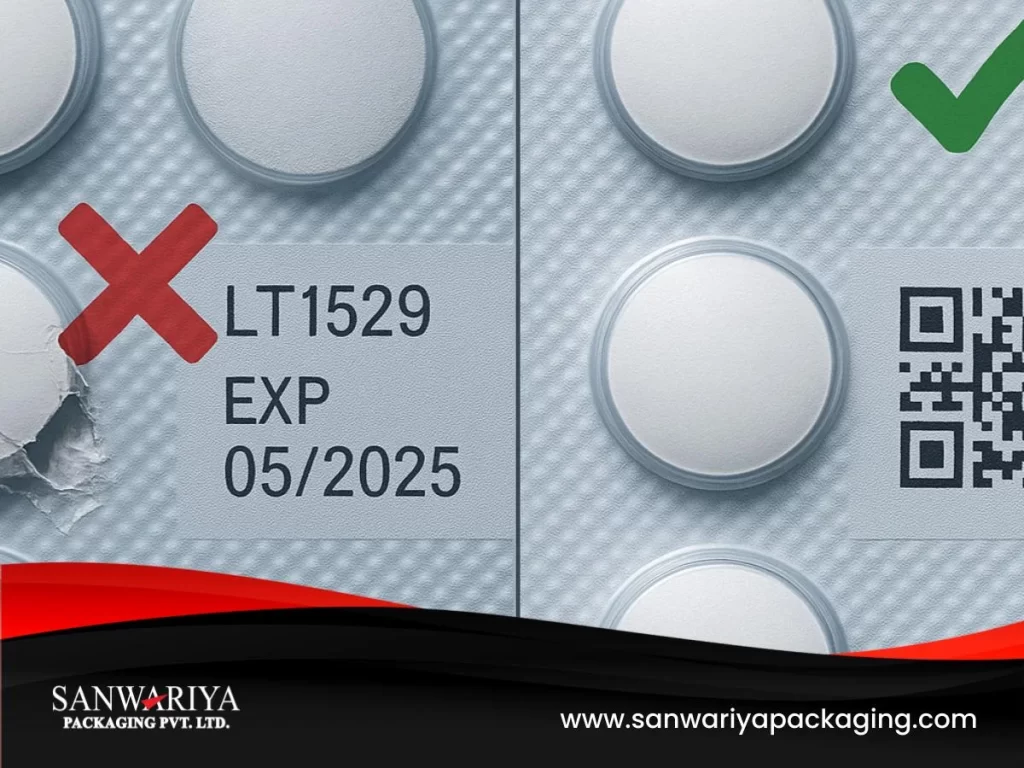
  • Proper display of batch numbers, expiry dates and regulatory details

For products that require brand protection and traceability features, inspectors may also review the use of hologram security foils as part of packaging control and anti-counterfeiting strategies.

Even minor inconsistencies can trigger relabeling requests, shipment holds or delayed market release. For exporters, packaging artwork control is not a marketing activity—it is a regulated process directly linked to product approval and distribution.

The real business cost of packaging audit failures

Packaging-related findings rarely remain limited to documentation corrections. They frequently lead to:

  • Shipment delays and customs holds
  • Follow-up inspections or re-audits
  • Increased regulatory scrutiny for future submissions
  • Reduced confidence from local distributors and partners

From a business perspective, weak packaging readiness directly affects:

  • Time-to-market for new products
  • Revenue continuity in CIS regions
  • Contract performance with commercial partners
  • Long-term brand credibility in regulated export markets
For companies expanding into Russia and CIS countries, packaging failures represent a strategic risk rather than an operational inconvenience.

How successful exporters prepare for CIS packaging audits

Companies that perform consistently well in Russian and CIS audits treat packaging as a fully controlled and auditable system.

Effective practices include:

  • Clear ownership of packaging material and artwork decisions
  • Unified documentation accessible to QA, regulatory and supply chain teams
  • End-to-end foil traceability from supplier to finished product
  • Routine internal audits focused specifically on export market expectations
  • Working with packaging partners familiar with CIS regulatory and inspection behaviour and offering a full portfolio of regulated solutions such as PVC foils and glassine-based pharmaceutical foils where applicable
This approach significantly reduces last-minute corrections and allows teams to respond confidently during inspections.

A practical readiness checklist

Before entering a Russian or CIS audit, exporters should be able to answer the following without hesitation:

  • Are all packaging specifications approved, current and aligned?
  • Can every foil batch be traced to finished product batches and shipments?
  • Is stability data clearly linked to the packaging configuration in use?
  • Are all foil suppliers formally qualified and actively monitored?
  • Are artwork files, approvals and released versions fully controlled?

If any of these rely on manual reconciliation or informal practices, audit risk increases.

Packaging readiness is a strategic advantage

In Russian and CIS markets, audit readiness demonstrates operational maturity and long-term commitment to regulatory expectations.

Companies with strong packaging systems benefit from:

  • Faster approvals and fewer market entry delays
  • Reduced shipment interruptions
  • Stronger trust from regulators and partners
  • Lower long-term compliance and remediation costs

By strengthening documentation, traceability and supplier governance, pharmaceutical exporters can convert audits from a barrier into a competitive advantage.

At Sanwariya Packaging, we support pharmaceutical companies with packaging solutions designed around audit readiness—helping ensure stability performance, traceability and regulatory compliance for highly regulated export markets, including Russia and the CIS region.For technical discussions or project enquiries, teams can use the Get in touch with us page or directly request a quote.

Importance of foil coatings in hot and humid climates

Moisture is invisible, but in pharmaceutical packaging, it is one of the most frequent root causes of product instability, shelf-life reduction, and post-approval failures. Issues such as tablets softening, capsules losing potency, coating degradation, or unexpected stability failures are often traced back to one critical factor: inadequate moisture protection from the packaging system.

This is where the Moisture Transmission Rate (MTVR) becomes decisive. Understanding how foil structure directly influences MTVR enables pharmaceutical companies to make informed, preventive pharmaceutical packaging decisions—particularly for moisture-sensitive formulations and products distributed across high-humidity or long-transit markets.

This article explains MTVR in clear, practical terms, connects barrier science to real-world pharmaceutical risk, and shows how selecting the right foil structure protects product quality, regulatory compliance, and patient safety.

What Is the Moisture Transmission Rate (MTVR)?

Moisture Transmission Rate (MTVR) measures the amount of water vapor that can pass through a packaging material over a defined area and time under controlled conditions.

In practical pharmaceutical terms:

  • Low MTVR = strong moisture barrier and higher product protection
  • High MTVR = increased risk of moisture ingress and product degradation

Even minimal moisture exposure can:

  • Reduce shelf life
  • Alter drug performance
  • Trigger stability failures during storage or transport
For moisture-sensitive products, MTVR is not a secondary specification—it is a critical quality attribute influencing approval, performance, and market reliability.

Why Foil Structure Directly Determines MTVR Performance

Pharmaceutical foil is not a single material layer. Its structure—how multiple layers work together—defines overall moisture resistance.

A typical pharmaceutical foil structure—such as blister foils,cold forming foils, or strip laminated foils—may include:

  • Aluminum foil (primary moisture barrier)
  • Protective coatings or lacquers
  • Heat-seal layers
  • Optional polymer films in multi-layer foil or specialty structures

Each layer performs a distinct function. A well-engineered structure slows moisture migration at multiple points, while a weak or incompatible structure allows vapor to penetrate—even when aluminum thickness appears adequate.

Key insight:
Two foils with similar thickness can show vastly different MTVR values because barrier performance depends on structure integrity, not thickness alone.

How Individual Foil Layers Influence Moisture Protection

1. Aluminum Layer — The Primary Barrier

  • Acts as the main moisture and oxygen barrier
  • Defect-free aluminum significantly reduces vapor transmission
  • Thickness consistency and pinhole control are critical
While aluminum provides the core barrier, it cannot perform alone.

2. Coatings & Lacquers — Barrier Stability and Durability

  • Protect aluminum from mechanical and chemical stress
  • Reduce micro-crack formation during forming and handling
  • Improve resistance to long-term humidity exposure
Poor or incompatible coatings can compromise barrier performance even when aluminum quality is high.

3. Sealant Layers — The Most Common Failure Point

Enable airtight sealing between foil and blister material

  • Directly affect moisture ingress at seal areas
  • Must be compatible with forming films and sealing parameters
Fact:
Many moisture-related failures occur not because the aluminum layer failed, but because the seal layer allowed moisture pathways to form.

Standard Foil vs High-Barrier Foil: Why Structure Matters

AspectStandard Foil StructureHigh-Barrier Foil Structure
Moisture ResistanceModerateVery high
Long-Term StabilityLimited in humid zonesConsistent across climates
Suitability for ExportsShort or controlled routesLong-distance, high-risk markets
Regulatory ConfidenceConditionalStrong, data-backed

High-barrier structures are engineered to perform reliably under sustained humidity stress—not just initial testing conditions.

When High-Barrier Foil Structures Become Mandatory

High-barrier pharmaceutical foils—such as cold forming foils and advanced multi-layer foils—are essential when:

  • The formulation is moisture-sensitive
  • Shelf life exceeds 24 months
  • Distribution includes Climatic Zones III & IV
  • Products face long transit, port storage, or uncontrolled warehousing

Markets across Asia, Africa, Latin America, and coastal regions routinely expose pharmaceutical products to prolonged high humidity. In these environments, standard foil structures may pass early stability studies yet fail during real-world storage.

MTVR Testing and Evaluation: What Regulators Expect

MTVR performance cannot be assumed—it must be measured, validated, and documented.

Key evaluation approaches include:

  • Moisture transmission testing under controlled laboratory conditions
  • Stability studies aligned with climatic zone requirements
  • Seal integrity and aging assessments

Regulatory and quality teams rely on this data to:

  • Approve packaging during product registration
  • Justify export-readiness claims
  • Support long-term stability commitments
Without validated MTVR performance, packaging approval and lifecycle management become uncertain.

Common Real-World Failures Linked to Poor MTVR Selection

Across domestic and export markets—supported by advanced manufacturing and quality controls at our infrastructure facilities—the same patterns repeatedly emerge:

  • Stability passes initially but fails after months in humid storage
  • Tablets stick, soften, or discolor before expiry
  • Market complaints arise despite compliant formulations
  • Costly revalidation triggered by post-approval packaging changes
In most cases, the root cause is not formulation weakness—but foil structure mismatched to environmental exposure.

Choosing the Right Foil Structure

Instead of asking “Is this foil thick enough?”, pharmaceutical teams should ask:

  • How moisture-sensitive is the formulation?
  • Which climatic zones will the product encounter?
  • What is the total storage and transit duration?
  • Is the seal layer compatible with the blister material?
  • Does the supplier provide validated MTVR and stability data?

Selecting the correct foil structure is a preventive quality decision, not a corrective one.

Business and Compliance Impact of Correct MTVR Selection

Choosing the right foil structure delivers measurable value:

  • Fewer stability failures and deviations
  • Faster regulatory approvals
  • Reduced recall and rejection risk
  • Lower long-term costs compared to revalidation
  • Stronger patient trust and brand credibility
Underestimating MTVR often results in hidden costs that far exceed the initial savings from lower-grade packaging.

Key Takeaway

MTVR is not merely a laboratory value—it reflects how effectively a pharmaceutical product is protected throughout its entire lifecycle.

Foil structure directly influences:

  • Moisture resistance
  • Shelf-life reliability
  • Export success
  • Regulatory confidence

Understanding and selecting the right barrier structure ensures medicines remain safe, effective, and compliant—regardless of where they are manufactured, stored, or distributed.

At Sanwariya Packaging, barrier performance is approached as a stability and compliance solution, not just a material specification. Because in pharmaceutical packaging, what cannot be seen—like moisture—often matters the most. For technical discussions or project requirements, teams may get in touch or request a quote.

Sustainability Scorecard: How Pharma Foils Are Getting Greener

Sustainability is no longer optional in the pharmaceutical industry — it’s becoming a regulatory, ethical, and business necessity.

By 2030, the EU will require all pharmaceutical packaging to be recyclable or reusable.

For exporters, this isn’t just another rule — it’s a new gateway to global markets. Companies that fail to adopt sustainable packaging risk shipment delays, reputational damage, and lost opportunities.

The challenge?

Achieving eco-friendly packaging without compromising patient safety. Medicines must remain protected from light, oxygen, and moisture. That’s where aluminum pharma foils are making the difference: they combine safety with sustainability and are fast becoming the material of choice for forward-looking pharma brands.

This blog explores how pharma foils are evolving to meet sustainability targets without compromising patient health.

Why Sustainability in Pharma Packaging Matters

Unlike consumer goods, pharmaceutical packaging carries zero tolerance for error. Medicines must remain stable and effective throughout their shelf life. But worldwide, regulations are tightening:

  • EU Green Deal: 100% recyclable or reusable packaging by 2030.
  • India’s EPR Rules: Mandatory recovery and recycling of packaging waste.
  • U.S. FDA Guidance: Encouragement for sustainable packaging reporting.

For exporters, sustainability is more than compliance. It directly impacts:

  • Market access (smooth approvals in regulated markets).
  • Brand trust (patients prefer eco-conscious companies).
  • Operational efficiency (reduced waste and logistics costs).

Why Aluminum Foil Leads in Green Pharma Packaging

Among all materials, aluminum foil strikes the perfect balance between safety and sustainability.

  • Fully Recyclable:
    Unlike plastics, aluminum can be recycled endlessly without losing its barrier properties.
  • Eco-Friendly Printing & Coatings:
    Solvent-free and water-based coatings reduce environmental impact. At Sanwariya Packaging, we also offer NC-free (nitrocellulose-free) printing — a safer, greener alternative trusted by global pharma brands.
  • Lightweight Innovations:
    Advances in foil thickness mean using less raw material without compromising drug protection. This lowers CO₂ emissions and shipping weight.
  • Smaller Carbon Footprint:
    Considering recyclability, aluminum packs often outperform multi-layer plastics in overall sustainability.
  • Anti-Counterfeit Protection:
    With specialized varnishes, multicolor printing, and security foils, aluminum packs not only support green goals but also protect patients from counterfeit medicines.

Business ROI of Greener Pharma Foils

Sustainability isn’t just good for the planet — it drives measurable business results:

  • Compliance Benefits → No shipment rejections or fines.
  • Market Expansion → Smooth entry into Europe, U.S., and other strict markets.
  • Brand Differentiation → Doctors, distributors, and patients prefer eco-conscious brands.
  • Cost Savings → Lightweight foils cut raw material and logistics expenses.
Eco-friendly packaging isn’t just a technical upgrade — it sends a clear signal to patients. It shows that the company is responsible, future-ready, and committed to safety. This trust builds loyalty and long-term credibility for pharmaceutical brands.

The Future of Sustainable Pharma Foils

The next wave of innovation is moving toward a circular economy, where packaging materials circulate back into supply chains. Current developments include:

  • Mono-material blister packs designed for easy recycling.
  • Bio-based coatings replacing solvent-heavy layers.
  • Foil recovery systems integrated into pharma operations.

Early adopters will not only comply with global mandates but also set the benchmark as sustainability pioneers in the pharmaceutical sector.

Sustainable pharma foil packaging is no longer optional — it’s the future of pharmaceutical exports. By choosing recyclable designs, NC-free printing, and eco-friendly coatings, companies can achieve global compliance, reduce costs, and strengthen brand reputation.

At Sanwariya Packaging, we specialize in advanced, secure, and sustainable foil solutions that combine patient safety with environmental responsibility. If your business is ready to lead the change, our team is here to support your journey.

Pharma Packaging Mistakes Exporters Still Make

In pharmaceutical exports, packaging is far more than an afterthought — it’s a regulatory gatekeeper. A single misstep in materials, labeling, or serialization can lead to shipment rejections, compliance failures, or even patient safety risks.

Unfortunately, many exporters still repeat critical packaging mistakes that cost them valuable time, money, and brand trust. This blog outlines the six most common errors — and how to avoid them with practical, compliance-aligned solutions.

“Up to 70% of pharma export rejections involve packaging-related errors.” — WHO Compliance Brief, 2023

Common Mistakes to Avoid in Export Pharma Packaging

  • Wrong foil for Zone IV climates
  • Ignoring local packaging regulations
  • Poor serialization or aggregation
  • Incomplete patient instructions
  • Missing validation/testing reports
Fix: Validate packaging, localize labeling, and document everything.

Learn more about how barrier-grade foil protects blister seal integrity in export climates.

1. Material Mismatch: The Wrong Foil for the Wrong Climate

Exporters often select standard foil laminates without considering regional climate conditions — a decision that can compromise product integrity.

For instance, destinations like Brazil or Nigeria fall under ICH Zones IVa/IVb, where high heat and humidity are the norm. If the foil lacks proper moisture vapor transmission (MVTR) or oxygen barrier properties, medicines can degrade during transit or shelf life.

Solution: Validate all packaging materials, especially blister foils, against destination-specific ICH climatic zone data. Ensure sealing parameters are optimized for those conditions.

2. Ignoring Country-Specific Regulatory Requirements

What complies in India may be non-compliant in Brazil, Russia, or the EU. Exporters often miss key packaging mandates:

  • Russia (Chestny ZNAK): Requires serialization and aggregation for all medicinal products.
  • Brazil (ANVISA): Mandates GS1-standard 2D barcodes and traceability submissions.
  • Europe (EU FMD): Demands tamper-evidence and a unique identifier (UI) for prescription medicines.
Mistake: Relying on generic packaging templates or skipping regional compliance audits.

Solution: Work with regulatory specialists or experienced suppliers who understand localized compliance. Adapt packaging lines accordingly.

3. Underestimating Transit Stress & Environmental Conditions

Pharma packaging that performs well in warehouse conditions may fail during global transit due to:

  • Repeated loading/unloading
  • Exposure to heat or condensation
  • Rough handling at ports and airports
Microleaks in blisters or poor laminate adhesion can cause contamination or potency loss.

Solution: Simulate real-world conditions using ICH stability studies (Zone IVb) and transport validation protocols. Test for seal integrity, barrier performance, and container closure integrity (CCI).

4. Serialization Errors and Traceability Gaps

Serialization is no longer optional — yet exporters still fall into traps like:

  • Misaligned barcodes or unreadable QR codes
  • Incomplete aggregation hierarchy (primary → secondary → tertiary)
  • Serialization systems that don’t integrate with local authority databases
Result: Failed inspections, customs clearance delays, and brand credibility damage.

Solution: Use high-resolution printing systems with secure inks and contrast optimization. Collaborate with foil vendors that support serialization-friendly printing and offer tamper-evident features.

5. Poor Localization of Language, Labeling & Instructions

Even technically compliant packaging can fail due to poor localization:

  • Wrong dosage unit (e.g., mg vs. mcg)
  • Incomplete patient warnings
  • Misinterpretation due to non-local terminology
Consequence: Patient misuse, regulatory penalties, or product recalls.

Solution: Localize all label elements, including drug names, storage conditions, and usage instructions. Review country-specific labeling regulations in detail.

6. Inadequate Documentation & Validation

A lack of robust documentation can halt shipments or fail audits:

  • Missing batch records or sealing validations
  • No verification of tamper-evidence
  • Absence of peel strength or vacuum leak test reports
Regulatory authorities demand full traceability — from printed foil to final shipper.

Solution: Implement GMP-aligned packaging validation, including:

  • Dye ingress & vacuum leak testing
  • Peel strength analysis
  • Tamper-evidence verification

Ensure all testing is documented and auditable.

Best Practices for Export-Ready Packaging

To avoid these pitfalls, pharma exporters should:

  • Conduct climate-specific risk assessments
  • Work with specialized foil suppliers for serialization & compliance support
  • Standardize validation protocols and maintain complete QA documentation
  • Train teams on evolving global regulations
  • Audit packaging under realistic transport simulations

Your Packaging is Your Passport

In global pharma logistics, packaging does more than protect — it represents your compliance, your credibility, and your commitment to patient safety.

One overlooked regulation or mismatched foil can jeopardize months of manufacturing and market access. That’s why export packaging demands precision, foresight, and verified quality.

At Sanwariya Packaging, we support pharma exporters with:

  • High-barrier aluminum foils tailored to climate zones
  • Serialization-ready printing with tamper-evidence and regulatory compliance
  • End-to-end documentation and validation support
  • Region-specific guidance for global shipments

Partner with us to safeguard your global supply chain — from formulation to final market.

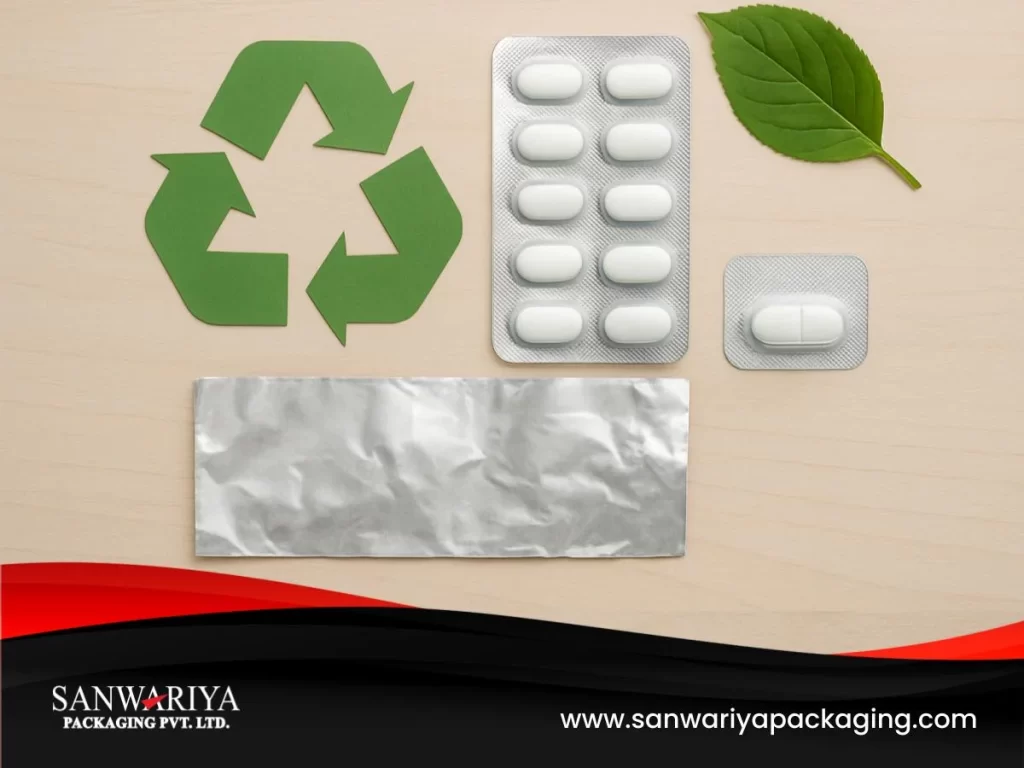
Recyclable aluminum foil used in pharmaceutical packaging

Sustainability has become a pressing concern across industries, and the pharmaceutical sector is no exception. With a growing emphasis on reducing environmental impact, the choice of packaging materials plays a pivotal role in achieving eco-friendly practices.

In this context, aluminum emerges as a game-changer. Its inherent properties not only ensure product safety but also align with global sustainability goals. Packaging, often overlooked, is a critical aspect of the pharmaceutical supply chain, influencing both environmental footprints and regulatory compliance. Let’s explore how aluminum is shaping the future of sustainable pharmaceutical packaging.

Challenges in Sustainable Pharma Packaging

The pharmaceutical industry faces unique challenges in adopting sustainable packaging solutions:

  • Environmental Concerns with Single-Use Plastics: The widespread use of plastics has led to significant environmental pollution, posing a challenge to achieving sustainability.
  • Balancing Performance with Eco-Friendliness: Pharmaceutical packaging demands materials that protect sensitive drugs while minimizing environmental impact.
  • Regulatory Pressures: Stricter regulations are pushing companies to adopt greener solutions that align with international guidelines.

Aluminum as a Sustainable Choice 

Aluminum stands out as an ideal material for sustainable pharmaceutical packaging due to its unique attributes:

A. 100% Recyclability

  • Aluminum can be recycled indefinitely without losing its quality.
  • Recycling aluminum saves up to 95% of the energy required to produce new aluminum.
  • According to global statistics, over 75% of aluminum ever produced is still in use today, highlighting its sustainability.

B. Reduced Carbon Footprint

  • The lightweight nature of aluminum reduces emissions during transportation.
  • Efficient manufacturing processes further enhance its eco-friendly profile.

C. Non-Toxicity

  • Aluminum is an inert material that does not release harmful substances during recycling or disposal, making it safe for both humans and the environment.

Benefits for Pharmaceutical Packaging

Aluminum’s advantages extend beyond sustainability, making it a preferred choice for pharmaceutical packaging:

A. Long Shelf Life = Reduced Waste

  • Aluminum’s superior barrier properties protect drugs from light, moisture, and gases, reducing spoilage.
  • By extending product shelf life, aluminum minimizes pharmaceutical waste.

B. Lightweight and Durable

  • Aluminum’s lightweight nature facilitates easier transportation and handling, lowering carbon emissions.
  • Its durability ensures the safe delivery of drugs even under challenging conditions.

C. Versatility in Applications

  • Aluminum is suitable for various packaging formats, including blister packs, strip packs, and sachets, offering flexibility without compromising on sustainability.

Meeting Global Sustainability Goals

The use of aluminum in pharmaceutical packaging aligns with global sustainability initiatives:

  • Sustainable Development Goals (SDGs): Aluminum supports responsible consumption and production (SDG 12) by promoting recyclability and reducing waste.
  • Compliance with Green Packaging Regulations: Major markets like Europe and North America are increasingly adopting aluminum as a greener alternative to traditional materials.

Innovations in Aluminum Foil Packaging

The evolution of aluminum packaging continues to drive sustainability:

  • Bio-Coatings and Water-Based Inks: These advancements enhance aluminum’s eco-friendliness without compromising its protective properties.
  • Thinner, Stronger Foils: Innovations in manufacturing have led to the development of aluminum foils that use less material while maintaining strength and functionality.

Several pharmaceutical companies are already adopting these innovations, demonstrating the industry’s commitment to sustainability.

Aluminum vs. Other Materials in Sustainability

A comparative analysis highlights aluminum’s edge over other materials:

A. Plastics

  • While versatile, plastics are non-biodegradable and have low recycling rates, contributing significantly to environmental pollution.

B. Glass

  • Glass is recyclable but heavy, leading to higher emissions during transportation.

C. Paper-Based Packaging

  • While eco-friendly, paper-based materials often lack the barrier properties required for pharmaceutical products.

As the pharmaceutical industry navigates the complexities of sustainability, aluminum emerges as a beacon of innovation and responsibility. Its unmatched properties—from recyclability and durability to versatility and non-toxicity—make it a cornerstone of eco-friendly packaging solutions. Aluminum not only meets the stringent requirements of pharmaceutical packaging but also aligns with global efforts to reduce environmental impact.

At Sanwariya Packaging Pvt. Ltd., we are committed to driving sustainability in the pharmaceutical industry. Our high-quality aluminum foils are designed to deliver exceptional performance while supporting eco-friendly practices. With innovative solutions like bio-coatings and security features, we help pharmaceutical companies achieve their packaging goals responsibly. Partner with us to lead the charge toward a greener, safer future.