Blog by Sanwariya Packaging

Your Trusted Partner in Packaging

Learn About Our Vision for the Future And Grow with Us.

Your Trusted Partner in Pharma Packaging

Learn about our vision for the future and grow with us.

Your Trusted Partner
in Pharma Packaging

Learn about our vision for the future and grow with us.

Know More

Tag: Pharmaceutical foils

Counterfiet_medcines

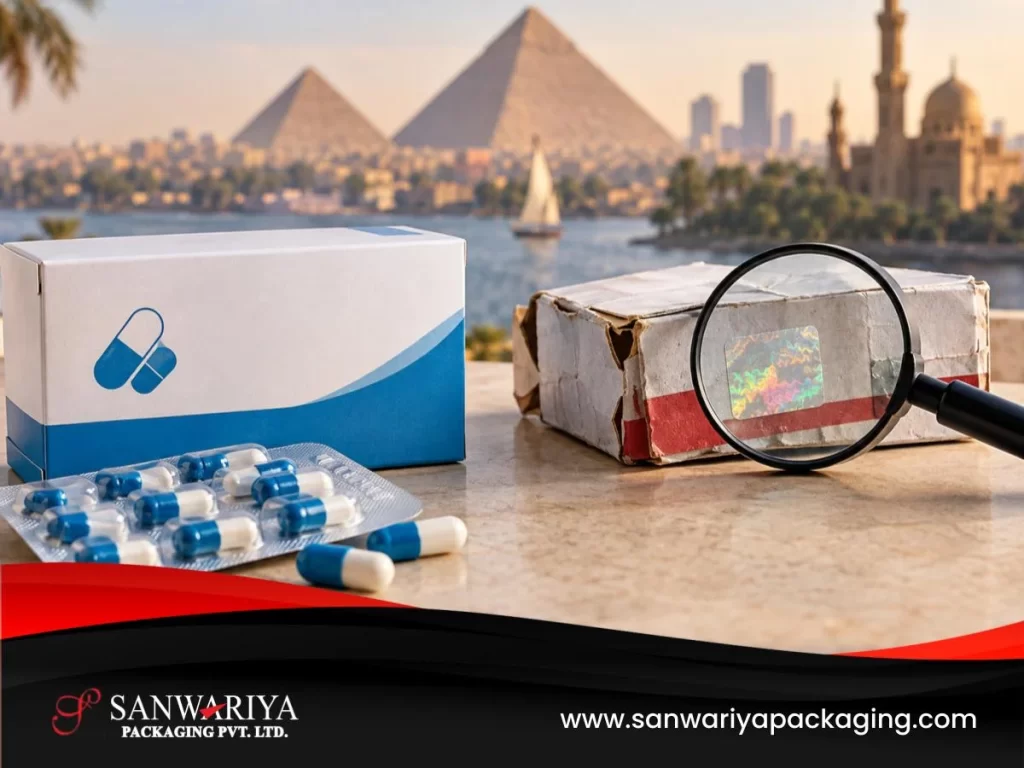
Counterfeit medicines in Egypt are a supply-chain problem, a regulatory problem and a packaging problem all at once. When a falsified product reaches a pharmacy shelf, it can pass for a genuine medicine to almost everyone who handles it. That makes packaging the first thing a counterfeiter copies and the first thing a brand owner must be able to defend.

For pharmaceutical manufacturers, brand owners and regulatory teams, the question is how to make genuine packaging harder to imitate and easier to verify, not only how to detect fakes after the fact.

This blog explains the counterfeit landscape in Egypt, how falsified products enter pharmaceutical supply chains, where packaging is vulnerable, and how secure foil and product identification fit into a broader anti-counterfeit strategy.

Counterfeit medicines in Egypt are best addressed through layered protection: secure primary packaging such as hologram and printed foils, serialization and track-and-trace, controlled distribution, and verification tools that pharmacists and patients can actually use.

Understanding the Counterfeit Medicine Landscape in Egypt

Counterfeit or falsified medicines are products that deliberately misrepresent their identity, composition or source. They may contain no active ingredient, the wrong dose, a different ingredient, or harmful contaminants, while carrying the name and appearance of a trusted brand.

The World Health Organization estimates that at least 1 in 10 medicines in low- and middle-income countries are substandard or falsified. This is an estimate for low- and middle-income countries and should not be interpreted as an Egypt-specific statistic. This is a global or regional estimate and should not be interpreted as an Egypt-specific statistic. Egypt, like other markets with complex pharmaceutical supply chains, continues to strengthen systems designed to improve product identification, traceability and regulatory oversight.

Egypt has also strengthened pharmaceutical traceability through the Egyptian Track & Trace System (EPTTS), overseen by the Egyptian Drug Authority (EDA). Under the Phase 1 technical requirements published in 2026, serialization is mandatory at the secondary-packaging level, with EPTTS requiring a Data Matrix ECC 200 containing key product information such as GTIN, serial number, expiry date and batch/lot. Manufacturers and exporters should verify the latest EDA requirements before finalizing packaging artwork, serialization workflows or security features.

Common risk categories in markets like Egypt include:

  • High-demand chronic and lifestyle medicines
  • Products affected by shortages or price gaps
  • Medicines sold through informal or unverified channels
  • Brands with strong reputations and visible packaging

How Counterfeit Products Enter Pharmaceutical Supply Chains

Counterfeit products rarely arrive through one obvious door. They typically enter wherever visibility is lowest.

Common entry points include:

  • Unauthorized or unlicensed distributors and intermediaries
  • Parallel trade and repackaging outside controlled channels
  • Diversion and re-entry of genuine, expired or returned stock
  • Online sales and informal retail outlets
  • Cross-border movement through less-monitored routes

The longer and more fragmented the supply chain, the more handover points exist where a falsified pack can be swapped in. This is why supply-chain transparency and packaging security have to work together.

Packaging Vulnerabilities That Can Enable Imitation

Counterfeiters are not copying the medicine first. They are copying what people see and trust: the carton, the blister card and the printed foil. Packaging that is easy to reproduce is easy to fake.

Typical packaging vulnerabilities include:

  • Standard printed foil with no unique security feature
  • Simple printing that can be replicated with commercial equipment
  • Cartons and leaflets that can be reproduced more easily than primary packaging
  • Absence of covert or machine-readable identifiers
  • Unclear visual cues that pharmacists and patients cannot easily check

The closer a security feature sits to the medicine itself, the harder it is to remove, reuse or convincingly imitate.

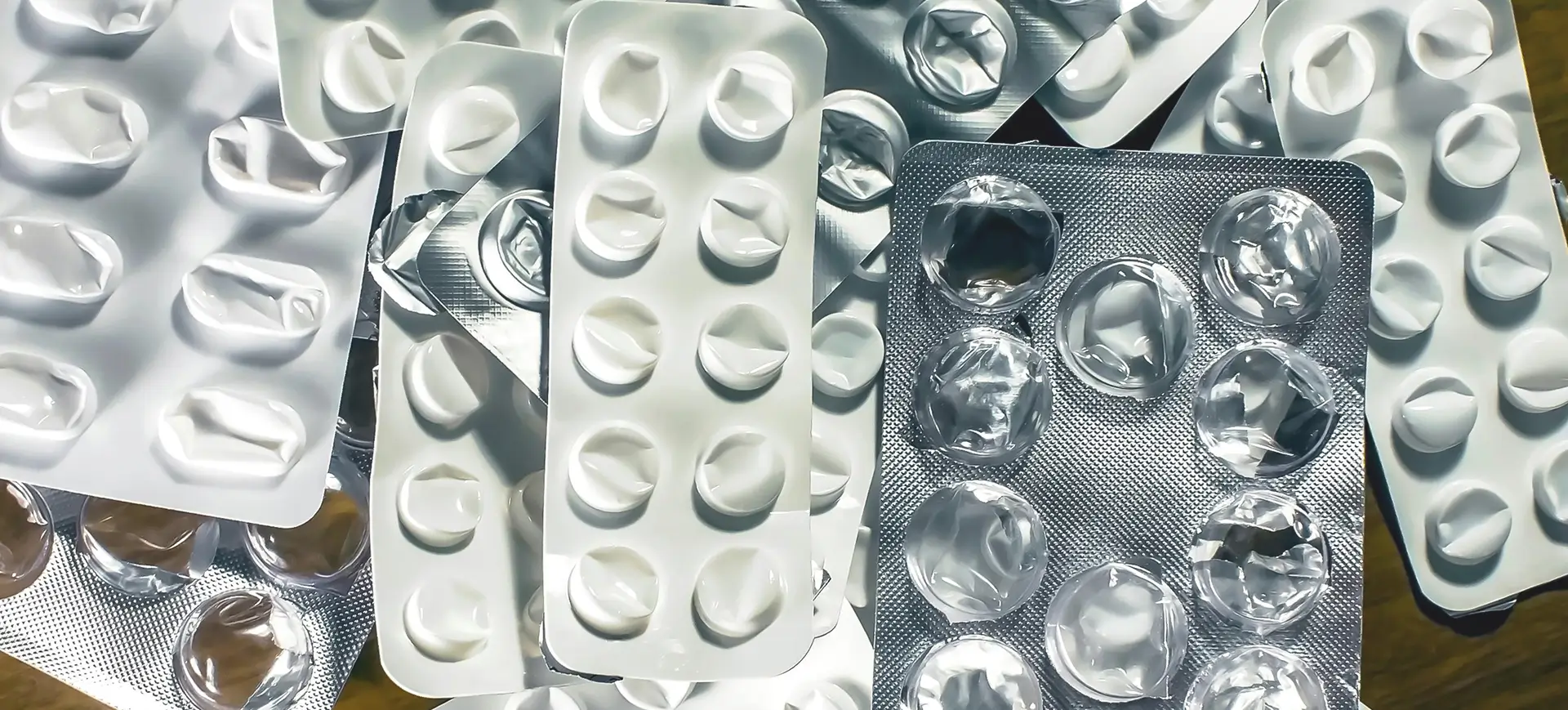
This is why primary packaging, especially the blister foil that directly seals each dose, is an important place to add protection. A carton can be replaced. A foil that carries integrated security features is far harder to duplicate.

Why Authentication and Product Identification Matter

Protection only works if someone can check it. Authentication turns packaging from a passive container into an active line of defense.

Effective authentication generally combines several layers:

  • Overt features: visible to the naked eye, such as holograms and distinctive foil patterns, for quick checks by pharmacists and patients
  • Covert features: hidden marks or inks that trained inspectors or tools can verify
  • Digital identifiers: serialized identifiers such as 2D Data Matrix codes, which can connect individual packs with traceability systems and product information.
  • Batch-level traceability: consistent batch, manufacturing and expiry information that can be cross-checked
A pack that can be identified, traced and verified gives regulators, distributors and patients something concrete to rely on, and gives brand owners evidence when a suspect product is found.

Regulatory and Supply-Chain Considerations

Packaging decisions for the Egyptian market should be made with regulators and the supply chain in mind, not just the artwork team.

Key considerations for manufacturers and exporters include:

  • Alignment with current EDA registration, labeling and EPTTS serialization requirements, including applicable secondary-packaging identification requirements
  • Compatibility of security features with high-speed blister packaging lines
  • Consistent artwork control, including Arabic and multilingual text requirements
  • Documented supplier qualification and quality agreements for packaging materials
  • Coordination between packaging, regulatory, QA/QC and supply-chain teams

Security features must also be practical. A feature that disrupts sealing performance, print registration or line speed will not survive production, however impressive it looks.

The Role of Secure Packaging in a Broader Anti-Counterfeit Strategy

No single feature stops counterfeiting. Secure packaging is one layer in a wider strategy that also includes serialization, distributor control, market surveillance, staff training and cooperation with authorities.

Where packaging contributes most:

  • Deterrence: advanced foil features raise the cost and difficulty of copying
  • Detection: overt and covert features give inspectors and pharmacists a fast way to spot suspect products
  • Protection of integrity: strong, consistent foil structures keep the medicine protected until the moment of use
  • Brand confidence: visible security reassures healthcare professionals and patients
The most effective approach layers these features so that a counterfeiter would have to defeat several at once.

How Sanwariya Packaging Supports Anti-Counterfeit Strategies

Sanwariya Packaging is a manufacturer and exporter of pharmaceutical aluminum foils, both unprinted and printed, built for reliable barrier performance, consistent sealing and stable print quality.

For brand owners concerned about imitation, relevant options include:

Through controlled manufacturing and strict quality processes, Sanwariya works with pharmaceutical companies to develop foil solutions that combine protection, printability and security for demanding export markets.

Ready to strengthen your packaging against counterfeiting? Get in touch with our team or request a quote.


Related Blogs

Packaging needs for new and emerging biologic drugs

Biologic medicines are becoming one of the fastest-growing segments of the pharmaceutical industry. Unlike traditional small-molecule drugs, biologics are complex molecules derived from living systems. They include therapies such as monoclonal antibodies, vaccines, recombinant proteins, and advanced cell-based treatments. 

Because of their molecular complexity, biologics are often highly sensitive to environmental conditions. Factors such as moisture, oxygen, temperature, and light can influence their stability and effectiveness. 

As a result, packaging plays a critical role in protecting biologic medicines throughout manufacturing, storage, and distribution. Selecting the right packaging materials helps maintain product integrity while ensuring compliance with strict regulatory stability requirements. 

Pharmaceutical aluminum foils used in blister and secondary packaging structures can contribute to these protective systems by providing strong barrier performance against moisture and oxygen. 

This blog explores the stability challenges associated with biologic therapies, explains the environmental sensitivities of these molecules, and discusses how foil-based packaging structures can support safe and stable biologic distribution.

Why Biologic Medicines Require Specialized Packaging

Biologics differ significantly from conventional pharmaceutical compounds. Traditional drugs are typically composed of relatively small and chemically stable molecules. In contrast, biologics consist of large, complex protein structures or biological materials that can degrade more easily when exposed to environmental stress.

Because of their structure, biologic products may be sensitive to several external factors.

  • Temperature fluctuations
  • Moisture exposure
  • Oxygen penetration
  • Light exposure
  • Mechanical stress during transportation

Even small environmental variations can alter the molecular structure of a biologic therapy. These changes may reduce therapeutic effectiveness or lead to aggregation, denaturation, or degradation of the active ingredient.

Packaging systems therefore need to maintain a stable protective environment around the product throughout its shelf life.

Stability Challenges in Biologic Formulations

Maintaining stability is one of the most significant challenges in biologic drug development. Protein-based molecules are particularly sensitive to environmental conditions that might not affect traditional pharmaceuticals.

Several stability risks are commonly evaluated during biologic product development.

  • Protein denaturation caused by temperature changes
  • Oxidation reactions triggered by oxygen exposure
  • Moisture-driven degradation in sensitive formulations
  • Structural changes caused by prolonged storage conditions
Biologic medicines are often stored in refrigerated environments and transported through controlled cold-chain systems. However, temperature control alone is not always sufficient. Packaging materials must also protect the product from environmental gases and humidity that may affect long-term stability. 

Barrier packaging therefore plays a supporting role in maintaining product quality.

Sensitivity to Moisture and Oxygen

Moisture and oxygen are two environmental factors that can significantly influence the stability of biologic therapies. Even minimal levels of water vapor or oxygen exposure may accelerate degradation reactions.

Moisture can affect biologic formulations in several ways, like:

  • Hydrolysis reactions that degrade molecular structures
  • Changes in formulation stability
  • Reduced shelf life of sensitive dosage forms

Oxygen exposure can also lead to oxidation reactions that alter protein structure and reduce therapeutic activity. Because of these risks, packaging materials for biologic medicines are often selected based on their ability to provide strong barrier protection against both moisture and oxygen ingress.

Role of Aluminum Foil in Biologic Packaging

Aluminum foil is widely recognized for its exceptional barrier properties. Unlike many plastic materials, aluminum creates a near-complete barrier against moisture, oxygen, and light.

When used in pharmaceutical packaging structures, foil can help maintain a stable environment around sensitive dosage forms.

Key protective properties of aluminum foil include:

  • Extremely low permeability to moisture
  • Strong resistance to oxygen transmission
  • Protection against light exposure
  • Compatibility with blister packaging systems

These characteristics make foil-based materials suitable for packaging certain biologic dosage forms that require enhanced environmental protection.

Foil structures are often used in blister foils or advanced formats such as multi-layer foils where maintaining barrier integrity is essential.

Foil Applications in Biologic Dosage Forms

Although many biologic therapies are packaged in vials, syringes, or cartridges, blister packaging can still play a role in protecting specific dosage formats or associated components.

Examples may include:

  • Unit-dose biologic tablets or capsules containing stabilized biologic compounds
  • Packaging for biologic combination products
  • Protective packaging for diagnostic kits and biologic reagents
  • Secondary packaging layers for sensitive delivery systems

In these applications, aluminum foil lidding materials help prevent environmental exposure while maintaining packaging integrity during storage and distribution.

Packaging development teams evaluate foil structures carefully to ensure compatibility with the product’s stability profile, including the use of cold forming foils where higher barrier protection is required.

Importance of Secondary Packaging Pairing

In many cases, biologic packaging systems rely on a combination of primary and secondary protective layers.

Primary packaging may include containers such as vials, prefilled syringes, or blister cavities that directly hold the product. Secondary packaging then provides an additional protective barrier against environmental stress.

Foil-based materials may be incorporated into these secondary packaging systems to improve overall protection.

Examples of secondary packaging functions include:

  • Providing additional moisture and oxygen barriers
  • Protecting primary containers during transportation
  • Shielding products from light exposure
  • Supporting tamper-evident packaging requirements
Combining primary containers with high-performance secondary packaging helps create a more robust stability system for biologic products.

Cold-Chain Considerations for Biologic Packaging

Many biologic medicines require temperature-controlled transportation to maintain stability. Cold-chain logistics are therefore an essential part of biologic distribution.

However, temperature management alone does not eliminate all stability risks. Environmental exposure during handling, storage, or transportation may still affect product integrity.

Packaging materials used for biologics must therefore perform reliably under cold-chain conditions.

Key considerations may include:

  • Maintaining barrier integrity at low temperatures
  • Preventing moisture ingress during condensation events
  • Maintaining structural stability during refrigerated storage
Foil-based packaging materials are often evaluated for their performance in these conditions to ensure consistent protection throughout the supply chain, supported by robust production systems such as those outlined in the infrastructure.

Regulatory Expectations for Biologic Stability

Regulatory authorities require pharmaceutical companies to demonstrate that biologic products remain stable under recommended storage conditions. Packaging materials must support these stability profiles throughout the product’s approved shelf life.

Regulatory documentation for biologic packaging may include:

  • Stability testing under controlled environmental conditions
  • Validation of packaging barrier properties
  • Documentation of packaging material specifications
  • Compatibility studies between packaging materials and the product

Regulatory agencies expect packaging systems to maintain product integrity during the full lifecycle of the medicine, including manufacturing, transportation, storage, and patient use.

Selecting appropriate barrier materials is therefore an important part of regulatory compliance.

Supporting the Protection of Advanced Therapies

Biologic medicines represent an important advancement in modern healthcare. However, their complex molecular structures require carefully designed packaging systems to maintain stability and effectiveness.

Protection against moisture, oxygen, and environmental stress is essential for maintaining the quality of biologic therapies. Aluminum foil materials can contribute to these protective systems by providing strong barrier performance and compatibility with pharmaceutical packaging technologies.

By combining appropriate primary containers with reliable secondary packaging structures, pharmaceutical companies can create packaging systems that help safeguard biologic medicines throughout global distribution.

Sanwariya Packaging manufactures pharmaceutical aluminum foils designed to provide consistent barrier protection, reliable sealing performance, and compatibility with modern pharmaceutical packaging systems. With controlled manufacturing processes and advanced capabilities supported by its infrastructure, Sanwariya Packaging supports pharmaceutical companies developing packaging solutions that help maintain the stability of sensitive medicines during storage and international distribution.

For further discussions or requirements, you can get in touch with us or directly request a quote.

How Printing Technology Impacts Pharma Packaging Efficiency

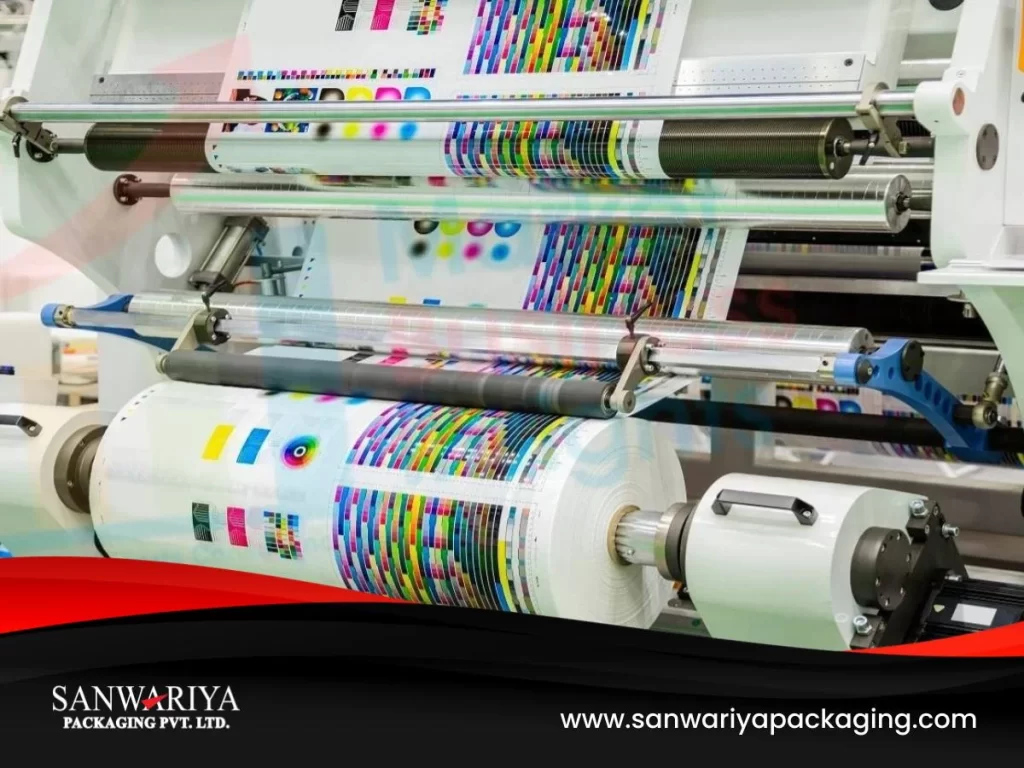
In pharmaceutical packaging, the quality of print is directly tied to patient safety and regulatory success. Whether it’s batch numbers, expiry dates, or serialized codes—accuracy, legibility, and durability are non-negotiable. As the industry prioritizes compliance, efficiency, and traceability, choosing the right printing method becomes a strategic decision.

This article compares gravure and flexo printing technologies in the context of pharmaceutical packaging, helping quality assurance teams and decision-makers understand which approach best supports regulatory alignment, operational efficiency, and packaging performance.

1. Why Printing Matters in Pharma Packaging

Printing isn’t just visual—it’s functional. In regulated markets, it ensures:

  • Traceability: Serialization codes and data matrix elements meet DSCSA, EU FMD, and other global standards.
  • Patient Safety: Clear dosage instructions, expiry dates, and warning texts help prevent medication errors.
  • Audit Preparedness: High print fidelity ensures packaging withstands scrutiny from inspectors and regulators.
Packaging errors caused by smudged ink, unreadable text, or inconsistent colors can trigger batch recalls, compliance flags, or market rejections—resulting in financial and reputational loss.

2. Gravure vs. Flexo

FeatureGravure PrintingFlexo Printing
Print PrecisionSuperior for fine details, ideal for small fonts & barcodesAdequate for bold text and graphics
Setup & SpeedLonger setup, but highly efficient for large volumesQuick setup, efficient for short runs
Color AccuracyConsistent over long print runsMay show drift over extended runs
Cost StructureHigher upfront investmentLower initial costs, flexible for smaller batches
Material CompatibilityExcellent with aluminum foil and multi-layer laminatesPerforms well on paper and flexible film
Best Use in PharmaIdeal for high-security primary packagingSuitable for labels and secondary packaging

3. Gravure: The Gold Standard in Pharma Packaging

Gravure printing is engineered for high-volume, high-precision pharmaceutical applications, especially for aluminum foil substrates used in blister and strip packaging.

Key Benefits:

  • Microtext & Serialization: Maintains sharpness even at high speeds for compliant traceability codes.
  • Security Features: Supports reverse-side printing, invisible inks, and tamper-evident designs to prevent counterfeiting.
  • Durability: Ink adhesion on foil resists heat, light, and moisture—essential for global distribution.

Advanced Gravure Capabilities at Sanwariya Packaging:

At Sanwariya, we take gravure a step further with:

  • Multicolor Specialized Printing: Delivering exceptional color depth and consistency for brand-critical pharma packs.
  • Front-Back Online Printing: Simultaneous double-sided printing enhances efficiency and counterfeit resistance.
  • Special Varnish Printing: Provides extra abrasion resistance and visual appeal with medical-grade coatings.
  • NC-Free (Nitrocellulose-Free) Inks: Sustainable, low-VOC formulations that align with stringent international regulations.
Manufacturers using Sanwariya gravure solutions have reported 30–35% fewer print-related deviations, reduced label mix-ups, and improved scanner-read rates during serialization audits.

4. When Flexo Works Best

While gravure dominates high-security pharma packaging, flexo offers advantages in specific scenarios:

  • Short Runs or Customization: Ideal for pilot batches, marketing samples, or region-specific products.
  • Secondary Packaging: Works well on carton boxes, labels, and pouches where ultra-fine detail is not critical.
  • Speed-to-Market: Quick setup supports rapid design iterations and faster go-to-market timelines.
For pharma companies balancing cost and flexibility, flexo is a practical solution for non-critical packaging layers.

Invest in the Right Print Technology for Long-Term Gains

In the race to stay compliant, efficient, and secure, printing technology is a core enabler of pharmaceutical packaging success.

  • Gravure printing, with its unmatched precision and ability to integrate multilayered security, is ideal for primary pharma packaging.
  • Flexo printing, on the other hand, supports agility and cost efficiency in secondary layers or short-run needs.

Partner with Sanwariya Packaging for Compliance-Driven Innovation

At Sanwariya Packaging, we specialize in gravure-printed aluminum foils tailored for pharmaceutical applications. Our solutions meet the highest global standards for clarity, compliance, and performance.

We help brands:

  • Enhance packaging precision
  • Strengthen serialization integrity
  • Combat counterfeiting with advanced print features
  • Improve sustainability with NC-free, eco-conscious inks

Let’s Raise Your Print Quality and Lower Your Compliance Risk

If your team is evaluating printing technologies, speak with experts who understand the regulatory, operational, and security needs of the global pharma sector.

Let’s talk about how we can future-proof your packaging with the right print solution.