Pharmaceutical packaging must ensure that medicines remain stable, effective, and safe throughout their lifecycle. Among the most widely used formats, blister and strip packaging rely heavily on one critical factor: seal integrity.
While sealing performance is influenced by multiple variables, one of the most decisive factors is the quality and consistency of the aluminum foil used.
If seals are compromised due to material inconsistencies or poor coating performance, moisture, oxygen, or contaminants can enter the pack—leading to product degradation well before expiry. For pharmaceutical manufacturers, this directly impacts product quality, compliance, and market reputation.
This article focuses on how foil properties and sealing compatibility drive seal integrity in blister and strip packaging.
Why Seal Integrity Is a Material-Driven Parameter
Both blister and strip packaging depend on sealed structures for protection.
Blister Packaging
- Forming film (PVC or similar)
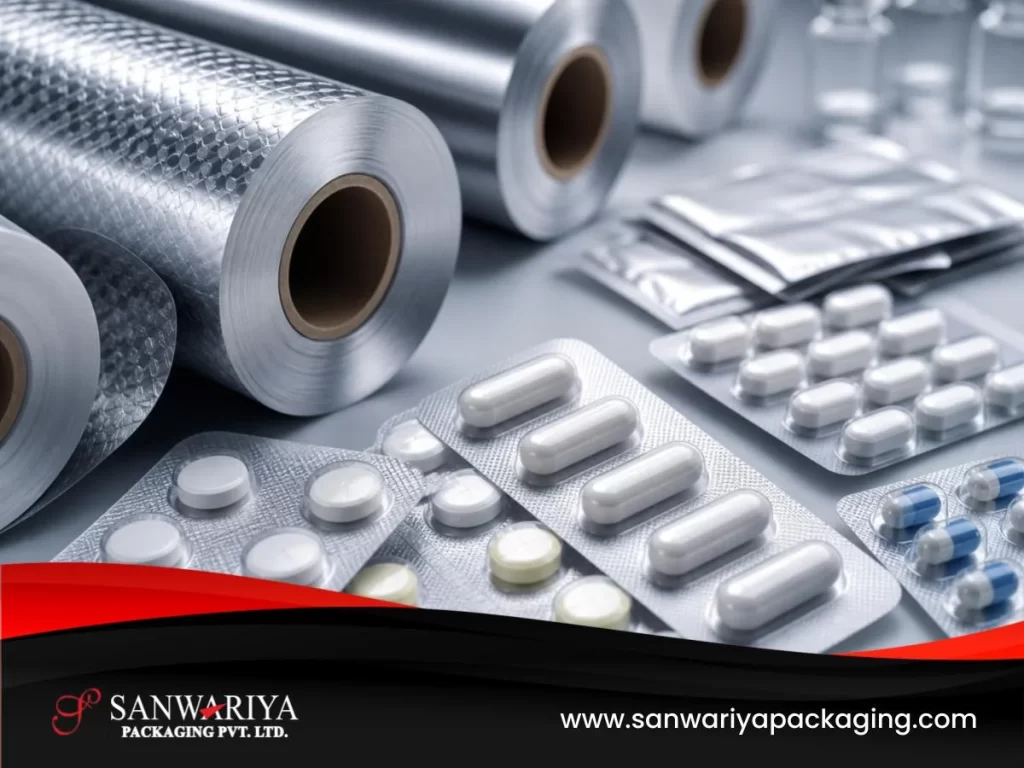
- Aluminum lidding foil with heat-seal coating
Strip Packaging
- Laminated aluminum foils (with polymer layers such as LDPE)
In both cases, the seal is only as reliable as the material interface between layers.
Even when sealing parameters are optimized, poor foil quality can lead to:
- inconsistent bonding
- micro-leakage paths
- reduced barrier performance
- variability across production batches
For sensitive pharmaceutical formulations, such inconsistencies can result in stability failures and compliance risks.
Seal Strength in Blister Packaging
Blister packaging uses non-peelable seals, where the lidding foil is bonded permanently to the forming film.
The performance of this seal depends largely on the heat-seal coating applied to the aluminum foil.
Critical material-driven factors include:
- uniform coating thickness across the foil surface
- consistent adhesion properties with the forming film
- resistance to channel formation or weak spots
- compatibility with different blister substrates (PVC, PVDC, etc.)
Unlike strip packaging, the seal is not designed to be peeled. Instead, it must maintain integrity until the product is accessed via push-through.
Peel Strength in Strip (Laminated) Packaging
Peel strength is a relevant parameter in strip packaging, where laminated foil structures are used.
In these systems, aluminum foil is combined with polymer layers (such as LDPE), enabling controlled peel-open functionality.
Peel strength depends on:
- the lamination quality between layers
- the polymer composition and thickness
- the consistency of bonding across the laminate
A well-designed laminate ensures:
- secure sealing during storage and transport
- predictable and user-friendly opening
This parameter is specific to laminated strip foils and does not apply to standard blister lidding foils.
Key Foil Properties That Influence Seal Integrity
Seal integrity is highly dependent on the following foil characteristics:
1. Heat-Seal Coating Consistency
The coating layer must be uniform and precisely controlled.
Variations can lead to:
- uneven sealing
- weak bond areas
- increased risk of leakage
2. Coating–Substrate Compatibility
The coating formulation must match the forming film or laminate structure.
Incorrect compatibility may result in:
- poor adhesion
- seal failure under stress
3. Foil Surface Quality
Surface defects such as pinholes, contamination, or irregularities can compromise sealing.
High-quality foils ensure:
- clean, defect-free surfaces
- reliable contact during sealing
4. Barrier Properties
Aluminum foil must provide a strong barrier against:
- moisture
- oxygen
- light
Any compromise in barrier integrity increases product vulnerability.
Seal Integrity Testing from a Material Perspective
While testing is performed at the packaging level, results often reflect material performance.
1. Seal Strength Testing (Blister)
Evaluates the bond quality achieved by the foil coating with the forming film.
2. Peel Strength Testing (Strip Packaging)
Measures the separation force in laminated structures, indicating lamination consistency.
3. Dye Penetration & Leak Testing
Helps identify micro-defects that may originate from:
- coating inconsistency
- surface imperfections
- material variability
These tests are essential for validating both material selection and supplier consistency.
Common Material-Related Causes of Seal Failure
Many seal failures originate from foil-related issues rather than process errors:
- inconsistent heat-seal coating application
- poor coating adhesion properties
- variation between production batches
- surface contamination or defects
- inadequate lamination quality (in strip foils)
Selecting a reliable foil supplier with controlled manufacturing processes significantly reduces these risks.
Regulatory Expectations
Regulatory authorities expect pharmaceutical companies to ensure that packaging materials consistently meet defined performance standards.
This includes:
- qualification of packaging materials
- validation of sealing performance
- documentation of material specifications
Foil quality, coating consistency, and supplier reliability are therefore critical components of regulatory compliance.
Role of High-Quality Foils in Packaging Reliability
Consistent seal integrity is not achieved by process control alone—it requires high-quality, precisely engineered aluminum foils.
Pharmaceutical-grade foils should offer:
- uniform heat-seal coating
- reliable bonding performance
- excellent barrier protection
- batch-to-batch consistency
These attributes enable stable sealing performance across high-speed production lines and global supply chains.
Strengthening Seal Integrity Through Material Excellence
Seal integrity is a fundamental requirement in pharmaceutical packaging. While sealing parameters and equipment play a role, material quality—especially aluminum foil performance—is a primary driver of reliability.
By selecting the right foil structures, ensuring coating compatibility, and maintaining strict quality standards, manufacturers can significantly reduce packaging risks.
Strong seal integrity helps:
- protect product stability
- minimize recalls and complaints
- meet global regulatory requirements
- ensure patient safety
Sanwariya Packaging supports these outcomes by supplying pharmaceutical aluminum foils designed for consistent coating performance, reliable sealing compatibility, and high barrier protection. With controlled manufacturing processes and strict quality standards, Sanwariya Packaging enables pharmaceutical companies to achieve dependable packaging performance at scale.