Blog by Sanwariya Packaging

Your Trusted Partner in Packaging

Learn About Our Vision for the Future And Grow with Us.

Your Trusted Partner in Pharma Packaging

Learn about our vision for the future and grow with us.

Your Trusted Partner
in Pharma Packaging

Learn about our vision for the future and grow with us.

Know More

Tag: Aluminum Foil

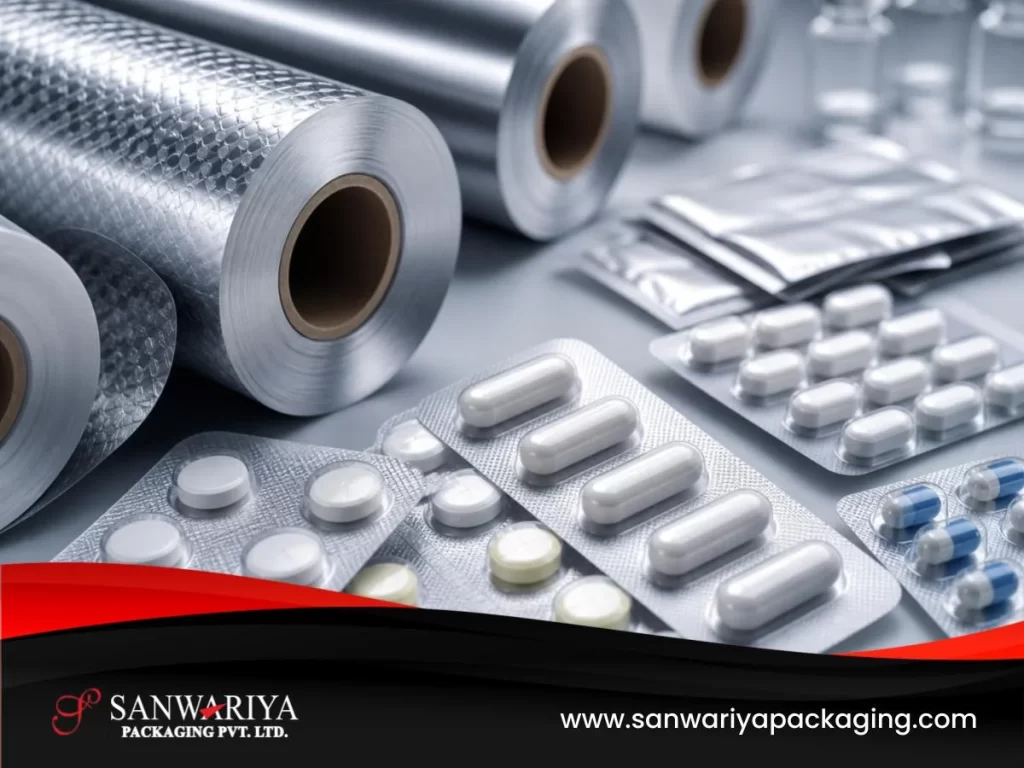
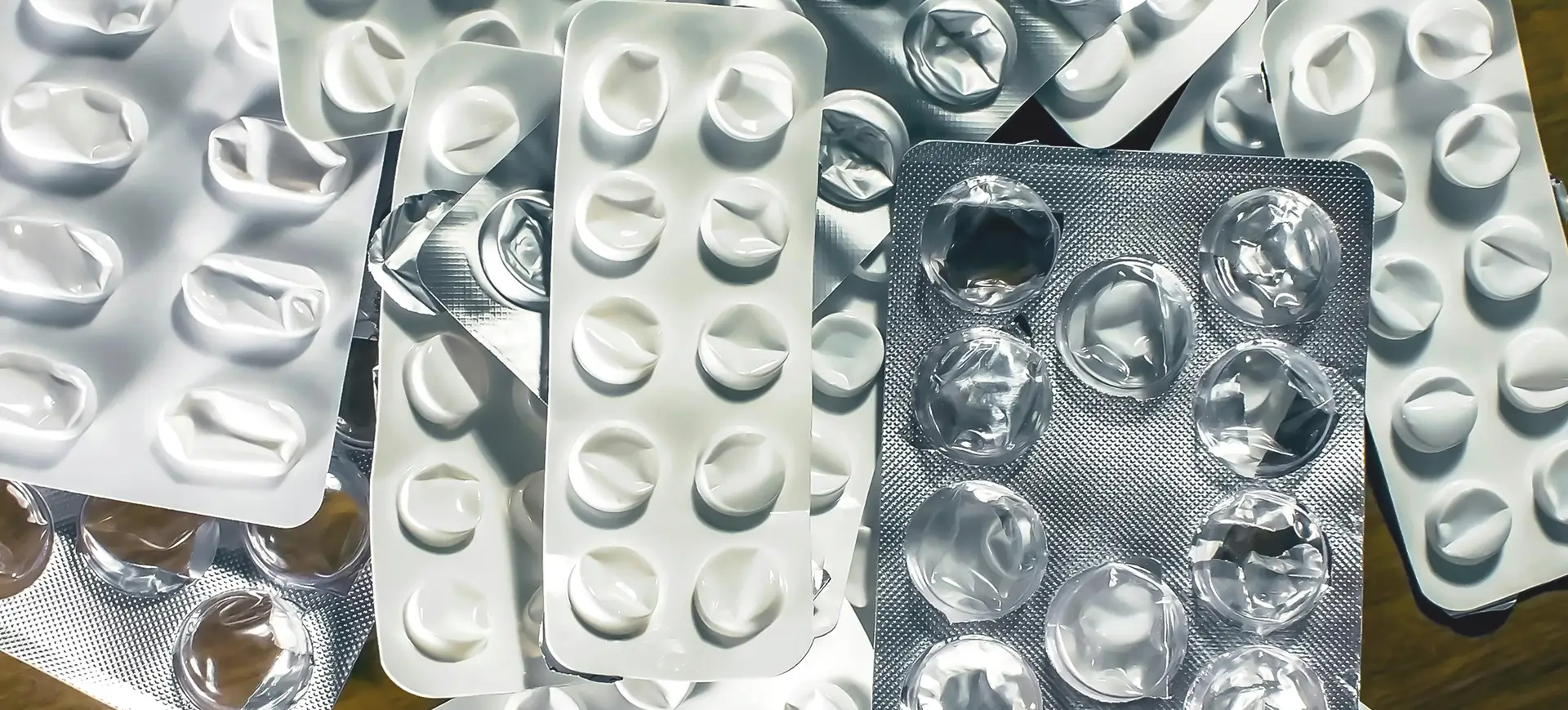
Pharmaceutical blister packs and aluminum foil rolls used for seal integrity in packaging

Pharmaceutical packaging must ensure that medicines remain stable, effective, and safe throughout their lifecycle. Among the most widely used formats, blister and strip packaging rely heavily on one critical factor: seal integrity.

While sealing performance is influenced by multiple variables, one of the most decisive factors is the quality and consistency of the aluminum foil used.

If seals are compromised due to material inconsistencies or poor coating performance, moisture, oxygen, or contaminants can enter the pack—leading to product degradation well before expiry. For pharmaceutical manufacturers, this directly impacts product quality, compliance, and market reputation.

This article focuses on how foil properties and sealing compatibility drive seal integrity in blister and strip packaging.

Why Seal Integrity Is a Material-Driven Parameter

Both blister and strip packaging depend on sealed structures for protection.

Blister Packaging

  • Forming film (PVC or similar)
  • Aluminum lidding foil with heat-seal coating

Strip Packaging

  • Laminated aluminum foils (with polymer layers such as LDPE)

In both cases, the seal is only as reliable as the material interface between layers.

Even when sealing parameters are optimized, poor foil quality can lead to:

  • inconsistent bonding
  • micro-leakage paths
  • reduced barrier performance
  • variability across production batches
For sensitive pharmaceutical formulations, such inconsistencies can result in stability failures and compliance risks.

Seal Strength in Blister Packaging

Blister packaging uses non-peelable seals, where the lidding foil is bonded permanently to the forming film.

The performance of this seal depends largely on the heat-seal coating applied to the aluminum foil.

Critical material-driven factors include:

  • uniform coating thickness across the foil surface
  • consistent adhesion properties with the forming film
  • resistance to channel formation or weak spots
  • compatibility with different blister substrates (PVC, PVDC, etc.)

Unlike strip packaging, the seal is not designed to be peeled. Instead, it must maintain integrity until the product is accessed via push-through.

Peel Strength in Strip (Laminated) Packaging

Peel strength is a relevant parameter in strip packaging, where laminated foil structures are used.

In these systems, aluminum foil is combined with polymer layers (such as LDPE), enabling controlled peel-open functionality.

Peel strength depends on:

  • the lamination quality between layers
  • the polymer composition and thickness
  • the consistency of bonding across the laminate

A well-designed laminate ensures:

  • secure sealing during storage and transport
  • predictable and user-friendly opening
This parameter is specific to laminated strip foils and does not apply to standard blister lidding foils.

Key Foil Properties That Influence Seal Integrity

Seal integrity is highly dependent on the following foil characteristics:

1. Heat-Seal Coating Consistency

The coating layer must be uniform and precisely controlled.

Variations can lead to:

  • uneven sealing
  • weak bond areas
  • increased risk of leakage

2. Coating–Substrate Compatibility

The coating formulation must match the forming film or laminate structure.

Incorrect compatibility may result in:

  • poor adhesion
  • seal failure under stress

3. Foil Surface Quality

Surface defects such as pinholes, contamination, or irregularities can compromise sealing.

High-quality foils ensure:

  • clean, defect-free surfaces
  • reliable contact during sealing

4. Barrier Properties

Aluminum foil must provide a strong barrier against:

  • moisture
  • oxygen
  • light

Any compromise in barrier integrity increases product vulnerability.

Seal Integrity Testing from a Material Perspective

While testing is performed at the packaging level, results often reflect material performance.

1. Seal Strength Testing (Blister)

Evaluates the bond quality achieved by the foil coating with the forming film.

2. Peel Strength Testing (Strip Packaging)

Measures the separation force in laminated structures, indicating lamination consistency.

3. Dye Penetration & Leak Testing

Helps identify micro-defects that may originate from:

  • coating inconsistency
  • surface imperfections
  • material variability

These tests are essential for validating both material selection and supplier consistency.

Common Material-Related Causes of Seal Failure

Many seal failures originate from foil-related issues rather than process errors:

  • inconsistent heat-seal coating application
  • poor coating adhesion properties
  • variation between production batches
  • surface contamination or defects
  • inadequate lamination quality (in strip foils)
Selecting a reliable foil supplier with controlled manufacturing processes significantly reduces these risks.

Regulatory Expectations

Regulatory authorities expect pharmaceutical companies to ensure that packaging materials consistently meet defined performance standards.

This includes:

  • qualification of packaging materials
  • validation of sealing performance
  • documentation of material specifications

Foil quality, coating consistency, and supplier reliability are therefore critical components of regulatory compliance.

Role of High-Quality Foils in Packaging Reliability

Consistent seal integrity is not achieved by process control alone—it requires high-quality, precisely engineered aluminum foils.

Pharmaceutical-grade foils should offer:

  • uniform heat-seal coating
  • reliable bonding performance
  • excellent barrier protection
  • batch-to-batch consistency

These attributes enable stable sealing performance across high-speed production lines and global supply chains.

Strengthening Seal Integrity Through Material Excellence

Seal integrity is a fundamental requirement in pharmaceutical packaging. While sealing parameters and equipment play a role, material quality—especially aluminum foil performance—is a primary driver of reliability.

By selecting the right foil structures, ensuring coating compatibility, and maintaining strict quality standards, manufacturers can significantly reduce packaging risks.

Strong seal integrity helps:

  • protect product stability
  • minimize recalls and complaints
  • meet global regulatory requirements
  • ensure patient safety

Sanwariya Packaging supports these outcomes by supplying pharmaceutical aluminum foils designed for consistent coating performance, reliable sealing compatibility, and high barrier protection. With controlled manufacturing processes and strict quality standards, Sanwariya Packaging enables pharmaceutical companies to achieve dependable packaging performance at scale.

The Science of Barrier Protection: Why Aluminum Foil Works

In hot and humid regions like Latin America, Asia, and Africa, medicines can lose up to 30% of their potency within weeks if not packaged correctly. This isn’t just a patient safety issue — it can lead to failed stability tests, regulatory delays, costly recalls, and damaged brand reputation.

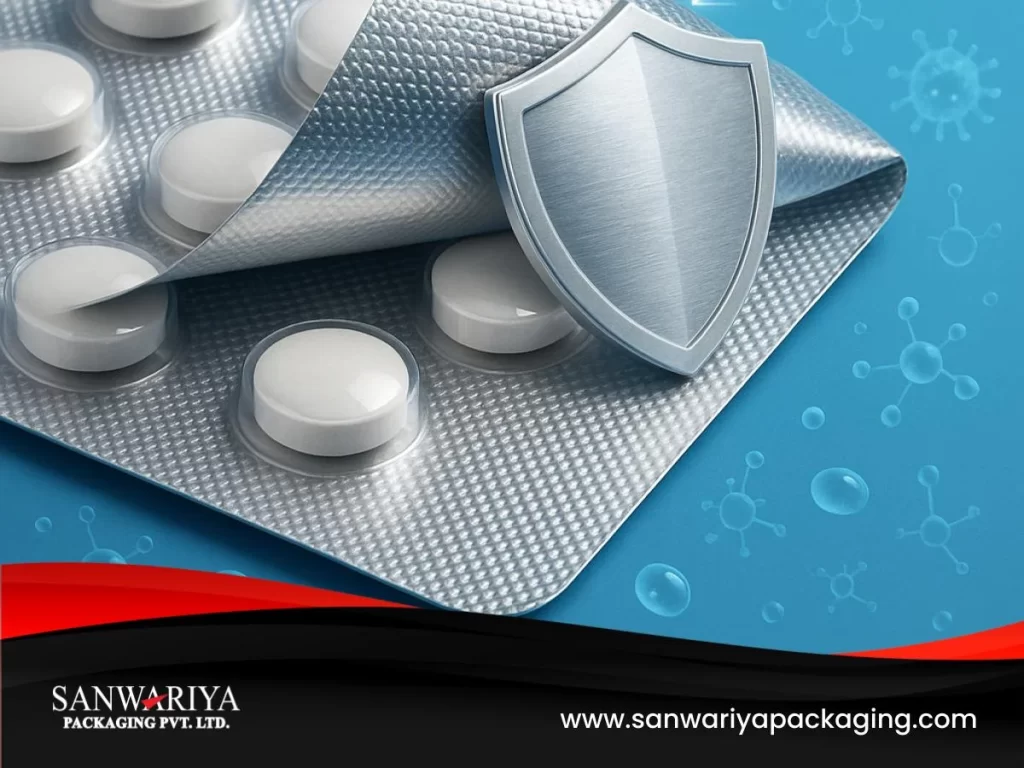
That’s why aluminum barrier foil is more than just packaging. It is the pharmaceutical industry’s most reliable safeguard against moisture, oxygen, light, and contamination — all factors that can shorten a drug’s shelf life or compromise its effectiveness.

Barrier protection is a material’s ability to shield medicines from environmental threats. Without it, even well-formulated drugs can degrade. The key elements barrier foil protects against include:

  • Moisture: It can trigger chemical breakdown, microbial growth, or active ingredient loss.
  • Oxygen: It can cause oxidation, reducing the drug’s potency.
  • Light: UV and visible light can destabilize sensitive drugs like vitamins, hormones, and antibiotics.
  • Contaminants: Dust and airborne particles can compromise sterility and safety.

These risks are magnified in countries classified as ICH Climatic Zones III and IV (hot and humid regions) under global stability guidelines. The International Council for Harmonisation (ICH) sets strict testing standards for medicines in these zones. Meeting these standards often requires high-performance aluminum barrier foil to ensure products stay stable and pass regulatory reviews.

Aluminum foil outperforms plastics like PVC or PVDC in nearly every key metric, providing unmatched barrier protection and regulatory reliability.

PropertyAluminum FoilPVC/PVDC Film
Moisture BarrierExcellent (WVTR < 0.01)Moderate (WVTR ~0.2–0.5)
Oxygen BarrierExcellentLow
Light Barrier100% ProtectionPartial
Chemical InertnessNon-reactiveMay leach under stress
RecyclabilityHighLow

Because it is non-reactive and chemically stable, aluminum is ideal for protecting moisture-sensitive, pH-sensitive, and light-sensitive drugs, ensuring they remain safe and effective until the end of their shelf life.

Where Barrier Foil Makes the Most Impact

  • Alu-Alu Blisters – Maximum barrier for highly sensitive tablets like antibiotics and blood pressure medicines.
  • PVC-Alu Blisters – A balanced, cost-effective solution for moderate protection needs.
  • Strip Packs – Ideal for powders, dispersible tablets, and single-dose products.
  • Sachets – Perfect for granules requiring airtight sealing.

The Business Case for Barrier Foil

1. Extended Shelf Life

Barrier foil helps products pass both real-time and accelerated stability tests, even in ICH Zone IV conditions, ensuring medicines remain effective until they reach patients worldwide.

2. Global Regulatory Compliance

Aluminum foil meets packaging standards from leading authorities, including:

  • US FDA
  • EMA (Europe)
  • TGA (Australia)
  • WHO Prequalification Programs

3. Using aluminum foil simplifies approvals and avoids packaging-related audit issues when entering multiple international markets.

4. Reduced Risk and Cost

By preventing degradation, foil packaging helps cut down on:

  • Stability failures
  • Recalls and returns
  • Customer complaints and brand damage

5. The result:

Lower quality costs and stronger market reputation.

To make sure your packaging performs as expected, every pharmaceutical company should:

  • Verify the foil’s moisture and oxygen transmission rates (WVTR and OTR).
  • Choose the right laminate structure (PET, PE, lacquer layers) for the product’s sensitivity.
  • Test sealing strength at the intended thickness and processing temperatures.
  • Conduct ICH-compliant stability studies under real-time and accelerated conditions.
  • Even a high-quality formulation can fail a stability study if the foil isn’t matched to the product or climate.

The pharmaceutical industry is moving toward solutions that balance performance, sustainability, and security, including:

  • Recyclable, ultra-thin aluminum foils that cut down on material waste.
  • Bio-based adhesives and coatings for greener laminate structures.
  • Smart foils with built-in tamper indicators, authentication features, and digital tracking via QR or NFC codes.
These advancements help manufacturers stay compliant while meeting growing environmental and anti-counterfeit demands.

In pharmaceuticals, packaging isn’t just a wrapper — it’s the final shield that protects your product, your brand, and ultimately, the patient. Aluminum barrier foil remains the most trusted and proven material for ensuring drug stability, safety, and compliance worldwide.

Whether your medicines face harsh climates, light sensitivity, or strict regulatory scrutiny, choosing the right barrier foil can protect your investment and reputation.

Let’s Talk Protection You Can Count On

At Sanwariya Packaging, we deliver science-backed, customized aluminum foil solutions that help pharmaceutical companies achieve stability, compliance, and market confidence.

Contact our technical team today for guidance or request a free barrier foil sample to see how we can protect what matters most — your product and your patients.

Choosing the Right Aluminum Foil for Pharma Packaging

Pharmaceutical packaging is more than a protective cover—it’s a critical layer that ensures drug stability, prevents contamination, and meets rigorous global standards. Among various materials, aluminum foil stands out as the gold standard for its exceptional barrier protection, durability, and compliance.

Selecting the right pharmaceutical-grade aluminum foil is essential for maintaining product integrity, extending shelf life, and safeguarding against counterfeiting. In this blog, we’ll explore the essential considerations, industry challenges, and innovative trends driving the future of pharma foil packaging.

Why Aluminum Foil Is a Cornerstone of Pharma Packaging

Aluminum foil provides unmatched protection compared to plastic or paper-based alternatives. Here’s why it remains the material of choice:

  • Total Barrier Protection: Blocks moisture, oxygen, UV light, and contaminants to prevent drug degradation.
  • Extended Shelf Life: Preserves potency of tablets, capsules, and powders over time.
  • Anti-Counterfeit Features: Enables integration of holograms, tamper-evident layers, and serialization.
  • Regulatory Compliance: Approved by FDA, EMA, TGA, WHO, and other global bodies.

From blister packs to cold-form solutions, aluminum foil plays a vital role in maintaining the quality and security of pharmaceutical products.

Types of Pharmaceutical-Grade Aluminum Foil

Different drug formulations demand tailored packaging. The most widely used foils in the industry include:

  • Blister Foil (Push-Through): Soft foil laminated with heat-sealing lacquer for tablets and capsules.
  • Cold-Form Foil (Alu-Alu): Multi-layer, high-barrier foil ideal for moisture-sensitive formulations.
  • Strip Foil: Delivers complete seal integrity for unit-dose formats.
  • Child-Resistant Foil: Built with added safety features to prevent accidental ingestion.
  • Paper-Aluminum Laminate: Used in sachets and pouches for powders and granules.

Choosing the right type ensures efficient packaging, safety compliance, and maximum protection.

What to Look for When Choosing Aluminum Foil

Making the wrong packaging choice can result in product spoilage, regulatory issues, or consumer safety risks. Key factors to evaluate include:

  • Barrier Properties: High-barrier foils that resist moisture, oxygen, and UV exposure.
  • Drug Compatibility: Specialized coatings for APIs that may interact with packaging materials.
  • Heat-Seal Strength: Essential for leak-proof blister and strip packs.
  • Anti-Counterfeit Enhancements: Options like holographic layers, QR codes, or serialization.
  • Sustainability: Eco-conscious materials such as recyclable foils and solvent-free coatings.

Addressing Industry Challenges in Foil Packaging

Challenge 1: Cost vs. Quality

  • Issue: Premium foils raise production costs.
  • Solution: Leverage bulk sourcing, long-term supplier partnerships, and material efficiency strategies.

Challenge 2: Navigating Global Regulations

  • Issue: Differing international standards (FDA, EMA, TGA) complicate compliance.
  • Solution: Partner with GMP-certified suppliers offering pre-approved, compliant foils.

Challenge 3: Combating Counterfeits

  • Issue: Fake medications threaten patient safety.
  • Solution: Use high-security foils with tamper-evidence, serialization, and digital traceability.

Emerging Trends in Pharmaceutical Foil Packaging

The future of pharmaceutical packaging is being reshaped by innovation. Key trends include:

  • Nano-Coated Foils – Ultra-high barrier protection against moisture, gases, and chemicals.
  • Smart Packaging – Integration of NFC chips and sensors for real-time product monitoring.
  • Sustainable Foils – Eco-friendly alternatives like biodegradable or fully recyclable aluminum.

By 2030, over 70% of pharmaceutical companies are expected to adopt smart and sustainable packaging systems.

Partner with Sanwariya Packaging for Excellence

Choosing the right aluminum foil isn’t just a technical decision—it’s a strategic one. From ensuring compliance and safety to enhancing brand trust, your packaging partner plays a pivotal role.

At Sanwariya Packaging, we offer a complete range of pharmaceutical-grade aluminum foils tailored for your unique needs. Whether you’re seeking high-barrier cold-form foils, custom anti-counterfeit solutions, or eco-friendly alternatives, we’re here to help you protect your products and your reputation.

Ready to upgrade your pharma packaging?

Let’s talk. Contact us today to explore how Sanwariya Packaging can help you stay ahead in an evolving industry.