Biologic medicines are becoming one of the fastest-growing segments of the pharmaceutical industry. Unlike traditional small-molecule drugs, biologics are complex molecules derived from living systems. They include therapies such as monoclonal antibodies, vaccines, recombinant proteins, and advanced cell-based treatments.
Because of their molecular complexity, biologics are often highly sensitive to environmental conditions. Factors such as moisture, oxygen, temperature, and light can influence their stability and effectiveness.
As a result, packaging plays a critical role in protecting biologic medicines throughout manufacturing, storage, and distribution. Selecting the right packaging materials helps maintain product integrity while ensuring compliance with strict regulatory stability requirements.
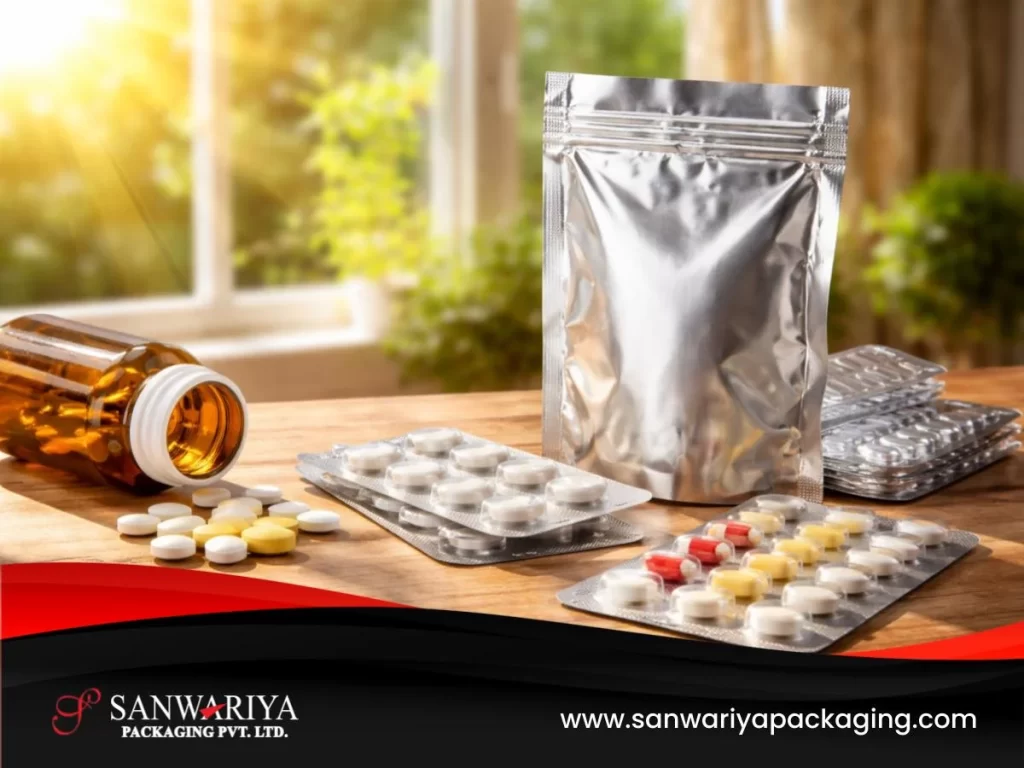
Pharmaceutical aluminum foils used in blister and secondary packaging structures can contribute to these protective systems by providing strong barrier performance against moisture and oxygen.
This blog explores the stability challenges associated with biologic therapies, explains the environmental sensitivities of these molecules, and discusses how foil-based packaging structures can support safe and stable biologic distribution.
Why Biologic Medicines Require Specialized Packaging
Biologics differ significantly from conventional pharmaceutical compounds. Traditional drugs are typically composed of relatively small and chemically stable molecules. In contrast, biologics consist of large, complex protein structures or biological materials that can degrade more easily when exposed to environmental stress.
Because of their structure, biologic products may be sensitive to several external factors.
- Temperature fluctuations
- Moisture exposure
- Oxygen penetration
- Light exposure
- Mechanical stress during transportation
Even small environmental variations can alter the molecular structure of a biologic therapy. These changes may reduce therapeutic effectiveness or lead to aggregation, denaturation, or degradation of the active ingredient.
Packaging systems therefore need to maintain a stable protective environment around the product throughout its shelf life.
Stability Challenges in Biologic Formulations
Maintaining stability is one of the most significant challenges in biologic drug development. Protein-based molecules are particularly sensitive to environmental conditions that might not affect traditional pharmaceuticals.
Several stability risks are commonly evaluated during biologic product development.
- Protein denaturation caused by temperature changes
- Oxidation reactions triggered by oxygen exposure
- Moisture-driven degradation in sensitive formulations
- Structural changes caused by prolonged storage conditions
Biologic medicines are often stored in refrigerated environments and transported through controlled cold-chain systems. However, temperature control alone is not always sufficient. Packaging materials must also protect the product from environmental gases and humidity that may affect long-term stability.

Barrier packaging therefore plays a supporting role in maintaining product quality.
Sensitivity to Moisture and Oxygen
Moisture and oxygen are two environmental factors that can significantly influence the stability of biologic therapies. Even minimal levels of water vapor or oxygen exposure may accelerate degradation reactions.
Moisture can affect biologic formulations in several ways, like:
- Hydrolysis reactions that degrade molecular structures
- Changes in formulation stability
- Reduced shelf life of sensitive dosage forms
Oxygen exposure can also lead to oxidation reactions that alter protein structure and reduce therapeutic activity. Because of these risks, packaging materials for biologic medicines are often selected based on their ability to provide strong barrier protection against both moisture and oxygen ingress.
Role of Aluminum Foil in Biologic Packaging
Aluminum foil is widely recognized for its exceptional barrier properties. Unlike many plastic materials, aluminum creates a near-complete barrier against moisture, oxygen, and light.
When used in pharmaceutical packaging structures, foil can help maintain a stable environment around sensitive dosage forms.
Key protective properties of aluminum foil include:
- Extremely low permeability to moisture
- Strong resistance to oxygen transmission
- Protection against light exposure
- Compatibility with blister packaging systems
These characteristics make foil-based materials suitable for packaging certain biologic dosage forms that require enhanced environmental protection.
Foil structures are often used in blister foils or advanced formats such as multi-layer foils where maintaining barrier integrity is essential.
Foil Applications in Biologic Dosage Forms
Although many biologic therapies are packaged in vials, syringes, or cartridges, blister packaging can still play a role in protecting specific dosage formats or associated components.
Examples may include:
- Unit-dose biologic tablets or capsules containing stabilized biologic compounds
- Packaging for biologic combination products
- Protective packaging for diagnostic kits and biologic reagents
- Secondary packaging layers for sensitive delivery systems
In these applications, aluminum foil lidding materials help prevent environmental exposure while maintaining packaging integrity during storage and distribution.
Packaging development teams evaluate foil structures carefully to ensure compatibility with the product’s stability profile, including the use of cold forming foils where higher barrier protection is required.
Importance of Secondary Packaging Pairing
In many cases, biologic packaging systems rely on a combination of primary and secondary protective layers.
Primary packaging may include containers such as vials, prefilled syringes, or blister cavities that directly hold the product. Secondary packaging then provides an additional protective barrier against environmental stress.
Foil-based materials may be incorporated into these secondary packaging systems to improve overall protection.
Examples of secondary packaging functions include:
- Providing additional moisture and oxygen barriers
- Protecting primary containers during transportation
- Shielding products from light exposure
- Supporting tamper-evident packaging requirements
Combining primary containers with high-performance secondary packaging helps create a more robust stability system for biologic products.
Cold-Chain Considerations for Biologic Packaging
Many biologic medicines require temperature-controlled transportation to maintain stability. Cold-chain logistics are therefore an essential part of biologic distribution.
However, temperature management alone does not eliminate all stability risks. Environmental exposure during handling, storage, or transportation may still affect product integrity.
Packaging materials used for biologics must therefore perform reliably under cold-chain conditions.
Key considerations may include:
- Maintaining barrier integrity at low temperatures
- Preventing moisture ingress during condensation events
- Maintaining structural stability during refrigerated storage
Foil-based packaging materials are often evaluated for their performance in these conditions to ensure consistent protection throughout the supply chain, supported by robust production systems such as those outlined in the infrastructure.
Regulatory Expectations for Biologic Stability
Regulatory authorities require pharmaceutical companies to demonstrate that biologic products remain stable under recommended storage conditions. Packaging materials must support these stability profiles throughout the product’s approved shelf life.
Regulatory documentation for biologic packaging may include:
- Stability testing under controlled environmental conditions
- Validation of packaging barrier properties
- Documentation of packaging material specifications
- Compatibility studies between packaging materials and the product
Regulatory agencies expect packaging systems to maintain product integrity during the full lifecycle of the medicine, including manufacturing, transportation, storage, and patient use.
Selecting appropriate barrier materials is therefore an important part of regulatory compliance.
Supporting the Protection of Advanced Therapies
Biologic medicines represent an important advancement in modern healthcare. However, their complex molecular structures require carefully designed packaging systems to maintain stability and effectiveness.
Protection against moisture, oxygen, and environmental stress is essential for maintaining the quality of biologic therapies. Aluminum foil materials can contribute to these protective systems by providing strong barrier performance and compatibility with pharmaceutical packaging technologies.
By combining appropriate primary containers with reliable secondary packaging structures, pharmaceutical companies can create packaging systems that help safeguard biologic medicines throughout global distribution.
Sanwariya Packaging manufactures pharmaceutical aluminum foils designed to provide consistent barrier protection, reliable sealing performance, and compatibility with modern pharmaceutical packaging systems. With controlled manufacturing processes and advanced capabilities supported by its infrastructure, Sanwariya Packaging supports pharmaceutical companies developing packaging solutions that help maintain the stability of sensitive medicines during storage and international distribution.
For further discussions or requirements, you can get in touch with us or directly request a quote.