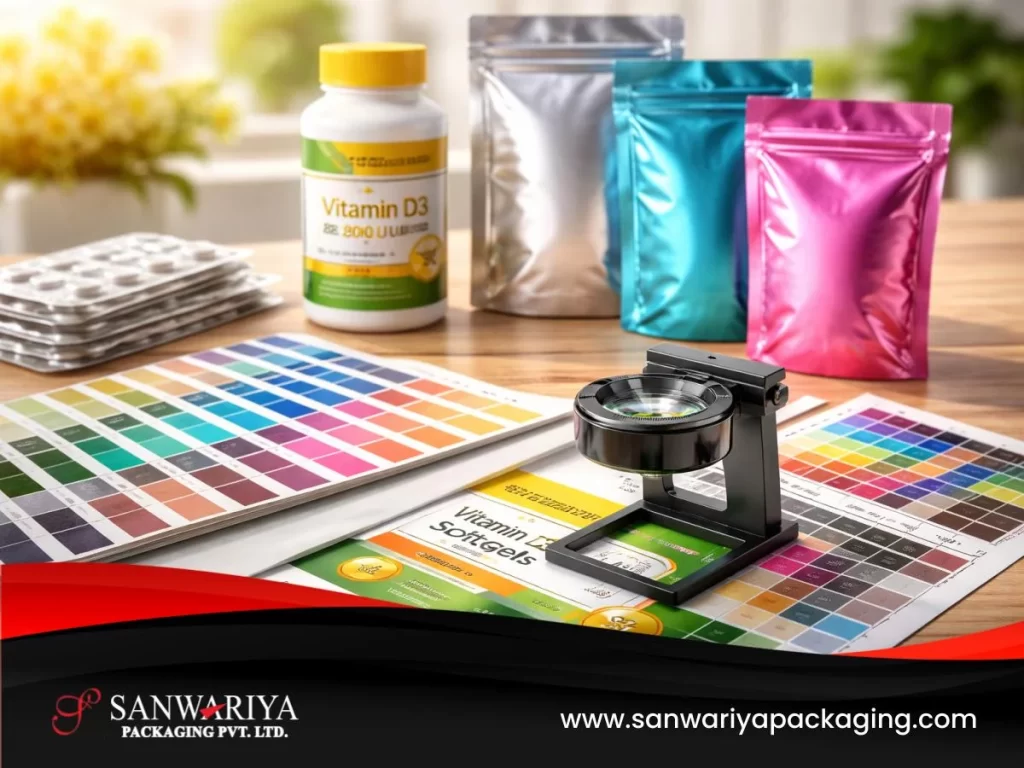
Counterfeit medicines remain one of the most serious challenges in global pharmaceutical supply chains. In several emerging markets, including regions across Latin America (LATAM) and Africa, authorities and industry stakeholders continue to monitor rising cases of falsified or diverted medicines entering legitimate distribution channels.
While regulatory frameworks and enforcement efforts are improving, counterfeit products still find entry points through informal markets, parallel supply chains, and weak distribution controls. Because packaging is often the first visible indicator of product authenticity, pharmaceutical companies rely heavily on secure packaging design to detect and prevent manipulation.
Understanding regional counterfeit trends and identifying packaging risk signals are therefore essential for companies supplying medicines to these markets.
Counterfeit Entry Points in Emerging Markets
LATAM and African pharmaceutical markets are expanding rapidly, with increasing demand for both generic and branded medicines. However, the growth of pharmaceutical trade has also created opportunities for counterfeiters to introduce falsified products into distribution networks.
Common entry points include unauthorized wholesalers, unregulated online sales platforms, and informal pharmacy channels. In some cases, diverted products are repackaged or relabeled to mimic legitimate medicines before being reintroduced into the market.
Cross-border trade routes can also complicate monitoring efforts. Medicines may move through multiple countries before reaching the final destination, making it more difficult to trace packaging origins and verify product authenticity.
These challenges highlight the importance of packaging systems that incorporate visible and traceable security elements.
Common Signs of Packaging Manipulation
Counterfeit medicines often attempt to replicate the visual appearance of legitimate packaging. However, subtle differences in packaging quality or structure can reveal potential manipulation.
One common signal is irregular blister sealing. Counterfeit operations may use inferior sealing equipment, resulting in inconsistent seal patterns or weakened blister cavities. Packaging edges may appear uneven or slightly distorted.
Another indicator is printing inconsistency. Fonts, batch codes, and ink density may differ from authentic packaging. In some cases, printing alignment may be slightly shifted or blurred due to lower-quality printing equipment.
Blister foil surfaces may also show signs of mechanical tampering. Scratches, partial resealing marks, or unusual foil deformation may indicate that original packaging was opened and reassembled.
Recognizing these signs helps quality teams identify suspicious products during inspections.
Security Printing Features in Pharmaceutical Packaging
To combat counterfeit risks, pharmaceutical companies increasingly integrate security printing technologies into packaging materials. These features allow both regulators and supply chain partners to verify product authenticity more easily.
Security elements may include microtext printing, special inks that change color under different lighting conditions, and unique batch coding systems. Some packaging also incorporates serialized data that can be verified through digital tracking platforms.
Blister foil printing can support these security measures by maintaining consistent print quality and clear code visibility. Stable ink adhesion and precise printing help ensure that security elements remain readable throughout the product lifecycle.
When combined with proper supply chain monitoring, these features strengthen protection against counterfeit manipulation.
The Role of Tamper-Evident Packaging
Tamper-evident packaging plays a critical role in identifying potential product interference. Blister packaging naturally provides some level of tamper visibility because each cavity must be punctured to remove the medicine.
However, additional security cues can further strengthen packaging protection. For example, specialized foil coatings or structural features may reveal visible damage if someone attempts to peel or reseal blister packs.
Clear evidence of tampering allows pharmacists, distributors, and regulators to detect suspicious products before they reach patients.
By integrating tamper-evident design principles, pharmaceutical companies reduce the likelihood that counterfeit products can be successfully reintroduced into legitimate supply chains.
Monitoring Counterfeit Risk Through Packaging
Companies distributing medicines in LATAM and African markets often work closely with regulatory authorities and brand protection teams to monitor counterfeit risks. Packaging plays an important role in these monitoring strategies.
Quality teams may track packaging complaints, review returned products, and analyze suspicious packaging samples to identify patterns of counterfeit activity. These investigations help companies refine packaging specifications and improve security features over time.
In addition, supplier qualification and strict packaging material controls help ensure that authorized packaging components remain traceable and consistent across production batches.
These practices contribute to stronger product protection throughout international supply chains.
Strengthening Packaging Protection Against Counterfeits
Counterfeit medicines pose serious risks to patient safety and brand integrity. As pharmaceutical companies expand distribution across LATAM and African markets, monitoring packaging vulnerabilities and implementing effective security measures becomes increasingly important.
By incorporating secure printing techniques, tamper-evident structures, and consistent packaging quality, pharmaceutical manufacturers can significantly reduce the risk of counterfeit manipulation. Packaging systems designed with strong barrier integrity and reliable printing performance support both product protection and supply chain transparency.
Sanwariya Packaging manufactures pharmaceutical aluminum foils designed to support stable printing performance, clear batch coding visibility, and reliable sealing integrity for blister packaging applications. Through advanced manufacturing processes and strict quality controls, Sanwariya Packaging supports pharmaceutical companies in developing secure packaging solutions that help protect medicines across global markets.