Blog by Sanwariya Packaging

Your Trusted Partner in Packaging

Learn About Our Vision for the Future And Grow with Us.

Your Trusted Partner in Pharma Packaging

Learn about our vision for the future and grow with us.

Your Trusted Partner
in Pharma Packaging

Learn about our vision for the future and grow with us.

Know More

Category: Pharmaceutical Packaging

What 2025 Taught Us About Pharma Packaging

Pharma packaging has never been just about wrapping medicines. It safeguards patient health, ensures regulatory compliance, and strengthens trust in global markets.

The year 2025 proved this more than ever. With stricter regulations, rising counterfeit risks, and sustainability moving from CSR to compliance, packaging became a strategic business priority rather than a back-office task.

Here’s what 2025 revealed — and what pharma leaders can take forward into 2026 and beyond.

1. Serialization = Compliance + Patient Confidence

Serialization finally evolved from “regulatory paperwork” to a frontline safeguard. Markets like Russia-CIS and Brazil enforced stricter serialization checks, and even small lapses caused export delays.

Key takeaway:

  • Companies that invested early in robust track-and-trace systems avoided shipment rejections, costly relabeling, and reputational damage.
ROI Insight:
Serialization was not only about compliance. It directly built patient trust by enabling pharmacists and consumers to scan codes and verify authenticity in seconds.

2. Counterfeit Protection Became Non-Negotiable

Counterfeit drugs continued to endanger patients and drain billions from the pharma sector. In 2025, security foils with holograms, microtext, and layered inks shifted from optional upgrades to industry standard.

Compliance shift:

  • Regulators in Asia and Africa made tamper-evident packaging mandatory for several high-risk categories.
Why it matters:
Security foils not only helped prevent recalls but also protected brand equity in markets where counterfeit threats are most severe.

3. Sustainability Turned Into Compliance, Not Just CSR

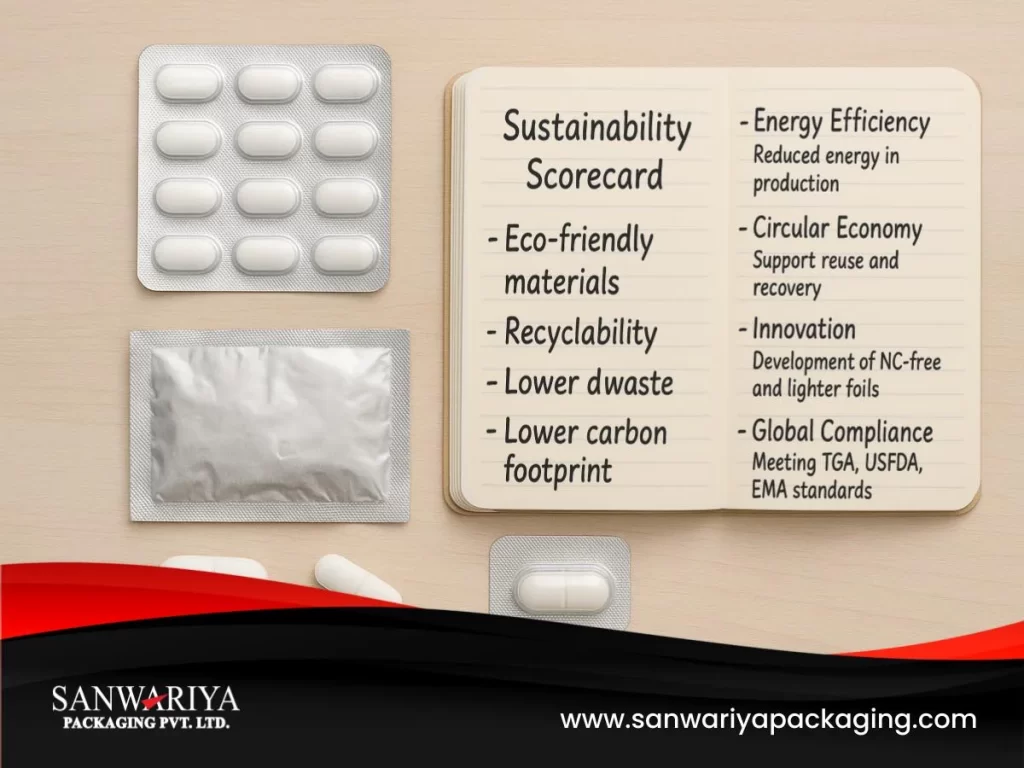
“Green packaging” was once voluntary — in 2025, it became an export requirement. Lightweight alu-alu foils, recyclable varnishes, and waste-reduction strategies gained traction.

Example:

In the EU, sustainable packaging was linked to faster regulatory approvals under certain eco-innovation schemes.

ROI Advantage:
Beyond reducing carbon footprint, lightweight foils cut transport costs and boosted competitiveness for exporters.

4. Regulatory Scrutiny Tightened Across Export Markets

Regulations became stricter everywhere — from labeling rules in Latin America to climate-specific storage compliance in the Middle East.

Lesson learned:

A “one-size-fits-all” packaging strategy often failed.

Best practice:
Leading exporters began developing market-specific packaging playbooks, tailored for language, serialization, labeling, and climate requirements.

5. Innovation Shifted from Cost Control to Value Creation

2025 proved that pharma packaging was no longer about the cheapest foil per ton. Instead, it was about value:

  • Barrier foils reduced spoilage in tropical climates.
  • Smart printing simplified audits and ensured compliance records.
  • Security features gave brands a visible edge in competitive markets.
ROI takeaway:
Every innovation was judged by how much it prevented losses, reduced recalls, and accelerated approvals.

6. The Future: Smarter, Greener, More Secure

Looking ahead, the path is clear:

  • Smarter: Blockchain-enabled traceability and AI-powered supply chain monitoring.
  • Greener: Next-generation recyclable foils and circular economy practices.
  • More Secure: Hybrid anti-counterfeit solutions combining visible and digital authentication.

2025 reminded the industry that pharma packaging is not just supportive — it is strategic. Companies that embraced serialization, security, and sustainability not only stayed compliant but also gained competitive advantage, trust, and resilience.

As 2026 unfolds, the winners will be those who treat packaging as a value creator for compliance, patient safety, and brand strength.

At Sanwariya Packaging, we help pharma companies stay ahead with safe, compliant, and future-ready packaging solutions that protect patients and empower brands in every market.

Pharma Foil Thickness & Gauge: What You Need to Know

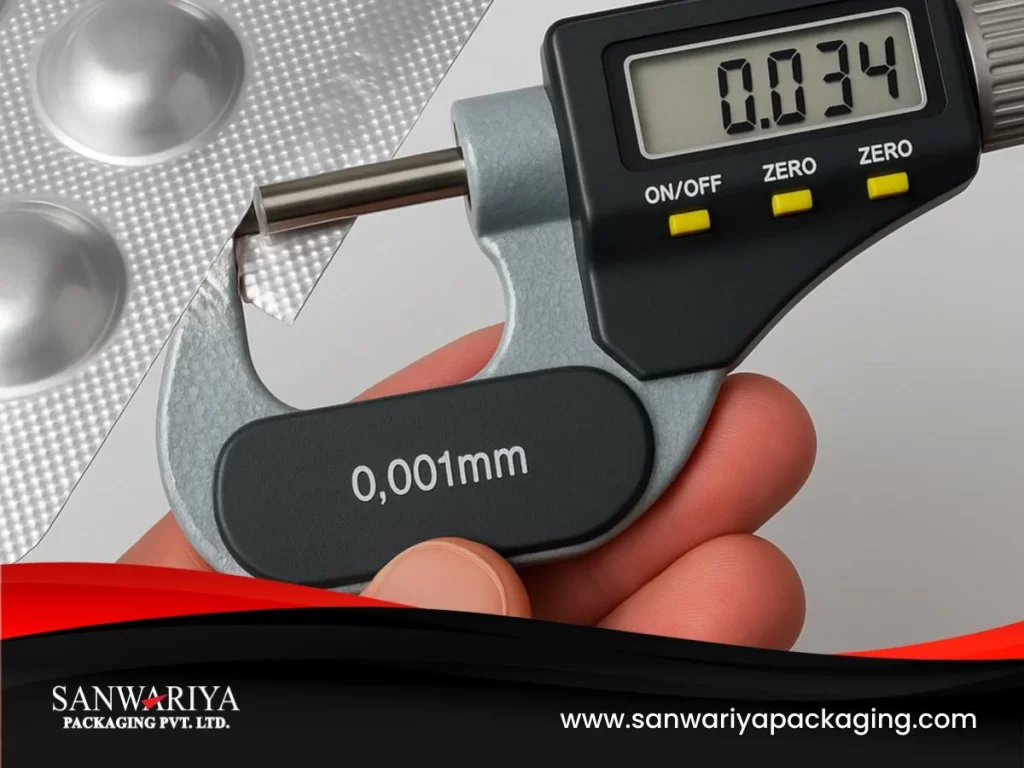
In pharmaceutical packaging, even the smallest detail can decide whether a medicine reaches patients safe and effective—or fails along the way. According to WHO, packaging-related failures are among the leading causes of drug recalls in developing markets, and one of the most overlooked culprits is foil thickness.

This “micron-level” parameter might seem minor, but it is the backbone of product protection, compliance, and global trust. From shielding medicines against moisture and oxygen to meeting international regulatory standards, foil thickness is a detail every pharma professional—and increasingly, every patient—should understand.

Why Foil Thickness Matters

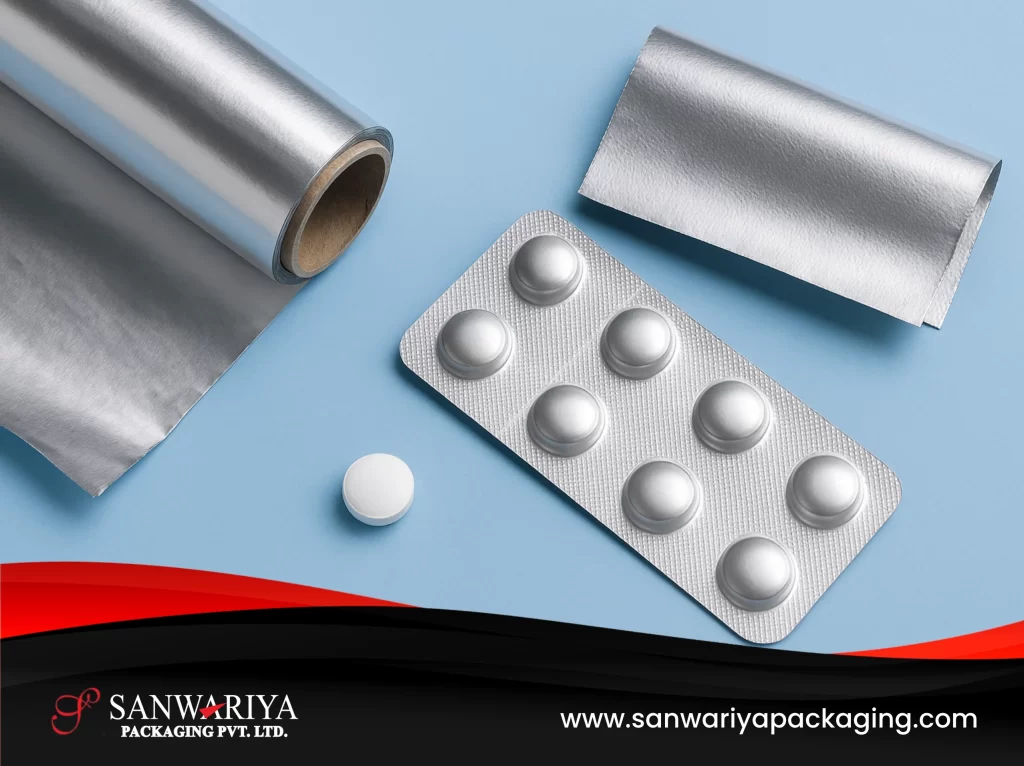
Pharmaceutical aluminum foil isn’t just a wrapper—it’s a protective barrier. The thickness, measured in microns, directly impacts:

  • Barrier protection – Prevents moisture, light, and oxygen from degrading sensitive medicines.
  • Sealing strength – Ensures blister packs remain leak-proof and tamper-resistant.
  • Shelf life – Preserves drug stability during storage and transport.
Think of it like this: just as a weak lock leaves a door vulnerable, the wrong foil thickness leaves medicines exposed to risks.

Foil Thickness at a Glance

Foil TypeTypical Thickness (Microns)Best Suited ForKey Benefit
Blister Foil (PVC/PVDC + Lidding Foil)20–25 µmStandard tablets & capsulesStrong seal + cost-effective
Alu-Alu Foil (Cold-Form Blister)45–60 µmHighly moisture/light-sensitive drugsMaximum barrier protection
Strip Packaging Foil25–40 µmUnit-dose packaging for tablets/capsulesFlexibility + durability

Quick Tip: In tropical or high-humidity markets, regulators often recommend using the higher end of thickness ranges to ensure drug stability.

Global Standards and Compliance

International regulators such as the FDA, EMA, and WHO expect foils to meet strict performance tests, including:

  • Moisture transmission rate (MTR)
  • Light protection levels
  • Vacuum leak testing
In simple terms, regulators want proof that foil truly protects medicines against air, light, and humidity for the duration of their shelf life.

The Risks of Getting It Wrong

Choosing the wrong thickness isn’t just a technical error—it can have costly consequences:

  • Too thin: Pinholes, faster drug degradation, failed stability studies, and in tropical markets, even product recalls.
  • Too thick: Higher costs, increased shipment weight, and sustainability challenges, without extra protective benefits.
Case in Point: A leading exporter to Southeast Asia once faced regulatory rejection because blister foils couldn’t withstand humidity. The result? Costly recalls and a damaged reputation with distributors.

Myths vs. Facts

  • Myth: Thicker foil is always better.
    Fact: The right thickness balances protection, cost, and sustainability.
  • Myth: Foil standards are universal.
    Fact: Markets differ—CIS and tropical regions often demand higher-barrier foils than Europe.
  • Myth: Thickness doesn’t impact compliance.
    Fact: Regulators routinely test packaging; non-compliance can delay approvals and shipments

Choosing the Right Thickness

Selecting the correct foil requires collaboration across packaging, QA/QC, and supply chain teams. Key factors include:

  • Formulation type – Moisture- or light-sensitive drugs require stronger barriers.
  • Destination market – High-humidity regions demand higher-gauge foils.
  • Regulatory compliance – Standards differ country by country.
  • Sustainability goals – Lightweight foils can reduce cost and carbon footprint.
This decision requires collaboration between packaging development, QA/QC, and supply chain teams.

Smarter, Greener Foils

The industry is moving toward innovations that go beyond thickness:

  • Lightweight foils – Reducing material use without compromising integrity.
  • Eco-friendly designs – Enhancing recyclability and minimizing waste.
  • Digital integration – Embedding track-and-trace for anti-counterfeit protection.
These trends combine sustainability, compliance, and patient safety—the three pillars shaping the future of pharma packaging.

Foil thickness may seem like a small technical detail, but it is central to pharmaceutical safety, compliance, and global trust. The right gauge ensures protection, prevents costly recalls, and strengthens confidence among regulators, distributors, and patients worldwide.

At Sanwariya Packaging, we help pharma brands choose the right foil specifications—balancing protection, compliance, sustainability, and cost-efficiency—so that medicines remain safe, effective, and trusted across international markets.

Looking to optimize your packaging for global exports?
Our experts can guide you in selecting the right foil thickness for every market.

A Closer Look at Alu-Alu Foil: Myths vs. Facts

In pharmaceutical packaging, some materials stand out for their ability to protect medicines under the harshest conditions. Alu-Alu foil is one such solution, trusted worldwide for packing sensitive drugs. Yet, myths still surround it — from being “too costly” to “only for premium medicines.”

It’s time to separate myths from facts and understand why Alu-Alu foil is increasingly considered the gold standard in pharma packaging.

What is Alu-Alu Foil?

Alu-Alu foil, short for aluminum–aluminum cold-form blister packaging, is created by laminating aluminum with nylon and PVC (or other polymers). Unlike regular PVC blisters, Alu-Alu provides a complete barrier against:

  • Moisture (critical in tropical and humid climates)
  • Oxygen (prevents oxidation and drug degradation)
  • Light (protects light-sensitive formulations)
  • Contaminants (ensures patient safety)

Because of these properties, Alu-Alu foil is widely used for antibiotics, anti-malarials, and other highly sensitive formulations that demand maximum stability.

Common Myths About Alu-Alu Foil

Myth 1: “It’s the same as regular aluminum foil.”

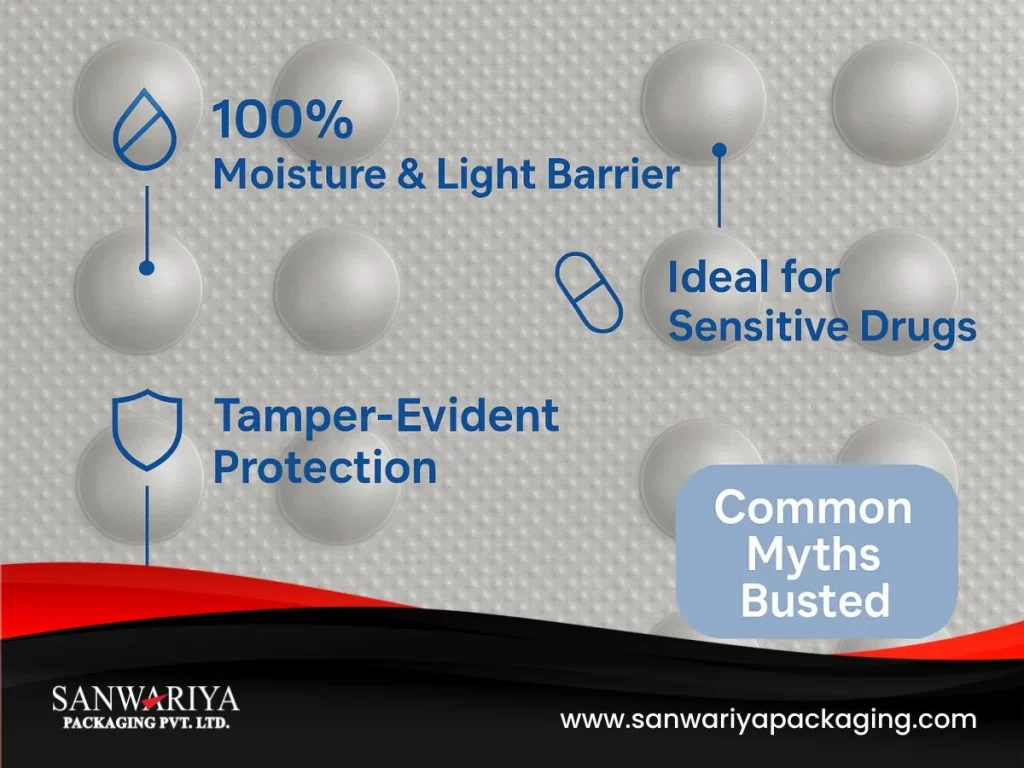
Fact: Standard blisters usually have a PVC base, which allows some moisture or oxygen to pass through. Alu-Alu foil, however, creates a 100% barrier, essential for unstable drugs in challenging climates.

Myth 2: “It’s only for premium medicines.”

Fact: Once seen as premium, Alu-Alu is now common across essential generics, especially in ICH Zone IVa and IVb regions (hot and humid zones like Southeast Asia, Africa, and Latin America). Here, drug stability is non-negotiable.

Myth 3: “It’s not eco-friendly.”

Fact: Sustainability in pharma packaging is advancing. By optimizing foil thickness and improving recyclability, manufacturers are making Alu-Alu more sustainable. Some companies are already piloting recovery systems for laminate recycling.

Myth 4: “It’s too costly without added benefits.”

Fact: While Alu-Alu may have a slightly higher upfront cost, its long-term value is undeniable:

  • Fewer recalls: Prevents costly drug recalls caused by moisture or oxygen damage.
  • Extended stability: Keeps medicines stable for up to 36 months in tropical conditions vs. 12–18 months in PVC blisters.
  • Extended stability: Alu-Alu packs provide superior protection against moisture, oxygen, and light — helping maintain the stability of sensitive formulations even in hot and humid (Zone IV) climates. The actual stability period should be supported by product-specific stability studies and regulatory data, ensuring evidence-based validation. (Source: Click Here)
  • Global compliance: Meets USFDA, EMA, and WHO standards, minimizing export rejections.

The real ROI isn’t just cost — it’s stability, compliance, and brand protection.

The Facts That Matter

  • Superior Barrier Protection: Blocks moisture, oxygen, and light.
  • Global Regulatory Recognition: Approved and recommended by USFDA, EMA, WHO for sensitive formulations.
  • Extended Shelf Life: Preserves stability even in extreme climates.
  • Patient Safety First: Minimizes contamination and dosage risks.
  • Sustainability Gains: Ongoing research into recyclable laminates.

Why Alu-Alu Foil Matters for Pharma Companies

For pharma manufacturers, packaging is not just about containment — it’s about compliance, reputation, and trust. Alu-Alu foil helps companies:

  • Meet global export requirements without risking rejection.
  • Protect brands against counterfeiting when combined with serialization printing.
  • Avoid costly recalls and shipment delays due to weak packaging.
  • Strengthen patient trust by delivering safe, stable medicines every time.

Alu-Alu Foil is more than packaging. It is a future-ready solution for drug safety, regulatory compliance, and brand credibility in global markets. While myths persist, the facts are undeniable: Alu-Alu foil offers unmatched protection, longer shelf life, and safeguards patients as well as pharmaceutical companies.

In a world where drug stability can determine patient health outcomes, Alu-Alu Foil stands as a reliable guardian of quality.

Partnering for Safer Pharma Packaging

At Sanwariya Packaging, we deliver pharma-grade Alu-Alu Foils engineered for the highest barrier protection and global compliance. Our expertise ensures your medicines remain stable, secure, and trusted across diverse markets.

Reach out to our team today to discover how our advanced packaging solutions can help you protect your products and your brand reputation.

Blister Seal Integrity: Why It Matters More Than Ever

In pharmaceuticals, it’s often the smallest detail that protects the biggest investments. One such detail — too often underestimated — is blister seal integrity. 

A compromised seal doesn’t just affect shelf life; it can lead to drug degradation, regulatory penalties, product recalls, and in worst cases, patient harm. In today’s climate-conscious, compliance-driven world, leak-proof packaging isn’t optional — it’s essential.

Blister packs consist of a base (typically PVC, PVDC, or Aclar) and a covering layer, usually aluminum foil. The seal between these two layers protects tablets and capsules from oxygen, moisture, light, and microbial ingress.

A faulty seal — whether due to poor sealing pressure, temperature variation, or foil delamination — risks:

  • Product contamination
  • Decreased drug efficacy
  • Regulatory non-compliance
  • Damaged brand trust

Even microscopic leaks can compromise sensitive APIs. Seal integrity isn’t just a process checkpoint — it’s a patient safety assurance.

Consider a blister-packed antibiotic exported to Southeast Asia or Latin America. These tropical climates fall under ICH Zone IV, known for high heat and humidity. In such regions, even a pinhole leak can result in:

  • Softened tablets
  • Discoloration
  • Breakdown of active ingredients
  • Complete batch failure

This isn’t hypothetical.

Regulatory databases report blister seal failure as a leading cause of product recalls — often detected only post-distribution. The cost isn’t just financial; it’s reputational.

Regulatory bodies such as WHO, FDA, and ICH place strong emphasis on validated, reproducible sealing processes. Seal integrity testing is now a GMP-mandated requirement, not just a best practice.

Blister Seal Testing at a Glance

1. Dye Ingress Test :

Detects visible leaks using colored dye

2. Vacuum Leak Test :

Captures micro-leaks invisible to the eye

3. Peel/Seal Strength Test :

Ensures consistent sealing across batches

Tip: Use a combination of these methods for ICH and GMP compliance.

Routine seal checks during and after production are not only regulatory expectations but critical quality assurance tools.

Regions in ICH Zone IVa and IVb (South Asia, Latin America, parts of Africa) present unique packaging challenges. The high ambient moisture means any sealing imperfection will lead to accelerated drug degradation.

Pharma exporters serving these markets must insist on:

  • Barrier-grade aluminum foil
  • Reliable multilayer laminates
  • Consistently monitored sealing equipment

Learn more about the different foil structures in our blog on Choosing the Right Aluminum Foil for Pharma Packaging.

Failure to meet these criteria puts product quality, patient safety, and market licenses at risk.

Packaging innovations are addressing these risks head-on:

  • Sensor-Controlled Sealing:
    Ensures precise temperature and pressure control on every blister cavity.
  • High-Barrier Coated Foils:
    Aluminum structures designed to resist delamination and micro-cracking.
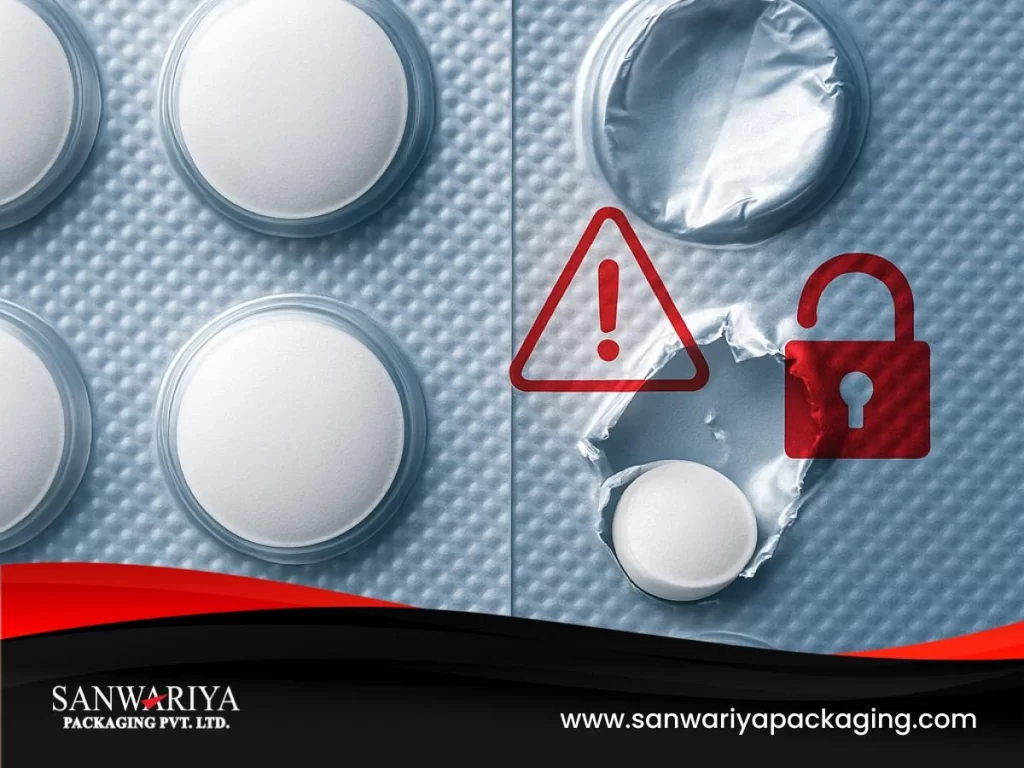
  • Tamper-Evident Designs:
    Adds visible safety cues and acts as a deterrent against counterfeiting.

These aren’t just upgrades — they are compliance enablers and brand protectors in a competitive export-driven industry.

A robust seal also acts as the first layer of defense against tampering or counterfeit product substitution. Tamper-evident foils discourage malicious interference and reassure end users.

For brand owners, it’s not just about preventing product loss — it’s about maintaining patient trust, especially in emerging markets where counterfeit activity is high.

Whether you oversee quality assurance, packaging development, or regulatory compliance, blister seal performance should be one of your top monitored metrics. It helps ensure:

  • Long-term drug stability
  • Global regulatory compliance
  • Reduced complaint rates
  • Stronger brand equity
  • Safer patient outcomes

Seal the Standard, Not Just the Pack

As pharmaceutical supply chains grow more complex and global, blister seal integrity becomes a brand promise — not just a technical requirement. From resisting climate threats to stopping counterfeiters, a secure seal protects your product, your market, and your reputation.

Sanwariya Packaging delivers precision-engineered aluminum foil solutions that meet the highest sealing standards — so your products remain effective, compliant, and trusted from the production line to the patient’s hands.

From Compliance to Confidence: Foil’s Role in Track & Trace

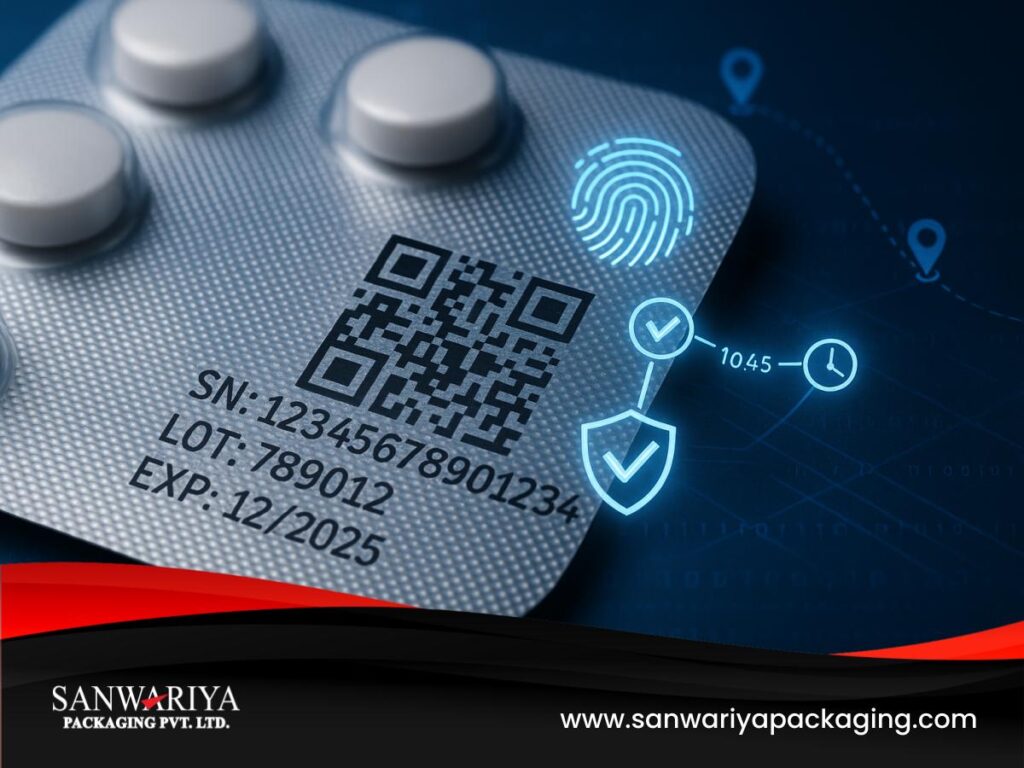
In today’s tightly regulated pharmaceutical landscape, serialization isn’t just a compliance checkbox — it’s a critical safety net. By assigning a unique identifier to every medicine pack, pharma companies can trace a product’s journey from the manufacturing line to the end patient. This helps deter counterfeiting, enables faster recalls, and supports market-specific regulatory mandates.

At the heart of this traceability system is an often overlooked but essential component: printed aluminum foil. When engineered for high-precision data printing and durability, foil becomes more than a packaging layer — it becomes a trusted partner in patient safety and supply chain integrity.

Serialization plays a vital role in:

  • Ensuring product authenticity
  • Protecting public health
  • Enabling efficient recalls
  • Meeting regulatory requirements across borders

Key Benefits:

  • Prevents Counterfeiting:
    Unique codes make duplication difficult and detection easy
  • Supports Global Compliance:
    Aligns with DSCSA (U.S.), FMD (EU), Chestny ZNAK (Russia), ANVISA (Brazil), and others
  • Improves Supply Chain Visibility:
    Enables unit-level tracking across the entire distribution chain
  • Speeds Product Recalls:
    Quickly identifies and isolates compromised batches
Industry Insight: As of 2025, over 80 countries mandate serialization, with more expected to follow. Investing in the right serialization-ready materials is no longer optional.

High-quality printed aluminum foil provides a stable, secure surface for direct-to-foil variable data printing — a must for serialization.

What Makes Foil Ideal:

  • Consistent Print Surface:
    Maintains sharp contrast and clarity for 2D codes and serial data
  • Durability:
    Resists abrasion, smudging, and environmental damage during transit
  • Code Compatibility:
    Supports QR codes, DataMatrix, barcodes, batch numbers, and serial IDs
  • Tamper Evidence:
    Integrated features alert handlers to possible breaches
Serialization requires not just code generation, but error-free production on fast-moving lines. Sanwariya Packaging utilizes advanced foil printing techniques that ensure consistency, compliance, and security.

Key Technologies:

  • Variable Data Printing (VDP):
    Enables pack-specific serialization and traceability
  • UV-Cured Inks:
    Fast-drying, scratch-resistant, and optimized for scanner readability
  • High-Speed Precision Alignment:
    Guarantees correct placement of codes for automated systems
  • Optional Security Layers:
    Includes invisible UV marks, encrypted QR codes, and microtext

These features ensure serialized codes remain scannable and intact throughout the product’s lifecycle.

Serialization is foundational — but it’s not foolproof alone. Foil printing offers additional layers of security to stop counterfeiting at multiple points.

Multi-Layer Protection on Foil:

  • Visible Elements:
    Holograms, color-shifting inks, and registered patterns for brand recognition
  • Invisible Layers:
    Microtext, UV-sensitive inks, or heat-reactive varnishes for forensic validation
  • Tamper-Seal Indicators:
    Visual cues to indicate if a pack has been opened or altered
  • Custom Design Elements:
    Proprietary branding that’s difficult to duplicate
Global pharma markets enforce diverse serialization and labeling norms. A smart foil system can unify these requirements into a single packaging solution, saving time, space, and cost.
RegionRequirementFoil Advantage
EU (FMD)2D DataMatrix + Tamper EvidenceHigh-res printing + security seal integration
Russia (Chestny ZNAK)Serialized crypto codesCompatible with encrypted & complex code formats
Brazil (ANVISA)Serialization + AggregationSupports multi-level serialization on foil
U.S. (DSCSA)Unique serials + lot-level traceabilityBatch + unit code integration in one foil pass

This flexibility ensures compliance without multiple SKUs, enabling efficient global distribution.

Serialization is the gateway to a safer, more transparent pharmaceutical supply chain. Yet, compliance alone isn’t enough. Pharma companies must also guard against counterfeiting, scanning failures, and packaging vulnerabilities.

Printed aluminum foil plays a critical role in delivering traceable, secure, and regulation-ready packaging — with clarity, consistency, and confidence.

Ready to Strengthen Your Serialization Strategy?

Sanwariya Packaging delivers advanced, regulation-compliant foil printing solutions tailored for pharma serialization and anti-counterfeit protection.

Let’s secure your supply chain — together.
Contact our team to explore high-performance foil solutions that align with global compliance and protect your brand.

The Science of Barrier Protection: Why Aluminum Foil Works

In hot and humid regions like Latin America, Asia, and Africa, medicines can lose up to 30% of their potency within weeks if not packaged correctly. This isn’t just a patient safety issue — it can lead to failed stability tests, regulatory delays, costly recalls, and damaged brand reputation.

That’s why aluminum barrier foil is more than just packaging. It is the pharmaceutical industry’s most reliable safeguard against moisture, oxygen, light, and contamination — all factors that can shorten a drug’s shelf life or compromise its effectiveness.

Barrier protection is a material’s ability to shield medicines from environmental threats. Without it, even well-formulated drugs can degrade. The key elements barrier foil protects against include:

  • Moisture: It can trigger chemical breakdown, microbial growth, or active ingredient loss.
  • Oxygen: It can cause oxidation, reducing the drug’s potency.
  • Light: UV and visible light can destabilize sensitive drugs like vitamins, hormones, and antibiotics.
  • Contaminants: Dust and airborne particles can compromise sterility and safety.

These risks are magnified in countries classified as ICH Climatic Zones III and IV (hot and humid regions) under global stability guidelines. The International Council for Harmonisation (ICH) sets strict testing standards for medicines in these zones. Meeting these standards often requires high-performance aluminum barrier foil to ensure products stay stable and pass regulatory reviews.

Aluminum foil outperforms plastics like PVC or PVDC in nearly every key metric, providing unmatched barrier protection and regulatory reliability.

PropertyAluminum FoilPVC/PVDC Film
Moisture BarrierExcellent (WVTR < 0.01)Moderate (WVTR ~0.2–0.5)
Oxygen BarrierExcellentLow
Light Barrier100% ProtectionPartial
Chemical InertnessNon-reactiveMay leach under stress
RecyclabilityHighLow

Because it is non-reactive and chemically stable, aluminum is ideal for protecting moisture-sensitive, pH-sensitive, and light-sensitive drugs, ensuring they remain safe and effective until the end of their shelf life.

Where Barrier Foil Makes the Most Impact

  • Alu-Alu Blisters – Maximum barrier for highly sensitive tablets like antibiotics and blood pressure medicines.
  • PVC-Alu Blisters – A balanced, cost-effective solution for moderate protection needs.
  • Strip Packs – Ideal for powders, dispersible tablets, and single-dose products.
  • Sachets – Perfect for granules requiring airtight sealing.

The Business Case for Barrier Foil

1. Extended Shelf Life

Barrier foil helps products pass both real-time and accelerated stability tests, even in ICH Zone IV conditions, ensuring medicines remain effective until they reach patients worldwide.

2. Global Regulatory Compliance

Aluminum foil meets packaging standards from leading authorities, including:

  • US FDA
  • EMA (Europe)
  • TGA (Australia)
  • WHO Prequalification Programs

3. Using aluminum foil simplifies approvals and avoids packaging-related audit issues when entering multiple international markets.

4. Reduced Risk and Cost

By preventing degradation, foil packaging helps cut down on:

  • Stability failures
  • Recalls and returns
  • Customer complaints and brand damage

5. The result:

Lower quality costs and stronger market reputation.

To make sure your packaging performs as expected, every pharmaceutical company should:

  • Verify the foil’s moisture and oxygen transmission rates (WVTR and OTR).
  • Choose the right laminate structure (PET, PE, lacquer layers) for the product’s sensitivity.
  • Test sealing strength at the intended thickness and processing temperatures.
  • Conduct ICH-compliant stability studies under real-time and accelerated conditions.
  • Even a high-quality formulation can fail a stability study if the foil isn’t matched to the product or climate.

The pharmaceutical industry is moving toward solutions that balance performance, sustainability, and security, including:

  • Recyclable, ultra-thin aluminum foils that cut down on material waste.
  • Bio-based adhesives and coatings for greener laminate structures.
  • Smart foils with built-in tamper indicators, authentication features, and digital tracking via QR or NFC codes.
These advancements help manufacturers stay compliant while meeting growing environmental and anti-counterfeit demands.

In pharmaceuticals, packaging isn’t just a wrapper — it’s the final shield that protects your product, your brand, and ultimately, the patient. Aluminum barrier foil remains the most trusted and proven material for ensuring drug stability, safety, and compliance worldwide.

Whether your medicines face harsh climates, light sensitivity, or strict regulatory scrutiny, choosing the right barrier foil can protect your investment and reputation.

Let’s Talk Protection You Can Count On

At Sanwariya Packaging, we deliver science-backed, customized aluminum foil solutions that help pharmaceutical companies achieve stability, compliance, and market confidence.

Contact our technical team today for guidance or request a free barrier foil sample to see how we can protect what matters most — your product and your patients.