Pharmaceutical packaging must protect medicines not only during manufacturing and transportation but also during the final stages of the supply chain. One of the most demanding environments for packaging materials is the pharmacy dispensing stage.
In hospitals, retail pharmacies, and clinical settings, blister packs are frequently handled by pharmacists, technicians, and patients. During this stage, packaging materials are exposed to repeated handling, pressure, and mechanical stress.
If blister foils are not sufficiently durable, they may tear prematurely, puncture easily, or compromise the protection of the medicine inside. Because of this, the mechanical strength and durability of pharmaceutical foil are critical considerations during packaging development.
This blog explains why durable blister foils are important in pharmacy environments, how tear strength and puncture resistance contribute to packaging performance, and how pharmaceutical companies ensure that packaging materials remain reliable throughout dispensing and patient use.
Packaging Stress in Pharmacy Dispensing Environments
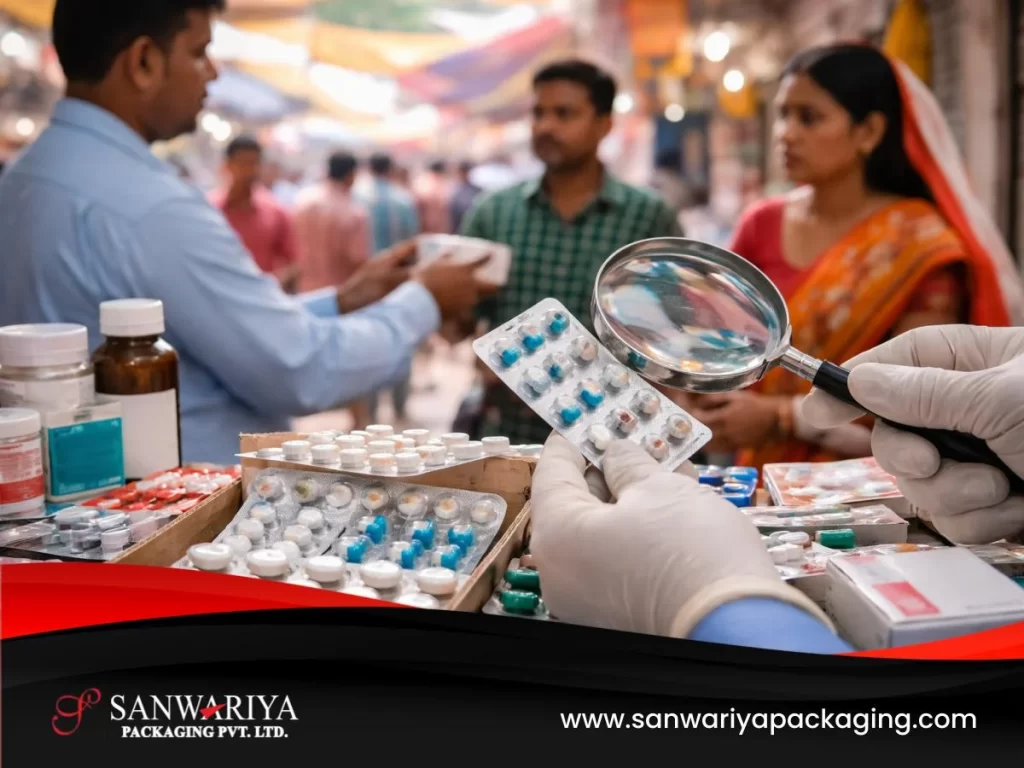
Pharmacy dispensing environments involve frequent manual handling of medicine packs. Pharmacists and technicians often remove individual doses from larger packaging units, verify labeling information, and prepare medicines for patient distribution.
During these routine activities, blister packs may experience several types of mechanical stress.
- Repeated bending or flexing of blister cards
- Pressure applied while separating doses
- Contact with dispensing equipment or storage trays
- Handling during patient counseling and medication preparation
These handling conditions can place significant strain on blister foil structures. If the foil material is too fragile, it may tear unintentionally or fail to maintain the integrity of the blister cavity.
Durable foil materials help ensure that the packaging continues to protect the medicine until the moment of use.
Importance of Tear Strength in Blister Foils
Tear strength refers to the ability of a material to resist tearing when a force is applied. In pharmaceutical blister packaging, appropriate tear strength is necessary to maintain packaging integrity while still allowing the medicine to be dispensed intentionally.
If foil tear strength is too low, several problems may occur:
- Accidental Tearing During Routine Handling
- Exposure Of The Medicine Before Intended Use
- Reduced Protection From Environmental Factors
- Potential Contamination Risks
On the other hand, foil should not be excessively difficult to open. Packaging must balance durability with accessibility to ensure that patients can remove medicines without excessive effort.
Packaging engineers therefore design foil structures that provide controlled tearing during the push-through dispensing process.
Puncture Resistance and Blister Protection
Puncture resistance is another important property of durable blister foil. This refers to the ability of the material to resist penetration by external pressure or sharp contact.
During pharmacy handling and transportation, blister packs may be exposed to objects that apply localized pressure.
Examples may include:
- Contact With Sharp Edges Of Storage Trays
- Compression Within Medication Carts
- Stacking Of Packaged Medicines
- Accidental Impacts During Handling
If the foil surface punctures easily, the protective barrier around the medicine may be compromised.
Foils with strong puncture resistance help maintain the protective seal around each blister cavity and reduce the risk of accidental exposure.
Balancing Durability and Patient Accessibility
Pharmaceutical packaging must remain strong enough to protect the product while still allowing patients to access the medicine easily.
Designing blister foils requires careful consideration of patient usability factors.
Key design considerations include:
- Controlled Push-Through Performance
- Resistance To Accidental Tearing During Handling
- Accessibility For Elderly Or Limited-Strength Patients
- Consistent Opening Performance Across Blister Cavities
Packaging development teams often conduct usability evaluations to ensure that the blister pack remains easy to open without compromising durability.
Achieving this balance helps support safe and convenient medication use.
Mechanical Stability During High-Volume Pharmacy Use
In hospital pharmacies and large dispensing centers, medicines may be handled in high volumes every day. Blister packs are frequently stored in automated dispensing cabinets, medication carts, or inventory trays.
These environments place repeated mechanical stress on packaging materials.
Potential stress factors include:
- Frequent Insertion And Removal From Storage Systems
- Vibration During Movement Of Dispensing Carts
- Pressure From Stacked Packaging Units
- Repeated Manual Handling By Pharmacy Staff
Foil structures with strong mechanical stability help maintain packaging performance even under these demanding conditions.
Reliable packaging durability supports smooth pharmacy operations and reduces the risk of damaged medicine packs.
Quality Testing for Foil Durability
Before pharmaceutical packaging materials are approved for production use, they typically undergo testing to evaluate mechanical strength and durability.
These tests help confirm that the foil structure can withstand expected handling conditions throughout the supply chain.
Common durability evaluations may include:
- Tear Resistance Testing
- Puncture Resistance Measurements
- Push-Through Force Testing For Blister Packs
- Simulated Handling And Transport Tests
Quality assurance teams review the results of these tests to ensure that packaging materials meet both functional and regulatory expectations.
Maintaining documented testing procedures also supports compliance with pharmaceutical quality systems.
Ensuring Safe Dispensing and Patient Protection
Durable blister foil plays an important role in maintaining the integrity of pharmaceutical packaging from production to patient use. In pharmacy environments where medicines are frequently handled, strong foil materials help prevent accidental damage and preserve the protective barrier around each dose.
By combining appropriate tear strength, puncture resistance, and controlled opening performance, pharmaceutical packaging can remain reliable throughout dispensing and patient use.
Durable foil structures contribute to safe medication handling, clear product identification, and consistent packaging performance across healthcare environments.
Sanwariya Packaging manufactures pharmaceutical aluminum foils designed to provide reliable mechanical strength, consistent sealing performance, and stable printing quality for blister packaging applications. Through advanced manufacturing processes and strict quality controls, Sanwariya Packaging supports pharmaceutical companies in developing durable packaging solutions suitable for demanding pharmacy dispensing environments.