Blog by Sanwariya Packaging

Your Trusted Partner in Packaging

Learn About Our Vision for the Future And Grow with Us.

Your Trusted Partner in Pharma Packaging

Learn about our vision for the future and grow with us.

Your Trusted Partner
in Pharma Packaging

Learn about our vision for the future and grow with us.

Know More

Tag: Pharma Packaging

Packaging foil for effervescent and hygroscopic drug products

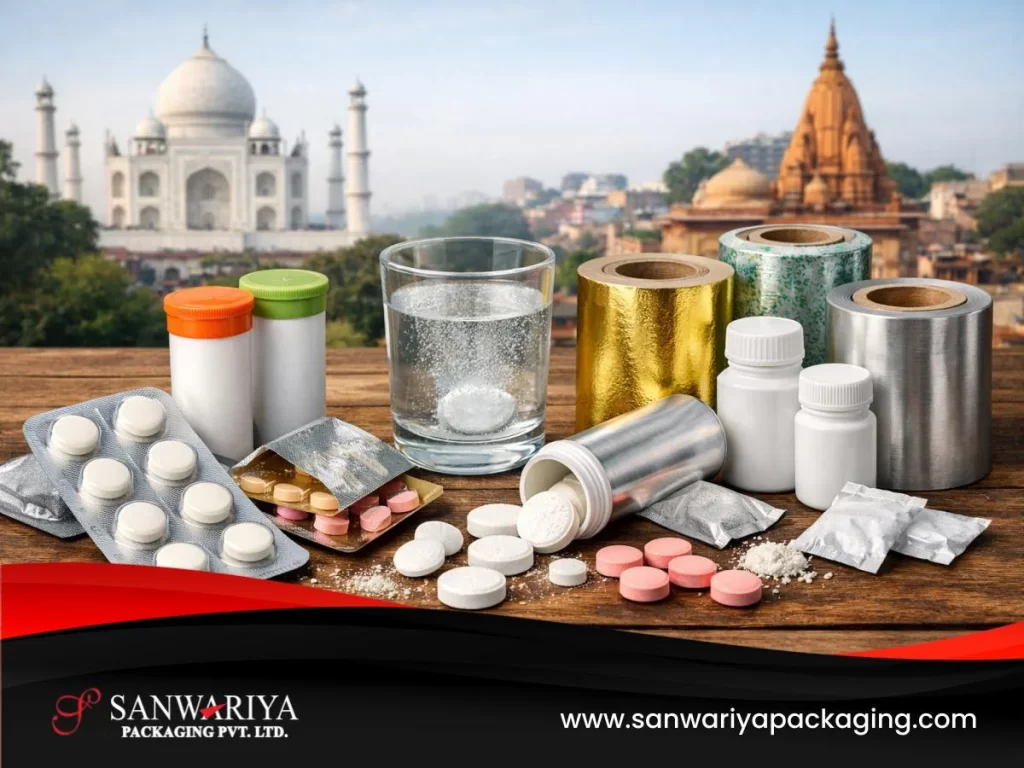
Some pharmaceutical formulations are extremely sensitive to moisture. Effervescent tablets, dispersible medicines, and hygroscopic products are designed to interact with water or naturally absorb moisture from the surrounding environment. While this property is essential for how the medicine functions, it also creates a significant challenge during storage and distribution.

Even a small amount of moisture entering the package can compromise product stability long before the labeled expiry date. Tablets may soften, chemical reactions may begin prematurely, or the active ingredient may gradually degrade.

For this reason, selecting the right packaging foil for hygroscopic and moisture-sensitive medicines is not simply a packaging decision. It is a critical part of the overall stability strategy used by pharmaceutical manufacturers to ensure product safety, efficacy, and shelf-life reliability.

This blog explains why moisture protection is essential, how barrier performance is measured, and what foil structures are commonly used to protect highly sensitive pharmaceutical formulations used in modern pharmaceutical packaging solutions.

Why Effervescent Medicines Require Strong Moisture Protection

Effervescent tablets are specifically designed to dissolve rapidly when placed in water. This reaction occurs because the formulation typically contains ingredients such as acids and carbonates that react in the presence of moisture, producing carbon dioxide and enabling quick dissolution.

While this reaction improves patient convenience and drug absorption, it also creates a challenge during storage. If moisture enters the package prematurely, the same reaction designed for patient use can begin inside the blister cavity.

Possible consequences include:

  • Tablets swelling or cracking
  • Loss of mechanical strength
  • Reduced dissolution performance
  • Degradation of the active pharmaceutical ingredient
  • Visible changes in texture or appearance

Once this reaction begins, it cannot be reversed. Even minimal moisture exposure can compromise the medicine, making reliable packaging protection essential when selecting high-quality blister foils.

Hygroscopic Medicines: Constant Exposure to Humidity

Hygroscopic medicines behave slightly differently from effervescent formulations. Instead of reacting immediately with water, they gradually absorb moisture from the surrounding air.

This process can lead to several stability issues over time:

  • Tablets becoming soft or sticky
  • Powders forming lumps or aggregates
  • Changes in tablet weight due to moisture absorption
  • Reduced stability of moisture-sensitive active ingredients

These problems become even more pronounced in regions with high humidity. In tropical climates, where environmental moisture levels remain consistently elevated, packaging must provide stronger protection to maintain product integrity throughout its shelf life.

For pharmaceutical companies distributing medicines globally, packaging must perform reliably across different climates, transportation conditions, and storage environments.

Understanding WVTR and Why It Matters

To determine how effectively a packaging material protects against moisture, scientists measure a parameter called the Water Vapor Transmission Rate (WVTR).

WVTR measures the amount of water vapor that can pass through a packaging material over a specific period of time. Lower WVTR values indicate stronger resistance to moisture penetration.

“WVTR = mass of water vapor transmitted / (area × time)”

For highly moisture-sensitive medicines, even small differences in WVTR can significantly affect long-term stability. A packaging structure with slightly higher moisture permeability may allow gradual vapor ingress over months of storage.

Pharmaceutical packaging teams therefore evaluate WVTR data carefully when selecting blister materials. Stability studies are typically conducted to confirm that the chosen packaging maintains product quality throughout the intended shelf life.

Why Standard Blister Packaging May Not Be Enough

Standard blister packaging materials work well for many pharmaceutical products. However, for medicines that are extremely sensitive to moisture, these materials may not always provide sufficient protection.

Potential limitations include:

  • Gradual moisture penetration during long storage periods
  • Reduced protection in humid environments
  • Increased stability risks during long distribution routes

These risks are particularly relevant when products travel through extended supply chains or remain in storage for months before reaching patients.

For effervescent and hygroscopic formulations, packaging developers often prefer higher-barrier structures that significantly reduce the risk of moisture ingress using specialized pharmaceutical blister foils.

Foil Structures Commonly Used for Moisture-Sensitive Medicines

1. Aluminum–Aluminum Blister Systems

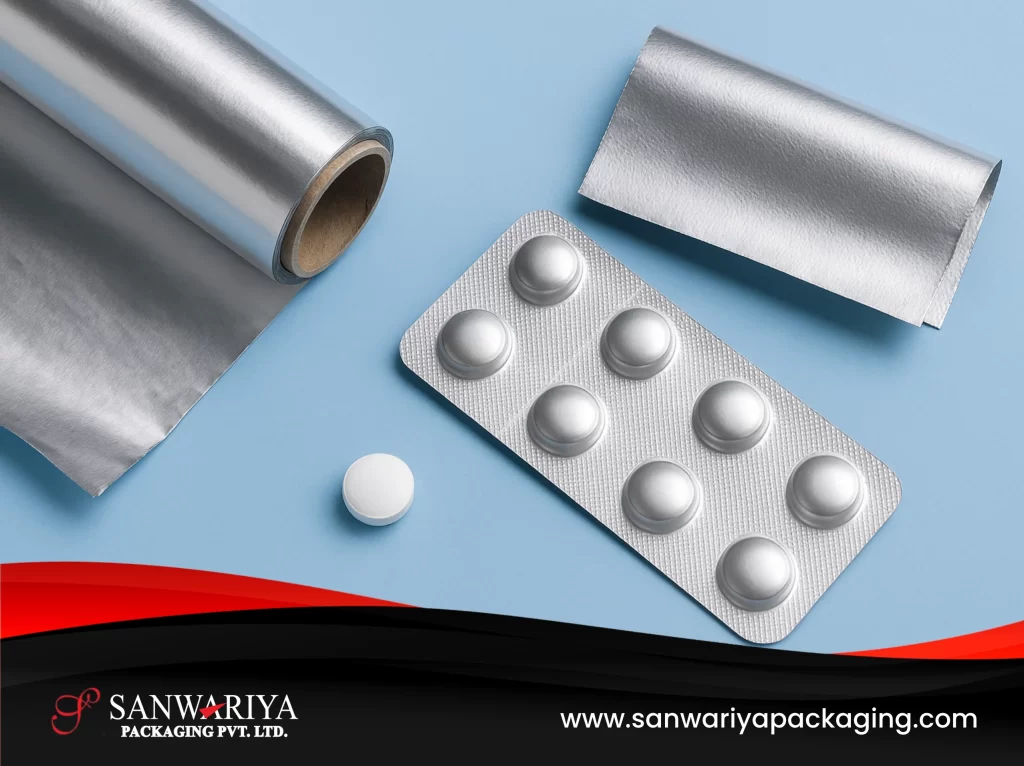
Aluminum-aluminum (Alu-Alu) blister packs use aluminum foil for both the forming layer and the lidding foil. Aluminum acts as an almost complete barrier against moisture, oxygen, and light.

Because of this property, Alu-Alu blisters are widely used for highly sensitive pharmaceutical formulations that require maximum protection.

These systems are typically manufactured using cold forming foils, which create the deep blister cavities while preserving the aluminum barrier structure.

2. Cold-Form Blister Foil

Cold-form blister packaging is produced without applying heat during the cavity-forming process. This preserves the integrity of the aluminum barrier and provides excellent protection against environmental exposure.

Cold-form blisters are often selected for medicines that must maintain strict stability profiles. High-barrier cold forming aluminum foils are commonly used for such applications.

3. High-Barrier Laminated Foils

In some cases, laminated foil structures combine aluminum with additional layers that enhance mechanical strength, sealing performance, and process efficiency during blister packaging operations.

These multilayer structures help balance barrier performance with manufacturing reliability. Pharmaceutical companies often evaluate strip laminated foils and advanced multi-layer foils when developing high-barrier packaging solutions.

In specialized applications, materials such as glassine foils may also be evaluated depending on packaging design and product requirements.

The final selection typically depends on several factors, including product sensitivity, shelf-life requirements, regulatory expectations, and distribution conditions.

Common Packaging Failures With Moisture-Sensitive Medicines

Even when a medicine is well formulated, packaging failures can still compromise stability if the packaging system is not properly designed.

Some common issues include:

1. Insufficient Moisture Barrier

Using materials with higher WVTR than required can allow gradual moisture penetration over time, particularly in humid environments.

2. Poor Seal Integrity

Inconsistent sealing during blister packaging can create microscopic channels where moisture may enter the package.

3. Variations in Foil Quality

Differences in foil thickness, coating quality, or lamination consistency may reduce the barrier performance across production batches.

4. Environmental Exposure During Distribution

High humidity levels during transportation or storage can place additional stress on the packaging system, especially during long shipping routes.

These issues may eventually lead to product complaints, stability failures, or regulatory concerns.

The Importance of Supplier Quality in Foil Selection

Selecting the right foil structure is only part of ensuring packaging reliability. The manufacturing consistency of the foil supplier is equally important.

Pharmaceutical companies typically expect packaging suppliers to provide:

  • Consistent barrier performance across batches
  • Reliable technical specifications
  • Traceability and quality documentation
  • Manufacturing systems aligned with pharmaceutical standards

Consistent material quality ensures that packaging performs the same way across every production cycle, which is critical for regulatory compliance and product stability. Advanced manufacturing capabilities and process control systems such as those used in modern pharmaceutical packaging infrastructure help ensure consistent foil quality.

Export Considerations for Humid Markets

Moisture protection becomes even more important when medicines are exported to humid regions around the world.

Countries located in tropical and coastal environments often experience high humidity levels throughout the year. During long shipping routes, medicines may also pass through multiple climate conditions before reaching the final market.

Packaging with strong moisture barriers helps pharmaceutical companies maintain product stability throughout these distribution journeys while reducing the risk of stability deviations after arrival.

Packaging as a Stability Strategy

Effervescent and hygroscopic medicines illustrate a fundamental principle in pharmaceutical product development: packaging must be designed with stability in mind.

Choosing the right moisture-barrier foil for pharmaceutical packaging allows companies to:

  • Protect sensitive formulations from environmental moisture
  • Maintain product performance throughout the labeled shelf life
  • Reduce the risk of stability failures
  • Support regulatory compliance across multiple markets

When packaging design is aligned with formulation sensitivity, pharmaceutical companies can ensure that medicines remain safe, effective, and reliable for patients worldwide.

How Sanwariya Packaging Supports Moisture-Sensitive Medicines

Sanwariya Packaging develops pharmaceutical aluminum foils designed to meet the demanding stability requirements of moisture-sensitive medicines. With high-barrier foil structures, consistent material quality, and strong process control supported by advanced manufacturing infrastructure, the company supports pharmaceutical manufacturers in protecting sensitive formulations throughout storage and global distribution.

Companies evaluating packaging materials can explore the complete range of pharmaceutical foil products or directly request a quote for customized packaging solutions.

Pharma foil compliance requirements under EU PPWR 2026

Latin America’s pharmaceutical market is growing faster than ever — and with it, packaging regulations are becoming more stringent. By 2026, new regional standards will redefine how medicines are packaged, labeled, and verified across borders.

For pharma exporters and brand owners, compliance, sustainability, and traceability will no longer be optional — they’ll determine who stays competitive in the LATAM market.

Let’s explore what’s changing, why it matters, and how pharma companies can stay ahead.

1. 2026: A Year of Regulatory Overhaul Across LATAM

Regulators across Latin America — including ANVISA (Brazil), COFEPRIS (Mexico), and INVIMA (Colombia) — are introducing updates inspired by global frameworks for drug traceability, serialization, and eco-friendly packaging.

Each country has its own priorities:

  • Brazil (ANVISA): Expanding its National Drug Control System to ensure validated serialization, improved tamper-evidence, and complete traceability from manufacturer to patient.
  • Mexico (COFEPRIS): Enforcing stricter bilingual labeling, packaging documentation, and electronic data submissions for imports.
  • Colombia (INVIMA): Strengthening packaging integrity tests and barrier verification to prevent product degradation.
Key takeaway: Companies should start aligning packaging systems now, not after the 2026 enforcement deadlines.

2. Sustainability Takes Center Stage

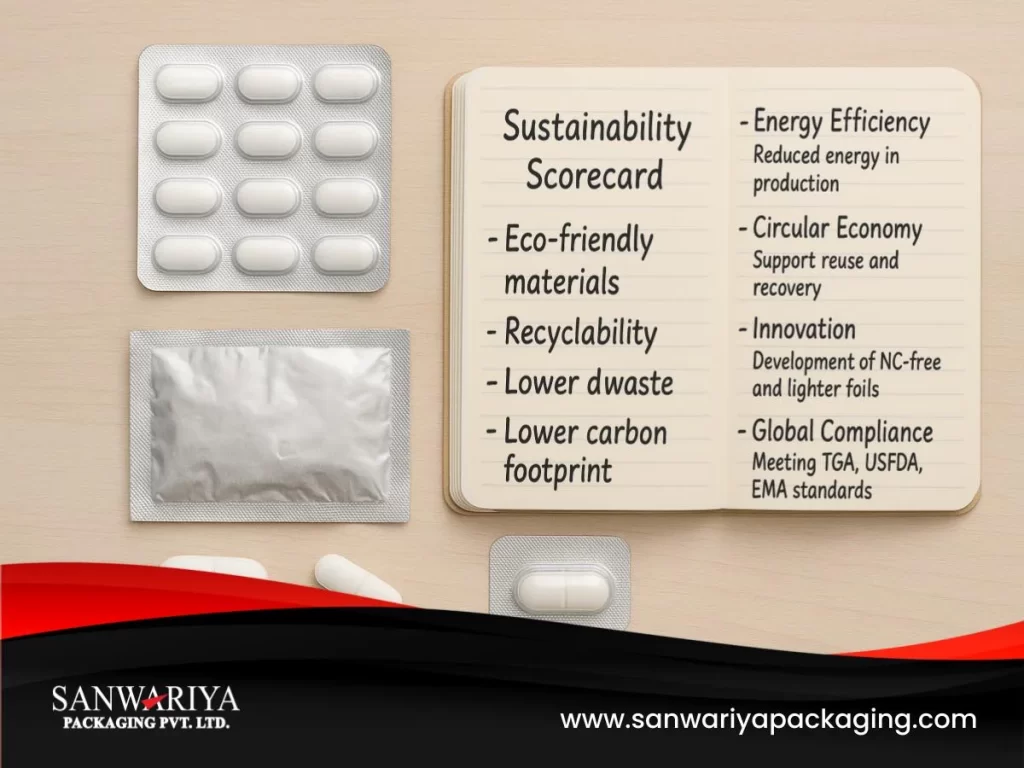
Sustainability is now as important as safety. LATAM health authorities are emphasizing the use of recyclable, lightweight, and low-carbon materials in packaging.

Pharma-grade aluminum foil is gaining regional preference due to its recyclability, durability, and strong barrier protection — making it ideal for eco-compliant drug packaging. Some governments, like Brazil and Chile, are even offering incentives for manufacturers that demonstrate eco-friendly sourcing and reduced waste generation.

Business Insight: Early investment in sustainable foil packaging not only ensures compliance but enhances brand reputation and strengthens tender eligibility in regulated markets.

3. New Norms for Labeling, Serialization & Documentation

The 2026 framework demands complete product traceability and enhanced data integrity in labeling and documentation.

  • Serialization: Unique identifiers and scannable codes will be mandatory in Brazil and Mexico to curb counterfeit medicines.
  • Labeling: Dual-language labels and stricter readability norms are being enforced to improve patient safety and regulatory transparency.
  • Documentation: Importers must maintain validated packaging test reports, updated migration data, and sustainability certifications.
To remain compliant, exporters must strengthen coordination between QA, regulatory affairs, and packaging suppliers to ensure complete data traceability.

4. Common Mistakes That Delay Market Entry

Even experienced exporters face costly rejections due to simple errors such as:

  • Using foil or laminate thicknesses that fail local validation.
  • Ignoring updated labeling and serialization formats.
  • Missing key technical data or test certificates.
Solution: Conduct pre-validation audits with accredited labs and ensure all foil specifications, print data, and coatings meet LATAM standards before dispatch. Early verification prevents revalidation costs, customs delays, and product recalls.

5. Aligning Foil Specifications with LATAM Standards

Pharma-grade aluminum foils must now balance performance, sustainability, and regional compliance.

Exporters should ensure that foil laminates and coatings:

  • Meet LATAM migration and barrier property standards.
  • Are certified for recyclability and safe disposal.
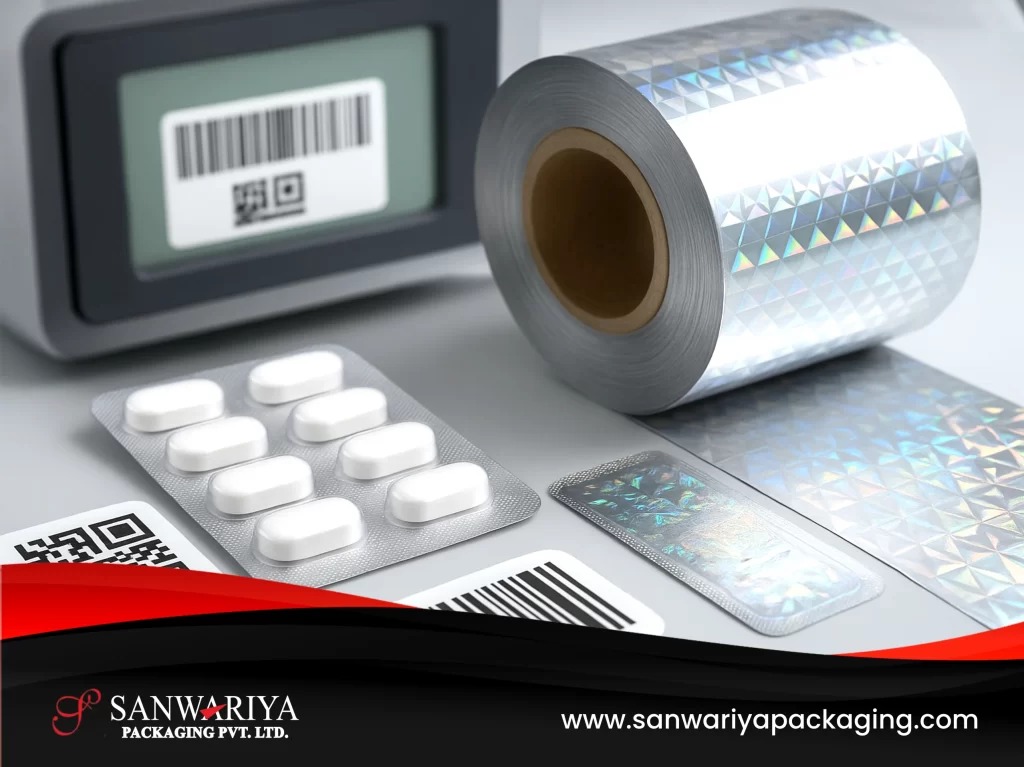
  • Incorporate advanced anti-counterfeit technologies — such as holographic seals, hidden microtext, UV-activated inks, or QR-based traceability — to protect against falsified medicines.
  • Enable serialized digital tracking for authentication at every supply chain stage.
Compliance Insight: Regulators in Brazil and Mexico are encouraging packaging that integrates physical and digital security features to improve patient safety and curb counterfeit circulation.

6. The ROI of Early Compliance

Compliance is no longer a cost — it’s an investment with measurable returns.

Pharma exporters that upgrade early benefit from:

  • Faster product registration through audit-ready documentation.
  • Reduced revalidation expenses when new norms are enforced.
  • Enhanced trust among health authorities and distribution partners.
By adopting compliant, sustainable packaging ahead of time, companies turn regulatory readiness into a strategic market advantage.

7. Preparing for 2026: A Practical Action Plan

Here’s how pharma companies can stay ready and resilient:

  1. Audit current packaging materials for compliance with LATAM standards.
  2. Engage with qualified foil suppliers who offer certified, eco-compliant materials.
  3. Upgrade documentation systems to include recyclability proofs and traceability data.
  4. Train regulatory and QA teams on new labeling and serialization formats.
  5. Collaborate with packaging partners that are globally certified and experienced in LATAM exports.
This proactive approach ensures uninterrupted exports, faster customs clearance, and trusted partnerships in a competitive landscape.

Beyond compliance, LATAM regulators are prioritizing patient safety through packaging authenticity. Security-printed aluminum foils embedded with traceable features are emerging as the gold standard for safeguarding public health and brand integrity.

Compliance Builds Trust and Market Access

The 2026 LATAM packaging reforms are reshaping how medicines are presented, protected, and verified — driving a new era of safe, green, and transparent pharmaceutical trade.

For global pharma exporters, compliance isn’t just about meeting regulations — it’s about building credibility and securing long-term growth in emerging markets.

Sanwariya Packaging supports international pharma companies in achieving seamless LATAM compliance through precision-engineered aluminum foils designed for sustainability, print security, and regulatory alignment — helping brands enter new markets confidently and responsibly.

Pharmaceutical packaging updates across Latin America in 2026

As the European Union’s Packaging and Packaging Waste Regulation (PPWR) moves toward full enforcement in 2026, the pharmaceutical packaging industry stands at a defining moment. For exporters, this is not simply another regulatory update — it’s a strategic shift that will reshape how packaging materials are designed, documented, and certified for entry into one of the world’s most tightly governed markets.

Pharma-grade aluminum foil, trusted for its barrier protection and product stability, must now align with new recyclability and sustainability benchmarks — while continuing to safeguard medicine quality. This evolution marks a clear opportunity for responsible exporters to lead in a greener, compliant Europe.

Understanding PPWR: The New Standard for Pharmaceutical Packaging

The EU’s PPWR aims to create a unified framework that transitions Europe toward a circular packaging economy. In essence, every layer of packaging — from blister foils to transport cartons — must actively contribute to recyclability and waste reduction.

For pharmaceutical aluminum foils, the regulation introduces four major changes:

1. Minimum Recyclability Thresholds

By 2030, most packaging materials must meet defined recyclability levels. Pharma foils will be required to prove recoverability and reprocessing efficiency through documented testing and certification.

2. Material Composition Rules

Multi-layer or coated structures must support material separation in recycling systems. Adhesives, coatings, and laminates must therefore comply with approved recyclability standards.

3. Labeling and Digital Traceability

Packaging will need visible recyclability labeling and digital identifiers — such as QR codes or digital product passports — that link to verified compliance and recycling data.

4. Proof of Sustainability

Exporters must provide certified documentation demonstrating adherence to EU eco-design, recovery, and waste management norms.

In simple terms, pharmaceutical packaging must now protect both the medicine and the planet — equally.

How PPWR Is Transforming Pharma Foil Design

Pharma aluminum foil will remain indispensable for its light, moisture, and oxygen barrier properties, but it must now evolve into a circular, recyclable structure.

To meet PPWR requirements, manufacturers and exporters should prioritize:

  • Recyclable Foil Structures: Move toward mono-material or separable laminates that simplify recovery.
  • Eco-Safe Coatings and Inks: Adopt low-migration, EU-compliant inks and varnishes for chemical safety.
  • Digital Traceability: Integrate QR codes or blockchain IDs for end-to-end transparency.
  • Material Transparency: Certify all inputs — foil, adhesives, inks — under EU recyclability and chemical compliance frameworks.
For instance, many EU packaging partners are shifting from complex PET–foil laminates to mono-material aluminum systems achieving over 95% recyclability — setting the benchmark for PPWR-aligned design.

Compliance Roadmap: How Exporters Can Stay Ready by 2026

Pharma exporters outside the EU — including those in India, Bangladesh, and Egypt — should begin compliance alignment well before enforcement. A proactive approach includes:

  • Audit Current Materials
    Assess existing foil types, laminates, and coatings for recyclability potential.
  • Engage Sustainable Suppliers
    Collaborate with foil converters using EU-recognized sustainability frameworks and testing protocols.
  • Strengthen Documentation Systems
    Digitize Certificates of Analysis, LCAs, and traceability records for faster submissions.
  • Redesign with Eco-Intent
    Where feasible, shift toward lightweight or low-carbon aluminum grades that maintain barrier quality.
  • Build Internal Awareness
    Train packaging, QA, and export teams on PPWR standards, labeling norms, and traceability tools.
By initiating these steps now, exporters ensure smooth access to the EU market and build long-term resilience.

The Cost of Non-Compliance

Failing to meet PPWR standards will carry tangible consequences.

Non-compliant shipments may face:

  • Rejection at EU borders for missing recyclability or labeling documentation
  • Rework and relabeling costs during audits
  • Financial penalties and brand reputation damage for repeat violations

For pharmaceutical exporters, credibility is currency. A single non-compliant consignment can erode years of trust and reliability. Compliance, therefore, is not optional — it’s an essential market qualifier.

Turning Compliance into Competitive Advantage

PPWR compliance offers far more than risk avoidance. Companies that act early gain a sustainable edge in a demanding regulatory landscape. Early adopters can expect:

  • Uninterrupted market access across all EU member states
  • Enhanced brand reputation as sustainability-driven partners
  • Operational efficiency through digital traceability systems
  • Future-readiness for global packaging reforms inspired by EU standards
By aligning sustainability with profitability, exporters transform regulatory readiness into a strategic advantage.

Looking Ahead: The Future of Circular Pharma Packaging

By 2026, pharmaceutical packaging will no longer be judged only by how effectively it protects the medicine, but also by how responsibly it integrates into the circular economy.

The next generation of pharma foils will merge barrier excellence with recyclability, digital traceability, and environmental responsibility.

Exporters who invest today will lead tomorrow’s sustainable supply chains — ensuring their packaging stands not only compliant, but credible, certified, and future-proof.

The EU PPWR redefines pharmaceutical packaging for a sustainable future — demanding compliance, recyclability, and verified transparency at every stage. For exporters, early alignment ensures seamless EU access, stronger partnerships, and a resilient brand identity in a changing global marketplace.

Sanwariya Packaging continues to empower the pharmaceutical industry with recyclable, compliant, and high-performance aluminum foil solutions, enabling clients worldwide to stay ready, reliable, and ahead of regulatory change.

What 2025 Taught Us About Pharma Packaging

Pharma packaging has never been just about wrapping medicines. It safeguards patient health, ensures regulatory compliance, and strengthens trust in global markets.

The year 2025 proved this more than ever. With stricter regulations, rising counterfeit risks, and sustainability moving from CSR to compliance, packaging became a strategic business priority rather than a back-office task.

Here’s what 2025 revealed — and what pharma leaders can take forward into 2026 and beyond.

1. Serialization = Compliance + Patient Confidence

Serialization finally evolved from “regulatory paperwork” to a frontline safeguard. Markets like Russia-CIS and Brazil enforced stricter serialization checks, and even small lapses caused export delays.

Key takeaway:

  • Companies that invested early in robust track-and-trace systems avoided shipment rejections, costly relabeling, and reputational damage.
ROI Insight:
Serialization was not only about compliance. It directly built patient trust by enabling pharmacists and consumers to scan codes and verify authenticity in seconds.

2. Counterfeit Protection Became Non-Negotiable

Counterfeit drugs continued to endanger patients and drain billions from the pharma sector. In 2025, security foils with holograms, microtext, and layered inks shifted from optional upgrades to industry standard.

Compliance shift:

  • Regulators in Asia and Africa made tamper-evident packaging mandatory for several high-risk categories.
Why it matters:
Security foils not only helped prevent recalls but also protected brand equity in markets where counterfeit threats are most severe.

3. Sustainability Turned Into Compliance, Not Just CSR

“Green packaging” was once voluntary — in 2025, it became an export requirement. Lightweight alu-alu foils, recyclable varnishes, and waste-reduction strategies gained traction.

Example:

In the EU, sustainable packaging was linked to faster regulatory approvals under certain eco-innovation schemes.

ROI Advantage:
Beyond reducing carbon footprint, lightweight foils cut transport costs and boosted competitiveness for exporters.

4. Regulatory Scrutiny Tightened Across Export Markets

Regulations became stricter everywhere — from labeling rules in Latin America to climate-specific storage compliance in the Middle East.

Lesson learned:

A “one-size-fits-all” packaging strategy often failed.

Best practice:
Leading exporters began developing market-specific packaging playbooks, tailored for language, serialization, labeling, and climate requirements.

5. Innovation Shifted from Cost Control to Value Creation

2025 proved that pharma packaging was no longer about the cheapest foil per ton. Instead, it was about value:

  • Barrier foils reduced spoilage in tropical climates.
  • Smart printing simplified audits and ensured compliance records.
  • Security features gave brands a visible edge in competitive markets.
ROI takeaway:
Every innovation was judged by how much it prevented losses, reduced recalls, and accelerated approvals.

6. The Future: Smarter, Greener, More Secure

Looking ahead, the path is clear:

  • Smarter: Blockchain-enabled traceability and AI-powered supply chain monitoring.
  • Greener: Next-generation recyclable foils and circular economy practices.
  • More Secure: Hybrid anti-counterfeit solutions combining visible and digital authentication.

2025 reminded the industry that pharma packaging is not just supportive — it is strategic. Companies that embraced serialization, security, and sustainability not only stayed compliant but also gained competitive advantage, trust, and resilience.

As 2026 unfolds, the winners will be those who treat packaging as a value creator for compliance, patient safety, and brand strength.

At Sanwariya Packaging, we help pharma companies stay ahead with safe, compliant, and future-ready packaging solutions that protect patients and empower brands in every market.

A Closer Look at Alu-Alu Foil: Myths vs. Facts

In pharmaceutical packaging, some materials stand out for their ability to protect medicines under the harshest conditions. Alu-Alu foil is one such solution, trusted worldwide for packing sensitive drugs. Yet, myths still surround it — from being “too costly” to “only for premium medicines.”

It’s time to separate myths from facts and understand why Alu-Alu foil is increasingly considered the gold standard in pharma packaging.

What is Alu-Alu Foil?

Alu-Alu foil, short for aluminum–aluminum cold-form blister packaging, is created by laminating aluminum with nylon and PVC (or other polymers). Unlike regular PVC blisters, Alu-Alu provides a complete barrier against:

  • Moisture (critical in tropical and humid climates)
  • Oxygen (prevents oxidation and drug degradation)
  • Light (protects light-sensitive formulations)
  • Contaminants (ensures patient safety)

Because of these properties, Alu-Alu foil is widely used for antibiotics, anti-malarials, and other highly sensitive formulations that demand maximum stability.

Common Myths About Alu-Alu Foil

Myth 1: “It’s the same as regular aluminum foil.”

Fact: Standard blisters usually have a PVC base, which allows some moisture or oxygen to pass through. Alu-Alu foil, however, creates a 100% barrier, essential for unstable drugs in challenging climates.

Myth 2: “It’s only for premium medicines.”

Fact: Once seen as premium, Alu-Alu is now common across essential generics, especially in ICH Zone IVa and IVb regions (hot and humid zones like Southeast Asia, Africa, and Latin America). Here, drug stability is non-negotiable.

Myth 3: “It’s not eco-friendly.”

Fact: Sustainability in pharma packaging is advancing. By optimizing foil thickness and improving recyclability, manufacturers are making Alu-Alu more sustainable. Some companies are already piloting recovery systems for laminate recycling.

Myth 4: “It’s too costly without added benefits.”

Fact: While Alu-Alu may have a slightly higher upfront cost, its long-term value is undeniable:

  • Fewer recalls: Prevents costly drug recalls caused by moisture or oxygen damage.
  • Extended stability: Keeps medicines stable for up to 36 months in tropical conditions vs. 12–18 months in PVC blisters.
  • Extended stability: Alu-Alu packs provide superior protection against moisture, oxygen, and light — helping maintain the stability of sensitive formulations even in hot and humid (Zone IV) climates. The actual stability period should be supported by product-specific stability studies and regulatory data, ensuring evidence-based validation. (Source: Click Here)
  • Global compliance: Meets USFDA, EMA, and WHO standards, minimizing export rejections.

The real ROI isn’t just cost — it’s stability, compliance, and brand protection.

The Facts That Matter

  • Superior Barrier Protection: Blocks moisture, oxygen, and light.
  • Global Regulatory Recognition: Approved and recommended by USFDA, EMA, WHO for sensitive formulations.
  • Extended Shelf Life: Preserves stability even in extreme climates.
  • Patient Safety First: Minimizes contamination and dosage risks.
  • Sustainability Gains: Ongoing research into recyclable laminates.

Why Alu-Alu Foil Matters for Pharma Companies

For pharma manufacturers, packaging is not just about containment — it’s about compliance, reputation, and trust. Alu-Alu foil helps companies:

  • Meet global export requirements without risking rejection.
  • Protect brands against counterfeiting when combined with serialization printing.
  • Avoid costly recalls and shipment delays due to weak packaging.
  • Strengthen patient trust by delivering safe, stable medicines every time.

Alu-Alu Foil is more than packaging. It is a future-ready solution for drug safety, regulatory compliance, and brand credibility in global markets. While myths persist, the facts are undeniable: Alu-Alu foil offers unmatched protection, longer shelf life, and safeguards patients as well as pharmaceutical companies.

In a world where drug stability can determine patient health outcomes, Alu-Alu Foil stands as a reliable guardian of quality.

Partnering for Safer Pharma Packaging

At Sanwariya Packaging, we deliver pharma-grade Alu-Alu Foils engineered for the highest barrier protection and global compliance. Our expertise ensures your medicines remain stable, secure, and trusted across diverse markets.

Reach out to our team today to discover how our advanced packaging solutions can help you protect your products and your brand reputation.

Pharma Packaging Mistakes Exporters Still Make

In pharmaceutical exports, packaging is far more than an afterthought — it’s a regulatory gatekeeper. A single misstep in materials, labeling, or serialization can lead to shipment rejections, compliance failures, or even patient safety risks.

Unfortunately, many exporters still repeat critical packaging mistakes that cost them valuable time, money, and brand trust. This blog outlines the six most common errors — and how to avoid them with practical, compliance-aligned solutions.

“Up to 70% of pharma export rejections involve packaging-related errors.” — WHO Compliance Brief, 2023

Common Mistakes to Avoid in Export Pharma Packaging

  • Wrong foil for Zone IV climates
  • Ignoring local packaging regulations
  • Poor serialization or aggregation
  • Incomplete patient instructions
  • Missing validation/testing reports
Fix: Validate packaging, localize labeling, and document everything.

Learn more about how barrier-grade foil protects blister seal integrity in export climates.

1. Material Mismatch: The Wrong Foil for the Wrong Climate

Exporters often select standard foil laminates without considering regional climate conditions — a decision that can compromise product integrity.

For instance, destinations like Brazil or Nigeria fall under ICH Zones IVa/IVb, where high heat and humidity are the norm. If the foil lacks proper moisture vapor transmission (MVTR) or oxygen barrier properties, medicines can degrade during transit or shelf life.

Solution: Validate all packaging materials, especially blister foils, against destination-specific ICH climatic zone data. Ensure sealing parameters are optimized for those conditions.

2. Ignoring Country-Specific Regulatory Requirements

What complies in India may be non-compliant in Brazil, Russia, or the EU. Exporters often miss key packaging mandates:

  • Russia (Chestny ZNAK): Requires serialization and aggregation for all medicinal products.
  • Brazil (ANVISA): Mandates GS1-standard 2D barcodes and traceability submissions.
  • Europe (EU FMD): Demands tamper-evidence and a unique identifier (UI) for prescription medicines.
Mistake: Relying on generic packaging templates or skipping regional compliance audits.

Solution: Work with regulatory specialists or experienced suppliers who understand localized compliance. Adapt packaging lines accordingly.

3. Underestimating Transit Stress & Environmental Conditions

Pharma packaging that performs well in warehouse conditions may fail during global transit due to:

  • Repeated loading/unloading
  • Exposure to heat or condensation
  • Rough handling at ports and airports
Microleaks in blisters or poor laminate adhesion can cause contamination or potency loss.

Solution: Simulate real-world conditions using ICH stability studies (Zone IVb) and transport validation protocols. Test for seal integrity, barrier performance, and container closure integrity (CCI).

4. Serialization Errors and Traceability Gaps

Serialization is no longer optional — yet exporters still fall into traps like:

  • Misaligned barcodes or unreadable QR codes
  • Incomplete aggregation hierarchy (primary → secondary → tertiary)
  • Serialization systems that don’t integrate with local authority databases
Result: Failed inspections, customs clearance delays, and brand credibility damage.

Solution: Use high-resolution printing systems with secure inks and contrast optimization. Collaborate with foil vendors that support serialization-friendly printing and offer tamper-evident features.

5. Poor Localization of Language, Labeling & Instructions

Even technically compliant packaging can fail due to poor localization:

  • Wrong dosage unit (e.g., mg vs. mcg)
  • Incomplete patient warnings
  • Misinterpretation due to non-local terminology
Consequence: Patient misuse, regulatory penalties, or product recalls.

Solution: Localize all label elements, including drug names, storage conditions, and usage instructions. Review country-specific labeling regulations in detail.

6. Inadequate Documentation & Validation

A lack of robust documentation can halt shipments or fail audits:

  • Missing batch records or sealing validations
  • No verification of tamper-evidence
  • Absence of peel strength or vacuum leak test reports
Regulatory authorities demand full traceability — from printed foil to final shipper.

Solution: Implement GMP-aligned packaging validation, including:

  • Dye ingress & vacuum leak testing
  • Peel strength analysis
  • Tamper-evidence verification

Ensure all testing is documented and auditable.

Best Practices for Export-Ready Packaging

To avoid these pitfalls, pharma exporters should:

  • Conduct climate-specific risk assessments
  • Work with specialized foil suppliers for serialization & compliance support
  • Standardize validation protocols and maintain complete QA documentation
  • Train teams on evolving global regulations
  • Audit packaging under realistic transport simulations

Your Packaging is Your Passport

In global pharma logistics, packaging does more than protect — it represents your compliance, your credibility, and your commitment to patient safety.

One overlooked regulation or mismatched foil can jeopardize months of manufacturing and market access. That’s why export packaging demands precision, foresight, and verified quality.

At Sanwariya Packaging, we support pharma exporters with:

  • High-barrier aluminum foils tailored to climate zones
  • Serialization-ready printing with tamper-evidence and regulatory compliance
  • End-to-end documentation and validation support
  • Region-specific guidance for global shipments

Partner with us to safeguard your global supply chain — from formulation to final market.