In hot and humid regions like Latin America, Asia, and Africa, medicines can lose up to 30% of their potency within weeks if not packaged correctly. This isn’t just a patient safety issue — it can lead to failed stability tests, regulatory delays, costly recalls, and damaged brand reputation.
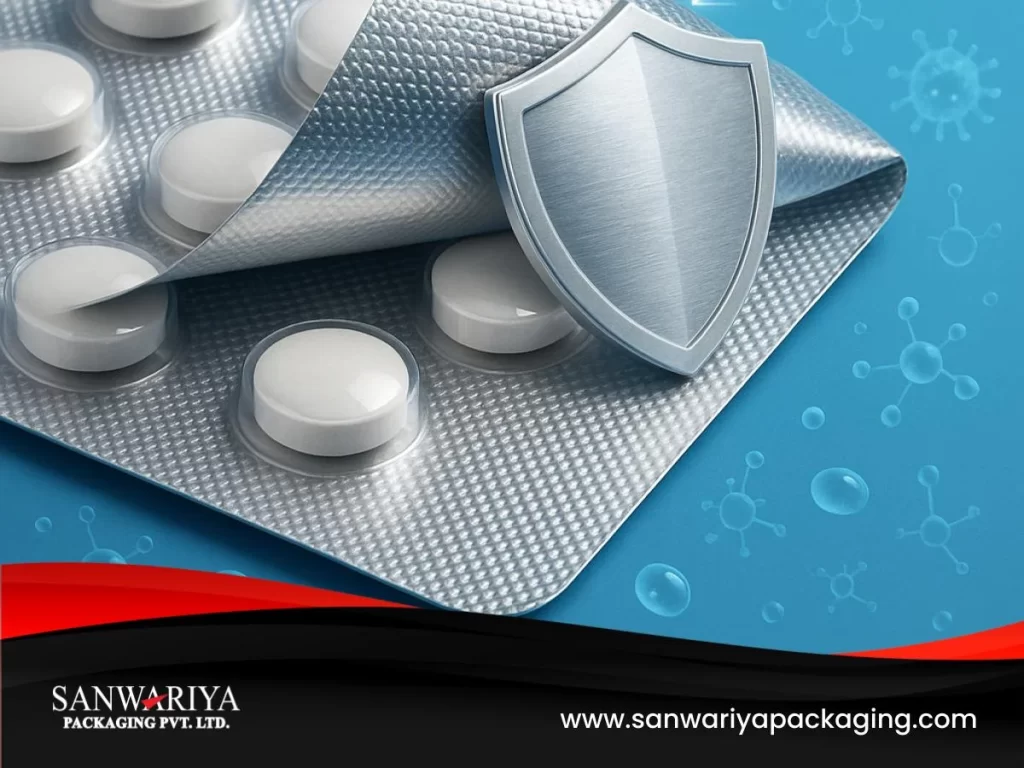
That’s why aluminum barrier foil is more than just packaging. It is the pharmaceutical industry’s most reliable safeguard against moisture, oxygen, light, and contamination — all factors that can shorten a drug’s shelf life or compromise its effectiveness.
Barrier protection is a material’s ability to shield medicines from environmental threats. Without it, even well-formulated drugs can degrade. The key elements barrier foil protects against include:
- Moisture: It can trigger chemical breakdown, microbial growth, or active ingredient loss.
- Oxygen: It can cause oxidation, reducing the drug’s potency.
- Light: UV and visible light can destabilize sensitive drugs like vitamins, hormones, and antibiotics.
- Contaminants: Dust and airborne particles can compromise sterility and safety.
These risks are magnified in countries classified as ICH Climatic Zones III and IV (hot and humid regions) under global stability guidelines. The International Council for Harmonisation (ICH) sets strict testing standards for medicines in these zones. Meeting these standards often requires high-performance aluminum barrier foil to ensure products stay stable and pass regulatory reviews.
Aluminum foil outperforms plastics like PVC or PVDC in nearly every key metric, providing unmatched barrier protection and regulatory reliability.
| Property | Aluminum Foil | PVC/PVDC Film |
| Moisture Barrier | Excellent (WVTR < 0.01) | Moderate (WVTR ~0.2–0.5) |
| Oxygen Barrier | Excellent | Low |
| Light Barrier | 100% Protection | Partial |
| Chemical Inertness | Non-reactive | May leach under stress |
| Recyclability | High | Low |
Because it is non-reactive and chemically stable, aluminum is ideal for protecting moisture-sensitive, pH-sensitive, and light-sensitive drugs, ensuring they remain safe and effective until the end of their shelf life.
Where Barrier Foil Makes the Most Impact
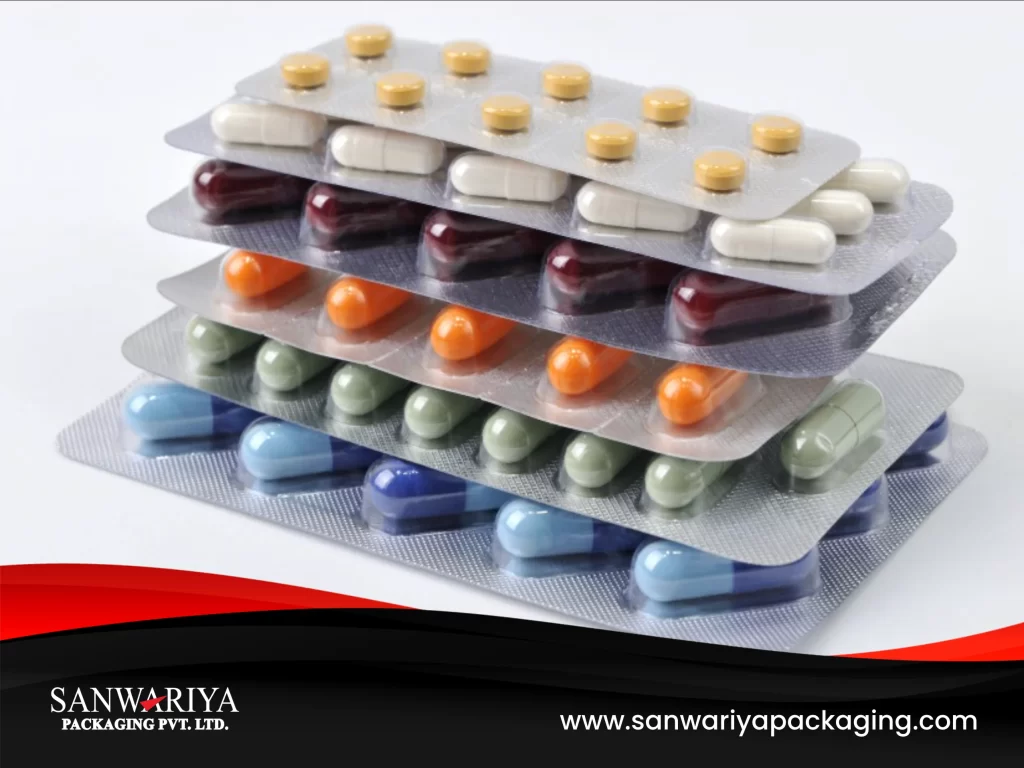
- Alu-Alu Blisters – Maximum barrier for highly sensitive tablets like antibiotics and blood pressure medicines.
- PVC-Alu Blisters – A balanced, cost-effective solution for moderate protection needs.
- Strip Packs – Ideal for powders, dispersible tablets, and single-dose products.
- Sachets – Perfect for granules requiring airtight sealing.
The Business Case for Barrier Foil
1. Extended Shelf Life
Barrier foil helps products pass both real-time and accelerated stability tests, even in ICH Zone IV conditions, ensuring medicines remain effective until they reach patients worldwide.
2. Global Regulatory Compliance
Aluminum foil meets packaging standards from leading authorities, including:
- US FDA
- EMA (Europe)
- TGA (Australia)
- WHO Prequalification Programs
3. Using aluminum foil simplifies approvals and avoids packaging-related audit issues when entering multiple international markets.
4. Reduced Risk and Cost
By preventing degradation, foil packaging helps cut down on:
- Stability failures
- Recalls and returns
- Customer complaints and brand damage
5. The result:
Lower quality costs and stronger market reputation.
To make sure your packaging performs as expected, every pharmaceutical company should:
- Verify the foil’s moisture and oxygen transmission rates (WVTR and OTR).
- Choose the right laminate structure (PET, PE, lacquer layers) for the product’s sensitivity.
- Test sealing strength at the intended thickness and processing temperatures.
- Conduct ICH-compliant stability studies under real-time and accelerated conditions.
- Even a high-quality formulation can fail a stability study if the foil isn’t matched to the product or climate.
The pharmaceutical industry is moving toward solutions that balance performance, sustainability, and security, including:
- Recyclable, ultra-thin aluminum foils that cut down on material waste.
- Bio-based adhesives and coatings for greener laminate structures.
- Smart foils with built-in tamper indicators, authentication features, and digital tracking via QR or NFC codes.
These advancements help manufacturers stay compliant while meeting growing environmental and anti-counterfeit demands.
In pharmaceuticals, packaging isn’t just a wrapper — it’s the final shield that protects your product, your brand, and ultimately, the patient. Aluminum barrier foil remains the most trusted and proven material for ensuring drug stability, safety, and compliance worldwide.
Whether your medicines face harsh climates, light sensitivity, or strict regulatory scrutiny, choosing the right barrier foil can protect your investment and reputation.
Let’s Talk Protection You Can Count On
At Sanwariya Packaging, we deliver science-backed, customized aluminum foil solutions that help pharmaceutical companies achieve stability, compliance, and market confidence.
Contact our technical team today for guidance or request a free barrier foil sample to see how we can protect what matters most — your product and your patients.