Blog by Sanwariya Packaging

Your Trusted Partner in Packaging

Learn About Our Vision for the Future And Grow with Us.

Your Trusted Partner in Pharma Packaging

Learn about our vision for the future and grow with us.

Your Trusted Partner
in Pharma Packaging

Learn about our vision for the future and grow with us.

Know More

Tag: Cold Form Foil

A Closer Look at Alu-Alu Foil: Myths vs. Facts

In pharmaceutical packaging, some materials stand out for their ability to protect medicines under the harshest conditions. Alu-Alu foil is one such solution, trusted worldwide for packing sensitive drugs. Yet, myths still surround it — from being “too costly” to “only for premium medicines.”

It’s time to separate myths from facts and understand why Alu-Alu foil is increasingly considered the gold standard in pharma packaging.

What is Alu-Alu Foil?

Alu-Alu foil, short for aluminum–aluminum cold-form blister packaging, is created by laminating aluminum with nylon and PVC (or other polymers). Unlike regular PVC blisters, Alu-Alu provides a complete barrier against:

  • Moisture (critical in tropical and humid climates)
  • Oxygen (prevents oxidation and drug degradation)
  • Light (protects light-sensitive formulations)
  • Contaminants (ensures patient safety)

Because of these properties, Alu-Alu foil is widely used for antibiotics, anti-malarials, and other highly sensitive formulations that demand maximum stability.

Common Myths About Alu-Alu Foil

Myth 1: “It’s the same as regular aluminum foil.”

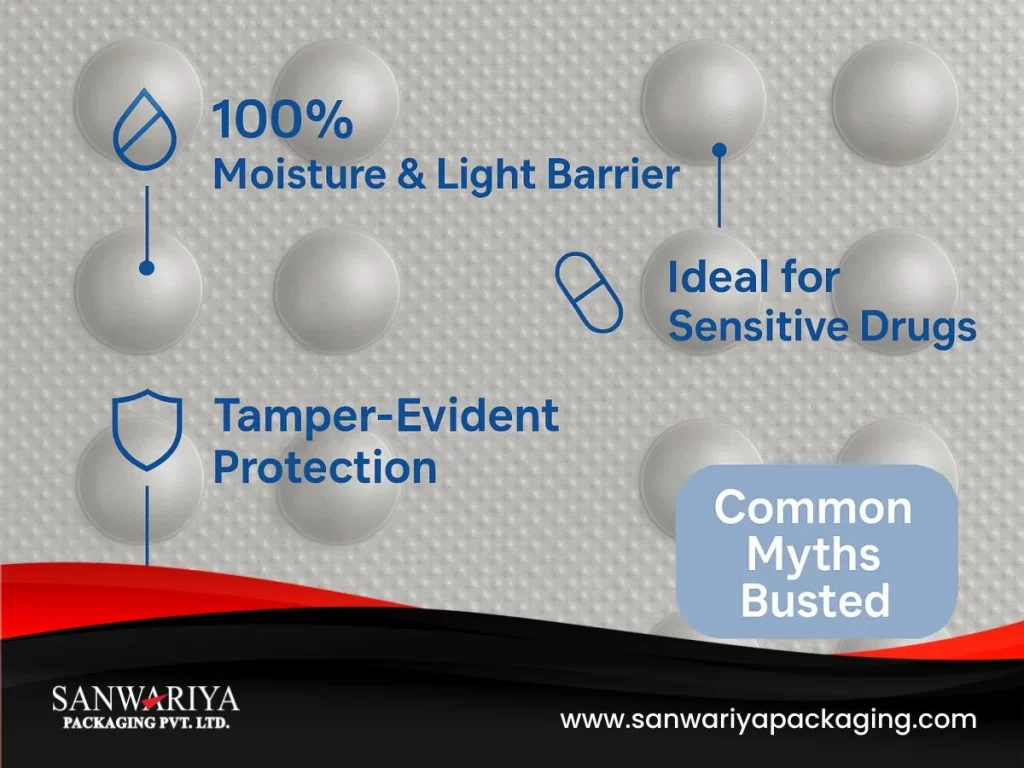
Fact: Standard blisters usually have a PVC base, which allows some moisture or oxygen to pass through. Alu-Alu foil, however, creates a 100% barrier, essential for unstable drugs in challenging climates.

Myth 2: “It’s only for premium medicines.”

Fact: Once seen as premium, Alu-Alu is now common across essential generics, especially in ICH Zone IVa and IVb regions (hot and humid zones like Southeast Asia, Africa, and Latin America). Here, drug stability is non-negotiable.

Myth 3: “It’s not eco-friendly.”

Fact: Sustainability in pharma packaging is advancing. By optimizing foil thickness and improving recyclability, manufacturers are making Alu-Alu more sustainable. Some companies are already piloting recovery systems for laminate recycling.

Myth 4: “It’s too costly without added benefits.”

Fact: While Alu-Alu may have a slightly higher upfront cost, its long-term value is undeniable:

  • Fewer recalls: Prevents costly drug recalls caused by moisture or oxygen damage.
  • Extended stability: Keeps medicines stable for up to 36 months in tropical conditions vs. 12–18 months in PVC blisters.
  • Extended stability: Alu-Alu packs provide superior protection against moisture, oxygen, and light — helping maintain the stability of sensitive formulations even in hot and humid (Zone IV) climates. The actual stability period should be supported by product-specific stability studies and regulatory data, ensuring evidence-based validation. (Source: Click Here)
  • Global compliance: Meets USFDA, EMA, and WHO standards, minimizing export rejections.

The real ROI isn’t just cost — it’s stability, compliance, and brand protection.

The Facts That Matter

  • Superior Barrier Protection: Blocks moisture, oxygen, and light.
  • Global Regulatory Recognition: Approved and recommended by USFDA, EMA, WHO for sensitive formulations.
  • Extended Shelf Life: Preserves stability even in extreme climates.
  • Patient Safety First: Minimizes contamination and dosage risks.
  • Sustainability Gains: Ongoing research into recyclable laminates.

Why Alu-Alu Foil Matters for Pharma Companies

For pharma manufacturers, packaging is not just about containment — it’s about compliance, reputation, and trust. Alu-Alu foil helps companies:

  • Meet global export requirements without risking rejection.
  • Protect brands against counterfeiting when combined with serialization printing.
  • Avoid costly recalls and shipment delays due to weak packaging.
  • Strengthen patient trust by delivering safe, stable medicines every time.

Alu-Alu Foil is more than packaging. It is a future-ready solution for drug safety, regulatory compliance, and brand credibility in global markets. While myths persist, the facts are undeniable: Alu-Alu foil offers unmatched protection, longer shelf life, and safeguards patients as well as pharmaceutical companies.

In a world where drug stability can determine patient health outcomes, Alu-Alu Foil stands as a reliable guardian of quality.

Partnering for Safer Pharma Packaging

At Sanwariya Packaging, we deliver pharma-grade Alu-Alu Foils engineered for the highest barrier protection and global compliance. Our expertise ensures your medicines remain stable, secure, and trusted across diverse markets.

Reach out to our team today to discover how our advanced packaging solutions can help you protect your products and your brand reputation.

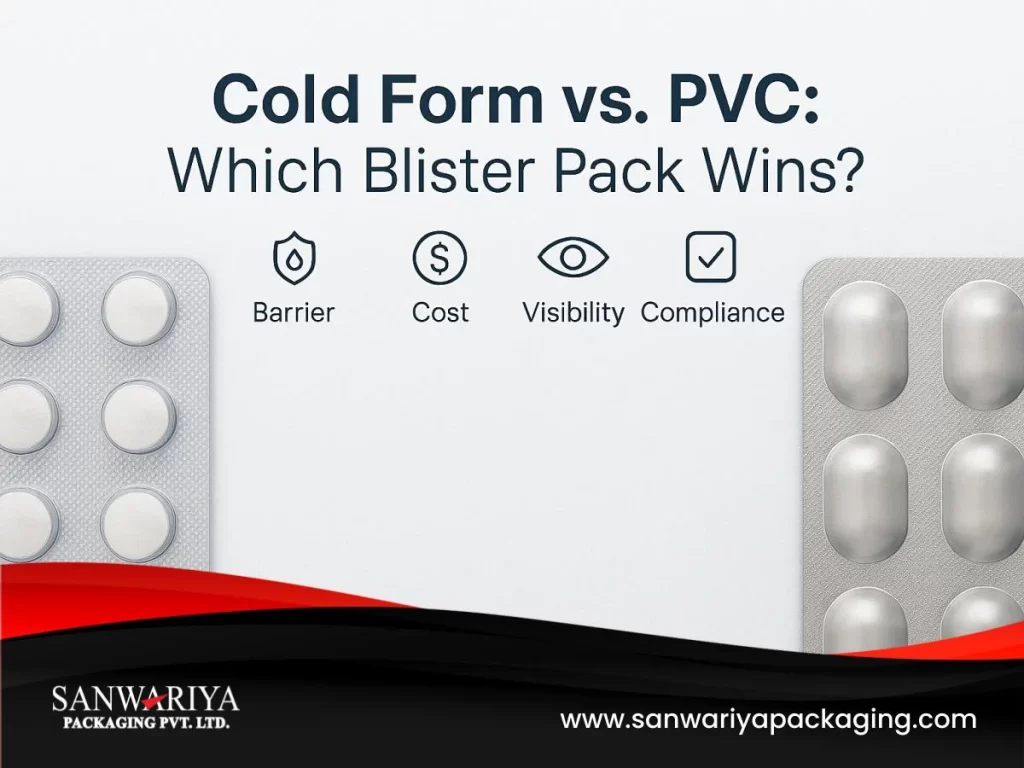
Cold Form vs. PVC: Choosing the Right Blister Packaging

In the world of pharmaceutical packaging, choosing the right blister pack isn’t just about sealing a product—it’s about safeguarding quality, ensuring compliance, and elevating patient safety. Among the most common materials used in blister packaging, Cold Form (Alu-Alu) and PVC (Polyvinyl Chloride) dominate the landscape. But which is the better fit for your formulation?

Let’s dive into the key differences, benefits, and considerations to help you make the right packaging choice for your next pharmaceutical product.

Understanding the Basics

1. PVC Blister Packaging

PVC is the most commonly used material for thermoformed blister packs. It’s a plastic film that, when heated, forms a cavity to hold tablets or capsules. It’s typically sealed with aluminum foil on the back.

2. Cold Form (Alu-Alu) Packaging

Cold-form packaging uses a laminate of aluminum, usually combined with polyamide and PVC layers. It’s formed without heat, using pressure to create cavities. This process results in an ultra-high barrier pack that’s completely opaque.

3. Cold Form vs. PVC: The Face-Off

FeaturePVCCold Form (Alu Alu)
Barrier ProtectionModerateExcellent (100% barrier)
VisibilityTransparentOpaque
CostLowerHigher
Forming ProcessThermoformingCold forming
Shelf LifeStandardExtended
SustainabilityLimitedHigher (PVC-free options available)
ApplicationsStable drugsSensitive formulations

When to Choose PVC Blister Packs

PVC is often the go-to solution for cost-sensitive projects or when the drug does not require high-barrier protection. It’s lightweight, easy to process, and offers product visibility—an important aspect for patient trust and compliance.

Ideal for:

  • Stable formulations
  • High-volume OTC drugs
  • Products requiring visual inspection

When to Choose Cold Form Blister Packs

Cold-form packaging is all about protection. Its high-barrier structure shields medications from moisture, oxygen, and light, making it perfect for sensitive APIs and international distribution where varying climates are a concern.

Ideal for:

  • Moisture-sensitive formulations
  • Light-sensitive drugs
  • High-value pharmaceuticals
  • Global distribution

Regulatory Considerations

Both materials are accepted by major health authorities, but with rising environmental demands, Alu-Alu packaging is becoming more favored—especially with PVC-free and recyclable alternatives.

At Sanwariya Packaging, we offer compliant, future-forward foil solutions that align with FDA, EMA, TGA, and WHO standards.

A Strategic Packaging Decision

The choice between Cold Form and PVC isn’t just a technical one—it’s strategic. It impacts product integrity, brand reputation, logistics, and ultimately, patient health. That’s why it’s crucial to work with a packaging partner who understands the science behind the solution.

Why Partner with Sanwariya Packaging?

We specialize in pharmaceutical-grade blister foils tailored to your specific requirements—whether you’re scaling an affordable OTC product or launching a breakthrough, high-value drug.

  • PVC-compatible lidding foils with custom print and security features
  • Cold-form Alu-Alu laminates for ultimate barrier protection
  • Fully compliant materials across regulatory zones
  • Eco-conscious options with NC-free and recyclable foil technologies

Let’s make your packaging a competitive advantage.

Contact us today to explore how Sanwariya Packaging can help you choose the right blister foil and stand out in a competitive pharmaceutical market.

Choosing the Right Aluminum Foil for Pharma Packaging

Pharmaceutical packaging is more than a protective cover—it’s a critical layer that ensures drug stability, prevents contamination, and meets rigorous global standards. Among various materials, aluminum foil stands out as the gold standard for its exceptional barrier protection, durability, and compliance.

Selecting the right pharmaceutical-grade aluminum foil is essential for maintaining product integrity, extending shelf life, and safeguarding against counterfeiting. In this blog, we’ll explore the essential considerations, industry challenges, and innovative trends driving the future of pharma foil packaging.

Why Aluminum Foil Is a Cornerstone of Pharma Packaging

Aluminum foil provides unmatched protection compared to plastic or paper-based alternatives. Here’s why it remains the material of choice:

  • Total Barrier Protection: Blocks moisture, oxygen, UV light, and contaminants to prevent drug degradation.
  • Extended Shelf Life: Preserves potency of tablets, capsules, and powders over time.
  • Anti-Counterfeit Features: Enables integration of holograms, tamper-evident layers, and serialization.
  • Regulatory Compliance: Approved by FDA, EMA, TGA, WHO, and other global bodies.

From blister packs to cold-form solutions, aluminum foil plays a vital role in maintaining the quality and security of pharmaceutical products.

Types of Pharmaceutical-Grade Aluminum Foil

Different drug formulations demand tailored packaging. The most widely used foils in the industry include:

  • Blister Foil (Push-Through): Soft foil laminated with heat-sealing lacquer for tablets and capsules.
  • Cold-Form Foil (Alu-Alu): Multi-layer, high-barrier foil ideal for moisture-sensitive formulations.
  • Strip Foil: Delivers complete seal integrity for unit-dose formats.
  • Child-Resistant Foil: Built with added safety features to prevent accidental ingestion.
  • Paper-Aluminum Laminate: Used in sachets and pouches for powders and granules.

Choosing the right type ensures efficient packaging, safety compliance, and maximum protection.

What to Look for When Choosing Aluminum Foil

Making the wrong packaging choice can result in product spoilage, regulatory issues, or consumer safety risks. Key factors to evaluate include:

  • Barrier Properties: High-barrier foils that resist moisture, oxygen, and UV exposure.
  • Drug Compatibility: Specialized coatings for APIs that may interact with packaging materials.
  • Heat-Seal Strength: Essential for leak-proof blister and strip packs.
  • Anti-Counterfeit Enhancements: Options like holographic layers, QR codes, or serialization.
  • Sustainability: Eco-conscious materials such as recyclable foils and solvent-free coatings.

Addressing Industry Challenges in Foil Packaging

Challenge 1: Cost vs. Quality

  • Issue: Premium foils raise production costs.
  • Solution: Leverage bulk sourcing, long-term supplier partnerships, and material efficiency strategies.

Challenge 2: Navigating Global Regulations

  • Issue: Differing international standards (FDA, EMA, TGA) complicate compliance.
  • Solution: Partner with GMP-certified suppliers offering pre-approved, compliant foils.

Challenge 3: Combating Counterfeits

  • Issue: Fake medications threaten patient safety.
  • Solution: Use high-security foils with tamper-evidence, serialization, and digital traceability.

Emerging Trends in Pharmaceutical Foil Packaging

The future of pharmaceutical packaging is being reshaped by innovation. Key trends include:

  • Nano-Coated Foils – Ultra-high barrier protection against moisture, gases, and chemicals.
  • Smart Packaging – Integration of NFC chips and sensors for real-time product monitoring.
  • Sustainable Foils – Eco-friendly alternatives like biodegradable or fully recyclable aluminum.

By 2030, over 70% of pharmaceutical companies are expected to adopt smart and sustainable packaging systems.

Partner with Sanwariya Packaging for Excellence

Choosing the right aluminum foil isn’t just a technical decision—it’s a strategic one. From ensuring compliance and safety to enhancing brand trust, your packaging partner plays a pivotal role.

At Sanwariya Packaging, we offer a complete range of pharmaceutical-grade aluminum foils tailored for your unique needs. Whether you’re seeking high-barrier cold-form foils, custom anti-counterfeit solutions, or eco-friendly alternatives, we’re here to help you protect your products and your reputation.

Ready to upgrade your pharma packaging?

Let’s talk. Contact us today to explore how Sanwariya Packaging can help you stay ahead in an evolving industry.