
Blog by Sanwariya Packaging

Your Trusted Partner in Packaging

Learn About Our Vision for the Future And Grow with Us.

Your Trusted Partner in Pharma Packaging

Learn about our vision for the future and grow with us.

Your Trusted Partner
in Pharma Packaging

Learn about our vision for the future and grow with us.

Know More

Tag: Serialization

Pharma Packaging Mistakes Exporters Still Make

In pharmaceutical exports, packaging is far more than an afterthought — it’s a regulatory gatekeeper. A single misstep in materials, labeling, or serialization can lead to shipment rejections, compliance failures, or even patient safety risks.

Unfortunately, many exporters still repeat critical packaging mistakes that cost them valuable time, money, and brand trust. This blog outlines the six most common errors — and how to avoid them with practical, compliance-aligned solutions.

“Up to 70% of pharma export rejections involve packaging-related errors.” — WHO Compliance Brief, 2023

Common Mistakes to Avoid in Export Pharma Packaging

  • Wrong foil for Zone IV climates
  • Ignoring local packaging regulations
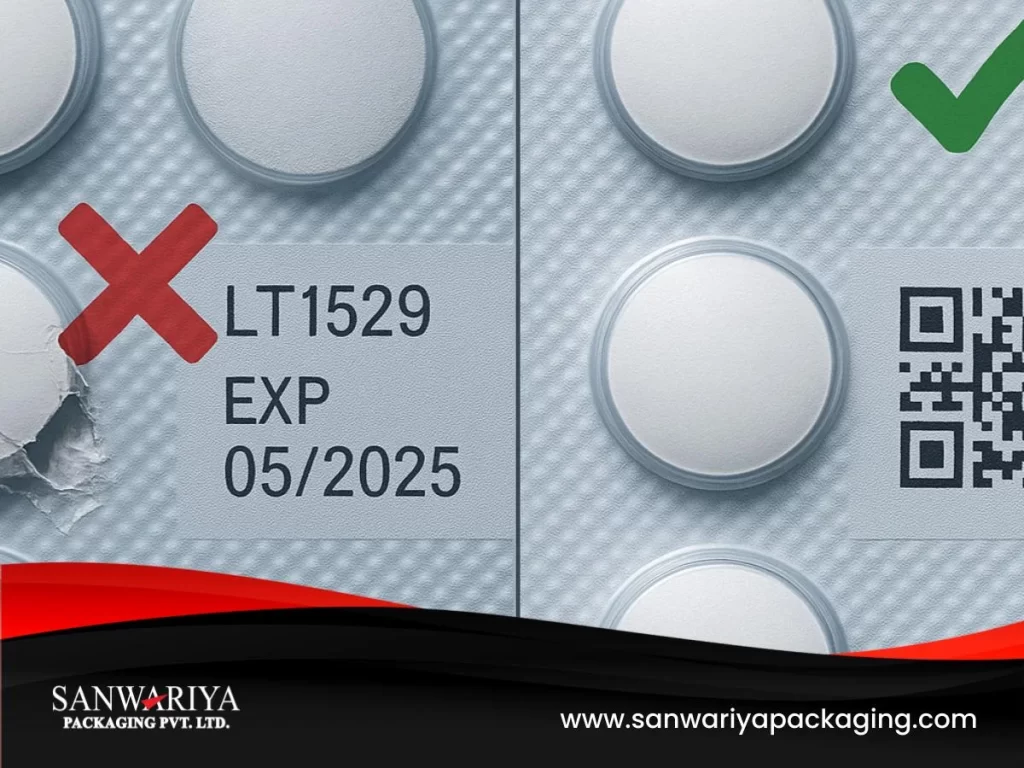
  • Poor serialization or aggregation
  • Incomplete patient instructions
  • Missing validation/testing reports
Fix: Validate packaging, localize labeling, and document everything.

Learn more about how barrier-grade foil protects blister seal integrity in export climates.

1. Material Mismatch: The Wrong Foil for the Wrong Climate

Exporters often select standard foil laminates without considering regional climate conditions — a decision that can compromise product integrity.

For instance, destinations like Brazil or Nigeria fall under ICH Zones IVa/IVb, where high heat and humidity are the norm. If the foil lacks proper moisture vapor transmission (MVTR) or oxygen barrier properties, medicines can degrade during transit or shelf life.

Solution: Validate all packaging materials, especially blister foils, against destination-specific ICH climatic zone data. Ensure sealing parameters are optimized for those conditions.

2. Ignoring Country-Specific Regulatory Requirements

What complies in India may be non-compliant in Brazil, Russia, or the EU. Exporters often miss key packaging mandates:

  • Russia (Chestny ZNAK): Requires serialization and aggregation for all medicinal products.
  • Brazil (ANVISA): Mandates GS1-standard 2D barcodes and traceability submissions.
  • Europe (EU FMD): Demands tamper-evidence and a unique identifier (UI) for prescription medicines.
Mistake: Relying on generic packaging templates or skipping regional compliance audits.

Solution: Work with regulatory specialists or experienced suppliers who understand localized compliance. Adapt packaging lines accordingly.

3. Underestimating Transit Stress & Environmental Conditions

Pharma packaging that performs well in warehouse conditions may fail during global transit due to:

  • Repeated loading/unloading
  • Exposure to heat or condensation
  • Rough handling at ports and airports
Microleaks in blisters or poor laminate adhesion can cause contamination or potency loss.

Solution: Simulate real-world conditions using ICH stability studies (Zone IVb) and transport validation protocols. Test for seal integrity, barrier performance, and container closure integrity (CCI).

4. Serialization Errors and Traceability Gaps

Serialization is no longer optional — yet exporters still fall into traps like:

  • Misaligned barcodes or unreadable QR codes
  • Incomplete aggregation hierarchy (primary → secondary → tertiary)
  • Serialization systems that don’t integrate with local authority databases
Result: Failed inspections, customs clearance delays, and brand credibility damage.

Solution: Use high-resolution printing systems with secure inks and contrast optimization. Collaborate with foil vendors that support serialization-friendly printing and offer tamper-evident features.

5. Poor Localization of Language, Labeling & Instructions

Even technically compliant packaging can fail due to poor localization:

  • Wrong dosage unit (e.g., mg vs. mcg)
  • Incomplete patient warnings
  • Misinterpretation due to non-local terminology
Consequence: Patient misuse, regulatory penalties, or product recalls.

Solution: Localize all label elements, including drug names, storage conditions, and usage instructions. Review country-specific labeling regulations in detail.

6. Inadequate Documentation & Validation

A lack of robust documentation can halt shipments or fail audits:

  • Missing batch records or sealing validations
  • No verification of tamper-evidence
  • Absence of peel strength or vacuum leak test reports
Regulatory authorities demand full traceability — from printed foil to final shipper.

Solution: Implement GMP-aligned packaging validation, including:

  • Dye ingress & vacuum leak testing
  • Peel strength analysis
  • Tamper-evidence verification

Ensure all testing is documented and auditable.

Best Practices for Export-Ready Packaging

To avoid these pitfalls, pharma exporters should:

  • Conduct climate-specific risk assessments
  • Work with specialized foil suppliers for serialization & compliance support
  • Standardize validation protocols and maintain complete QA documentation
  • Train teams on evolving global regulations
  • Audit packaging under realistic transport simulations

Your Packaging is Your Passport

In global pharma logistics, packaging does more than protect — it represents your compliance, your credibility, and your commitment to patient safety.

One overlooked regulation or mismatched foil can jeopardize months of manufacturing and market access. That’s why export packaging demands precision, foresight, and verified quality.

At Sanwariya Packaging, we support pharma exporters with:

  • High-barrier aluminum foils tailored to climate zones
  • Serialization-ready printing with tamper-evidence and regulatory compliance
  • End-to-end documentation and validation support
  • Region-specific guidance for global shipments

Partner with us to safeguard your global supply chain — from formulation to final market.

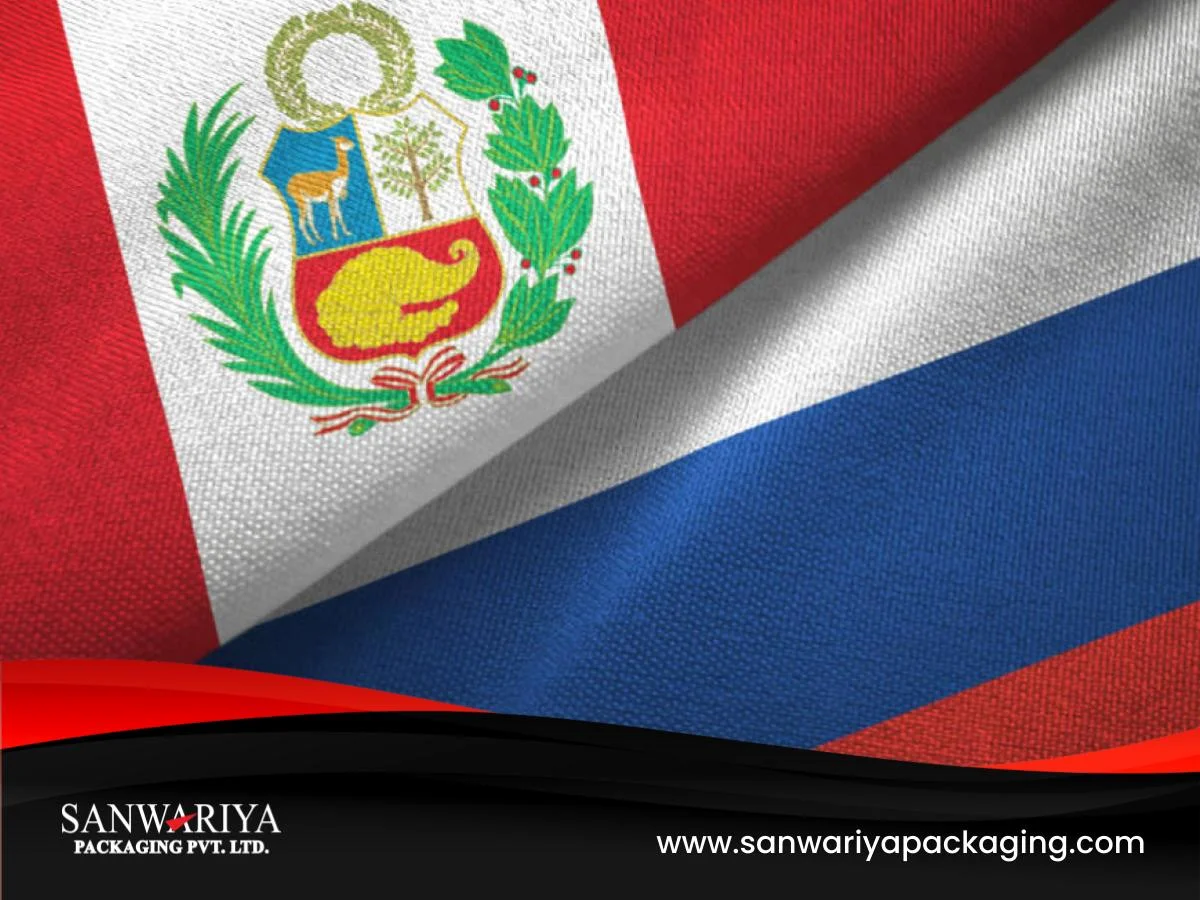
Ensure seamless pharma exports to Latin America and Russia–CIS. Navigate serialization, anti-counterfeit mandates, and packaging laws with Sanwariya’s regulation-ready solutions.

In today’s global pharmaceutical landscape, packaging compliance isn’t a checkbox — it’s your entry pass. With Latin America and the Russia–CIS region emerging as high-potential markets, exporters must prepare for unique packaging regulations shaped by serialization mandates, multi-language labeling, anti-counterfeit features, and regional barcode standards.

This guide breaks down what it takes to confidently ship compliant pharmaceutical products to these dynamic regions — and how Sanwariya Packaging can support you at every step.

Understand the Regulatory Landscape

1. Latin America

Composed of key pharma markets like Brazil, Argentina, and Colombia, the region is regulated by national authorities such as:

  • ANVISA (Brazil)
  • ANMAT (Argentina)
  • INVIMA (Colombia)

2. Russia–CIS

Led by Roszdravnadzor (Russia) and governed under the Eurasian Economic Union (EAEU), these countries follow regionally aligned packaging and serialization protocols.

Each market enforces distinct requirements — making localized packaging expertise essential.

Compliance Snapshot: Latin America vs Russia–CIS

Regulatory FactorLatin AmericaRussia–CIS
Labeling LanguageSpanish or Portuguese (country-specific)Russian + local EAEU language (where applicable)
SerializationMandatory in Brazil (GS1 standard)Mandatory via Chestny ZNAK, Russia’s national track & trace system
Anti-CounterfeitNot mandated, but advanced features are encouragedTamper-evident and serialized packaging is legally required
Barcode StandardsVary by country; Brazil uses GS1 DataMatrixMandatory DataMatrix, linked to government-regulated platforms
Regulatory OversightANVISA, ANMAT, INVIMA, etc.Roszdravnadzor, EAEU Technical Committees

Top Challenges for Exporters

  • Fragmented Standards –Latin America requires country-specific packaging and label formats. Uniform solutions often fall short.
  • Serialization Mismatch – Brazil uses GS1, while Russia mandates Chestny ZNAK — two very different systems.
  • Language Errors – Missing technical terms or poorly translated medical details can lead to customs rejections.
  • Barcode Placement Issues – A 2mm error in barcode position or font size can delay approvals or lead to regulatory penalties.

How to Ensure Region-Ready Compliance

1. Work with Regulatory-Focused Packaging Partners

Collaborate with suppliers like Sanwariya Packaging, who are fluent in region-specific laws and technical nuances.

2. Use Flexible, Multi-Market Designs

Opt for packaging templates built to accommodate different label languages, serialization formats, and anti-counterfeit elements.

3. Deploy Serialization-Ready Printing

Invest in GS1-compliant and Chestny ZNAK-ready print systems — including high-precision DataMatrix and tamper-evident features.

4. Test with Local Compliance Experts

Validate final packaging with local auditors or consultants before launch to prevent errors and costly delays.

From Hurdle to Opportunity: Make Compliance a Competitive Edge

“The real cost isn’t compliance — it’s non-compliance.”

Compliance is no longer a burden — it’s your brand advantage. With Sanwariya’s support, you gain:

  • Faster product approvals
  • Fewer returns or repackaging costs
  • Stronger regulatory trust
  • Export-readiness across multiple geographies

Pharmaceutical packaging compliance in Latin America and Russia–CIS demands precision, expertise, and proactive execution. With regulatory frameworks tightening across both regions, exporters can no longer afford to treat compliance as an afterthought.

At Sanwariya Packaging, we specialize in high-performance, regulation-ready aluminum foil solutions — tailored for the global pharma landscape. From multi-language labeling and GS1 serialization to Chestny ZNAK compliance and tamper-evident printing, we make sure your packaging meets every requirement the first time.

Exporting to Latin America or Russia–CIS?
Let Sanwariya Packaging ensure your compliance — and your confidence.

Contact us today for tailor-made foil packaging solutions that protect your product, reputation, and global reach.


How Printing Technology Impacts Pharma Packaging Efficiency

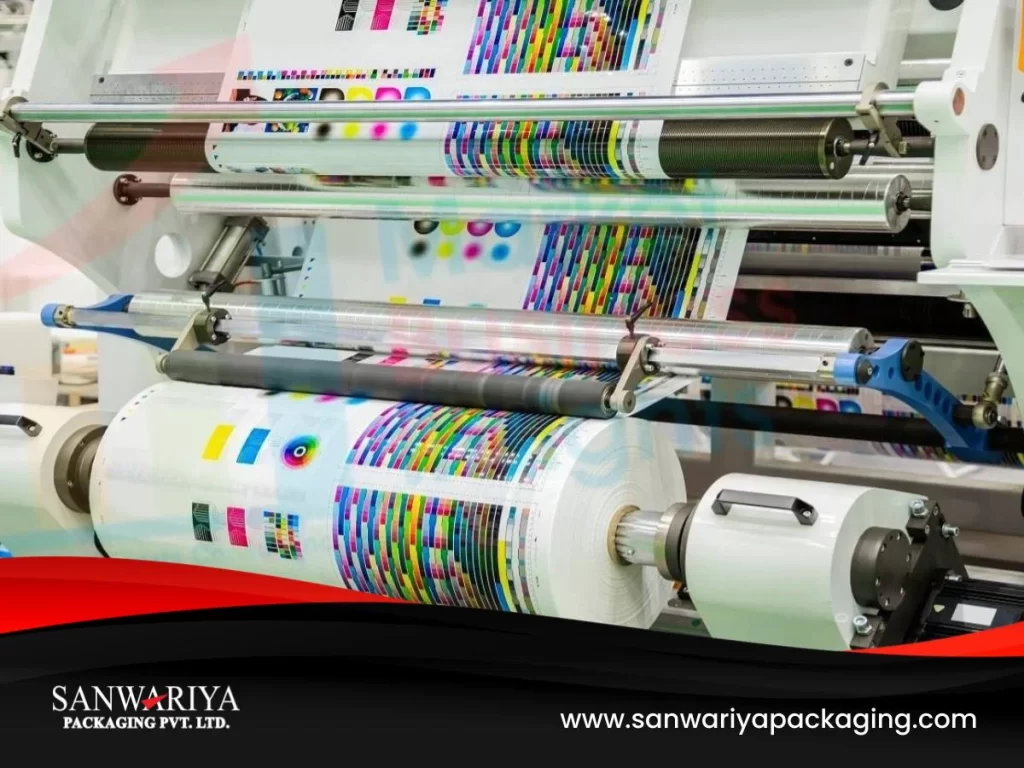
In pharmaceutical packaging, the quality of print is directly tied to patient safety and regulatory success. Whether it’s batch numbers, expiry dates, or serialized codes—accuracy, legibility, and durability are non-negotiable. As the industry prioritizes compliance, efficiency, and traceability, choosing the right printing method becomes a strategic decision.

This article compares gravure and flexo printing technologies in the context of pharmaceutical packaging, helping quality assurance teams and decision-makers understand which approach best supports regulatory alignment, operational efficiency, and packaging performance.

1. Why Printing Matters in Pharma Packaging

Printing isn’t just visual—it’s functional. In regulated markets, it ensures:

  • Traceability: Serialization codes and data matrix elements meet DSCSA, EU FMD, and other global standards.
  • Patient Safety: Clear dosage instructions, expiry dates, and warning texts help prevent medication errors.
  • Audit Preparedness: High print fidelity ensures packaging withstands scrutiny from inspectors and regulators.
Packaging errors caused by smudged ink, unreadable text, or inconsistent colors can trigger batch recalls, compliance flags, or market rejections—resulting in financial and reputational loss.

2. Gravure vs. Flexo

FeatureGravure PrintingFlexo Printing
Print PrecisionSuperior for fine details, ideal for small fonts & barcodesAdequate for bold text and graphics
Setup & SpeedLonger setup, but highly efficient for large volumesQuick setup, efficient for short runs
Color AccuracyConsistent over long print runsMay show drift over extended runs
Cost StructureHigher upfront investmentLower initial costs, flexible for smaller batches
Material CompatibilityExcellent with aluminum foil and multi-layer laminatesPerforms well on paper and flexible film
Best Use in PharmaIdeal for high-security primary packagingSuitable for labels and secondary packaging

3. Gravure: The Gold Standard in Pharma Packaging

Gravure printing is engineered for high-volume, high-precision pharmaceutical applications, especially for aluminum foil substrates used in blister and strip packaging.

Key Benefits:

  • Microtext & Serialization: Maintains sharpness even at high speeds for compliant traceability codes.
  • Security Features: Supports reverse-side printing, invisible inks, and tamper-evident designs to prevent counterfeiting.
  • Durability: Ink adhesion on foil resists heat, light, and moisture—essential for global distribution.

Advanced Gravure Capabilities at Sanwariya Packaging:

At Sanwariya, we take gravure a step further with:

  • Multicolor Specialized Printing: Delivering exceptional color depth and consistency for brand-critical pharma packs.
  • Front-Back Online Printing: Simultaneous double-sided printing enhances efficiency and counterfeit resistance.
  • Special Varnish Printing: Provides extra abrasion resistance and visual appeal with medical-grade coatings.
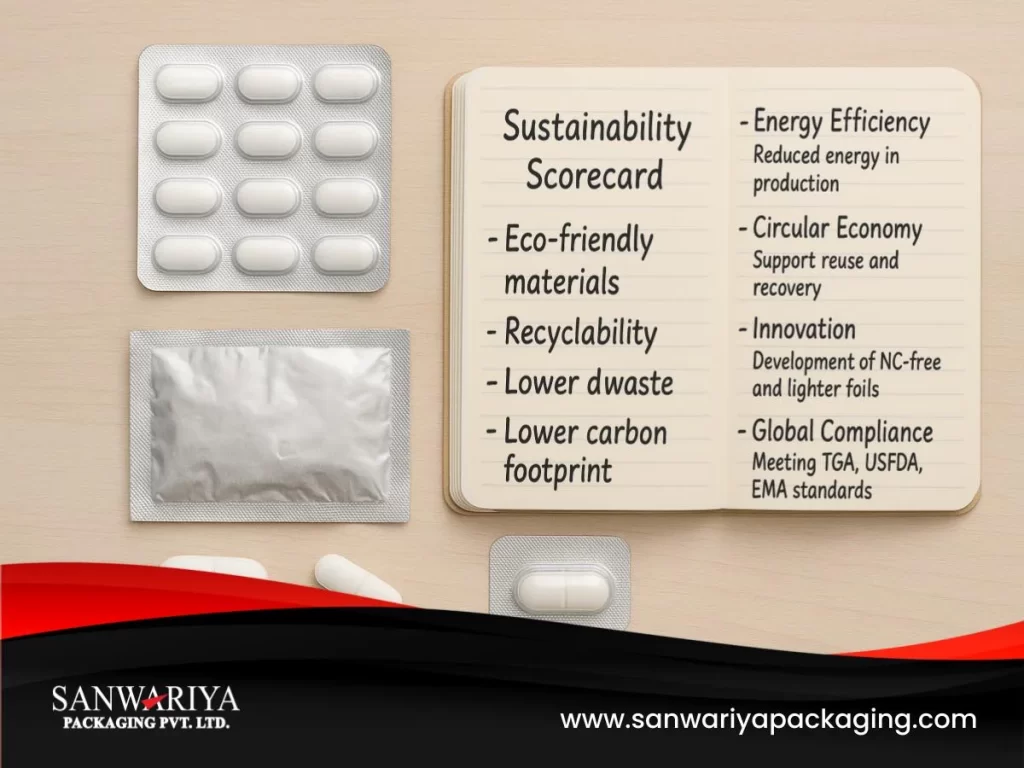
  • NC-Free (Nitrocellulose-Free) Inks: Sustainable, low-VOC formulations that align with stringent international regulations.
Manufacturers using Sanwariya gravure solutions have reported 30–35% fewer print-related deviations, reduced label mix-ups, and improved scanner-read rates during serialization audits.

4. When Flexo Works Best

While gravure dominates high-security pharma packaging, flexo offers advantages in specific scenarios:

  • Short Runs or Customization: Ideal for pilot batches, marketing samples, or region-specific products.
  • Secondary Packaging: Works well on carton boxes, labels, and pouches where ultra-fine detail is not critical.
  • Speed-to-Market: Quick setup supports rapid design iterations and faster go-to-market timelines.
For pharma companies balancing cost and flexibility, flexo is a practical solution for non-critical packaging layers.

Invest in the Right Print Technology for Long-Term Gains

In the race to stay compliant, efficient, and secure, printing technology is a core enabler of pharmaceutical packaging success.

  • Gravure printing, with its unmatched precision and ability to integrate multilayered security, is ideal for primary pharma packaging.
  • Flexo printing, on the other hand, supports agility and cost efficiency in secondary layers or short-run needs.

Partner with Sanwariya Packaging for Compliance-Driven Innovation

At Sanwariya Packaging, we specialize in gravure-printed aluminum foils tailored for pharmaceutical applications. Our solutions meet the highest global standards for clarity, compliance, and performance.

We help brands:

  • Enhance packaging precision
  • Strengthen serialization integrity
  • Combat counterfeiting with advanced print features
  • Improve sustainability with NC-free, eco-conscious inks

Let’s Raise Your Print Quality and Lower Your Compliance Risk

If your team is evaluating printing technologies, speak with experts who understand the regulatory, operational, and security needs of the global pharma sector.

Let’s talk about how we can future-proof your packaging with the right print solution.

Why Security Foils Are Critical in Preventing Counterfeit Medicines

In the world of pharmaceuticals, trust is non-negotiable. When a patient takes medication, they expect it to be safe, authentic, and effective. But the harsh reality is that counterfeit drugs are on the rise globally, threatening lives and shaking consumer confidence. According to the World Health Organization (WHO), 1 in 10 medical products in low- and middle-income countries is either substandard or fake.

So, how can pharmaceutical companies ensure product integrity and protect patients?

Enter security foils—a frontline defense in the fight against counterfeit medicines.

Understanding the Threat of Counterfeit Drugs

Counterfeit medicines are more than just knock-offs; they often contain incorrect ingredients, wrong dosages, or no active ingredient at all. These products can lead to treatment failure, drug resistance, or even death. What’s more, the counterfeit drug industry is alarmingly sophisticated, with fake packaging that can mimic genuine products almost perfectly.

This makes packaging not just a protective shell—but a powerful security feature.

How Security Foils Help Safeguard Authenticity

Pharmaceutical-grade aluminum foils have evolved far beyond simple barriers to light, moisture, and oxygen. Today, they are equipped with advanced anti-counterfeit technologies that make duplication nearly impossible.

Here’s how:

1. Tamper-Evident Features

Security foils can be designed to reveal visible signs of tampering—such as void patterns or delamination—if someone tries to reseal or alter the packaging. This gives both pharmacists and patients a clear visual cue of potential interference.

2. Holographic Printing & Microtext

Holograms, microtext, and fine-line patterns are nearly impossible to replicate without specialized equipment. These high-precision elements add a visual layer of authentication and are easy to verify at the distribution or retail level.

3. Serialization and QR Codes

Every strip or blister pack can be assigned a unique serial number or QR code, allowing manufacturers to track and verify the product across the supply chain. This adds traceability and helps in real-time authentication using mobile apps or digital systems.

4. Invisible Security Inks & UV Features

Invisible UV-reactive inks or taggants embedded into foils can only be seen under specific conditions. These covert markers help inspectors and customs officials identify genuine products instantly during audits or border checks.

Why It Matters More Than Ever

As global pharma supply chains expand and digital marketplaces grow, counterfeiters have more opportunities to exploit weak packaging. Without robust security measures, even the most effective medication is vulnerable. For manufacturers, failing to protect packaging means risking:

  • Patient safety
  • Brand reputation
  • Regulatory penalties
  • Revenue loss
Security foils are a proactive investment, not just in packaging, but in consumer trust and corporate responsibility.

Choosing the Right Security Foil Partner

Not all foil solutions are created equal. The right packaging partner will offer tailored options that align with your brand, product needs, and global compliance requirements.

At Sanwariya Packaging, we specialize in pharmaceutical security foils that are engineered to protect your medicines against tampering, duplication, and misuse. From multi-layered anti-counterfeit solutions to fully traceable, serialization-ready foils, we provide a comprehensive suite of secure packaging options.

In an industry where safety and trust are paramount, security foils play a silent but powerful role in ensuring every pill, tablet, or sachet reaches the patient just as it should—genuine, effective, and untouched.

The next time you seal a blister pack, think beyond the foil. Think of the lives it protects.

Want to strengthen your pharma packaging against counterfeiting?

Let’s collaborate on building a safer future—one secure foil at a time.
Contact Sanwariya Packaging today.