Pharmaceutical packaging is often seen as the final stage of medicine production. In reality, it plays a crucial role in protecting medicines from contamination and preserving their quality until they reach the patient.
Even when medicines are manufactured under highly controlled conditions, contamination risks can still arise if packaging materials carry dust, fibers, or microscopic particles. Because of this, regulators and pharmaceutical companies around the world are paying closer attention to pharma packaging surface cleanliness.
Over the past decade, expectations surrounding packaging hygiene, particulate control, and clean handling practices have become significantly stricter. The goal is simple: prevent contamination before it reaches the patient.
This blog explains why packaging cleanliness standards are tightening globally, the risks associated with particulate contamination, and how pharmaceutical companies are adapting their packaging practices to meet evolving Good Manufacturing Practice (GMP) expectations across modern pharmaceutical packaging materials.
Why Packaging Surface Cleanliness Matters
Packaging materials frequently come into direct contact with medicines or the environment surrounding them during packaging operations. If the surface of the packaging carries particles or residues, those contaminants can easily reach the product.
Common sources of contamination include:
- Dust introduced during storage or transportation
- Fibers from packaging materials or operator clothing
- Residues from manufacturing or converting processes
- Environmental particles present in production areas
Even extremely small particles can create problems during pharmaceutical packaging.
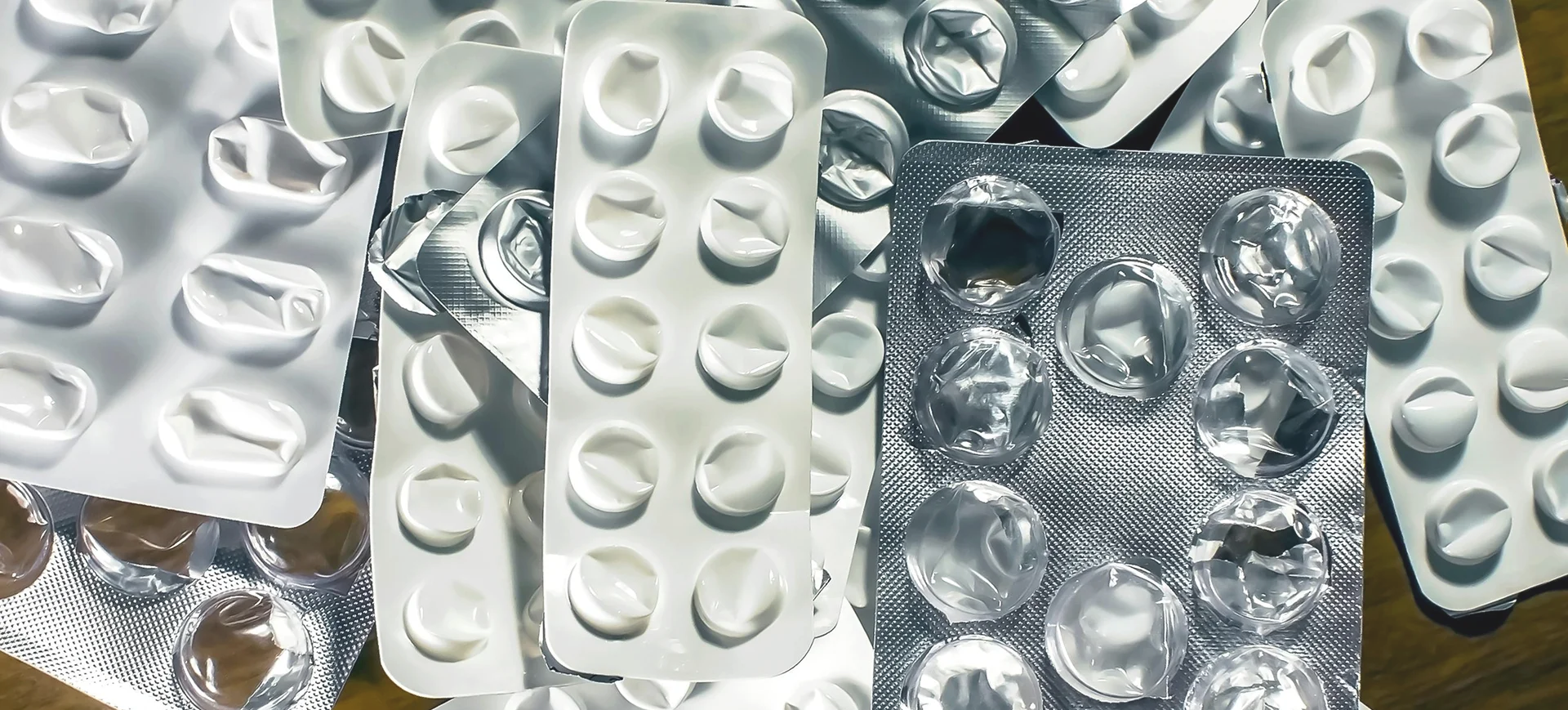
For example: particles may become trapped inside blister cavities, appear as visible contaminants in finished products, or interfere with sealing processes used withblister foils.
For pharmaceutical manufacturers, this creates two major concerns:
- Product quality risks
- Regulatory inspection observations
As a result, surface cleanliness in pharmaceutical packaging has become a critical component of contamination control strategies.
The Growing Risk of Particulate Contamination
Particles that are barely visible to the human eye can still cause significant problems in pharmaceutical packaging.
During packaging operations, loose particles may:
- Enter blister cavities along with tablets or capsules
- Prevent proper sealing of blister packs
- Appear as visible foreign matter inside the package
- Trigger product complaints or recalls
Regulatory authorities treat visible contamination very seriously. Even a single particle found during inspection or market complaints may raise questions about the effectiveness of a company’s contamination control systems.
Because of this, packaging cleanliness is no longer considered a minor operational detail. It is now an essential part of overall pharmaceutical quality management.
Why Global Regulators Are Increasing Expectations
Several industry trends are driving stricter regulatory expectations regarding packaging cleanliness.
1. Increasingly Sensitive Pharmaceutical Formulations
Modern medicines are often more complex and sensitive than traditional formulations. Some drugs can be affected by extremely small environmental contaminants.
Maintaining clean packaging surfaces helps ensure that these sensitive products remain stable and uncontaminated.
2. Expanding Global Supply Chains
Pharmaceutical packaging materials frequently travel long distances before reaching production facilities.
During transport and storage, materials may be exposed to dust, handling environments, or environmental particles. As pharmaceutical supply chains become more global, maintaining packaging cleanliness throughout the entire logistics process becomes more important.
Materials such as strip laminated foils and PVC foils must therefore be handled carefully to maintain their cleanliness during transportation and storage.
3. Preventive Quality Approaches
Regulators now emphasize preventing contamination rather than detecting it later.
Instead of relying only on inspection, companies are expected to demonstrate that their processes minimize contamination risks from the beginning. This includes how packaging materials are manufactured, stored, transported, and handled.
The Role of Cleanroom and Environmental Control Standards
Many pharmaceutical companies use internationally recognized environmental control frameworks when developing contamination control programs.
These frameworks focus on:
- Monitoring airborne particle levels
- Defining acceptable environmental cleanliness limits
- Establishing controlled handling procedures
- Implementing environmental monitoring systems
While these principles are traditionally associated with cleanrooms used in pharmaceutical manufacturing, similar concepts are increasingly applied to packaging material production and handling.
For packaging suppliers, this means demonstrating that their materials are produced and handled under conditions that minimize contamination risks within well-controlled manufacturing infrastructure.
Cleanroom-Compatible Handling for Packaging Materials
As expectations increase, many pharmaceutical companies now request packaging materials that are produced or handled in environments designed to control particulate contamination.
Cleanroom-compatible handling practices typically focus on controlling:
- Airborne dust and environmental particles
- Operator contact with materials
- Contamination from surrounding manufacturing processes
- Storage and packaging conditions during production
These controls help ensure that packaging materials arrive at pharmaceutical manufacturing sites in a clean and ready-to-use condition.
For pharmaceutical manufacturers, receiving clean packaging materials reduces the risk of contamination entering the packaging process.
Maintaining Cleanliness During Pharmaceutical Packaging Operations
Even when packaging materials arrive clean from suppliers, pharmaceutical manufacturers must maintain that cleanliness throughout their internal operations.
Production teams typically implement several procedures to prevent contamination during packaging.
Common practices include:
- Dedicated storage areas for packaging materials
- Protective coverings during internal transport
- Line clearance procedures before packaging runs
- Controlled handling by trained operators
- Regular cleaning of packaging equipment and work areas
These procedures help maintain a controlled environment where contamination risks remain minimal.
Why Supplier Qualification Is Becoming More Important
Because many pharmaceutical packaging materials are sourced from external suppliers, pharmaceutical companies must verify that those suppliers maintain appropriate cleanliness standards.
Supplier qualification programs often review:
- Manufacturing hygiene practices
- Environmental control systems within production facilities
- Material handling procedures
- Storage and transportation methods
- Documentation supporting traceability and cleanliness controls
This verification process helps pharmaceutical companies ensure that contamination risks are minimized before packaging materials even reach their facilities.
Strong supplier qualification programs also play an important role during regulatory inspections.
Export Markets Are Raising the Cleanliness Bar
Pharmaceutical companies supplying medicines to multiple countries must often comply with the strictest quality expectations among those markets.
Regulatory authorities may review contamination control strategies during inspections or dossier evaluations. As a result, packaging cleanliness documentation and supplier quality systems are becoming increasingly important for companies entering global markets.
Export-focused pharmaceutical manufacturers are therefore strengthening packaging hygiene standards to ensure consistent compliance across regulatory environments.
Clean Packaging Supports Patient Safety and Trust
Stricter packaging cleanliness standards ultimately support a broader objective: protecting patients and maintaining trust in pharmaceutical products.
Clean packaging surfaces help pharmaceutical companies:
- Prevent contamination during packaging operations
- Reduce the risk of visible particles in finished products
- Improve batch consistency and product quality
- Demonstrate strong contamination control during regulatory inspections
For quality assurance and compliance teams, maintaining high standards of pharma packaging surface cleanliness is now an essential part of modern pharmaceutical manufacturing.
How Sanwariya Packaging Supports Clean Pharmaceutical Packaging
Sanwariya Packaging manufactures pharmaceutical aluminum foils with strong attention to controlled production, material hygiene, and consistent quality processes. Our manufacturing practices are designed to support high standards of pharma packaging surface cleanliness, helping pharmaceutical manufacturers reduce contamination risks during packaging operations.
Through carefully controlled production environments, specialized packaging materials such as cold forming foils and hologram security foils, and strong process control, we support pharmaceutical companies in maintaining product integrity and meeting global regulatory expectations.
Companies interested in exploring suitable pharmaceutical packaging solutions can get in touch with us or directly request a quote for customized foil packaging materials.