
Blog by Sanwariya Packaging

Your Trusted Partner in Packaging

Learn About Our Vision for the Future And Grow with Us.

Your Trusted Partner in Pharma Packaging

Learn about our vision for the future and grow with us.

Your Trusted Partner
in Pharma Packaging

Learn about our vision for the future and grow with us.

Know More

Tag: Pharma Packaging

A Closer Look at Alu-Alu Foil: Myths vs. Facts

In pharmaceutical packaging, some materials stand out for their ability to protect medicines under the harshest conditions. Alu-Alu foil is one such solution, trusted worldwide for packing sensitive drugs. Yet, myths still surround it — from being “too costly” to “only for premium medicines.”

It’s time to separate myths from facts and understand why Alu-Alu foil is increasingly considered the gold standard in pharma packaging.

What is Alu-Alu Foil?

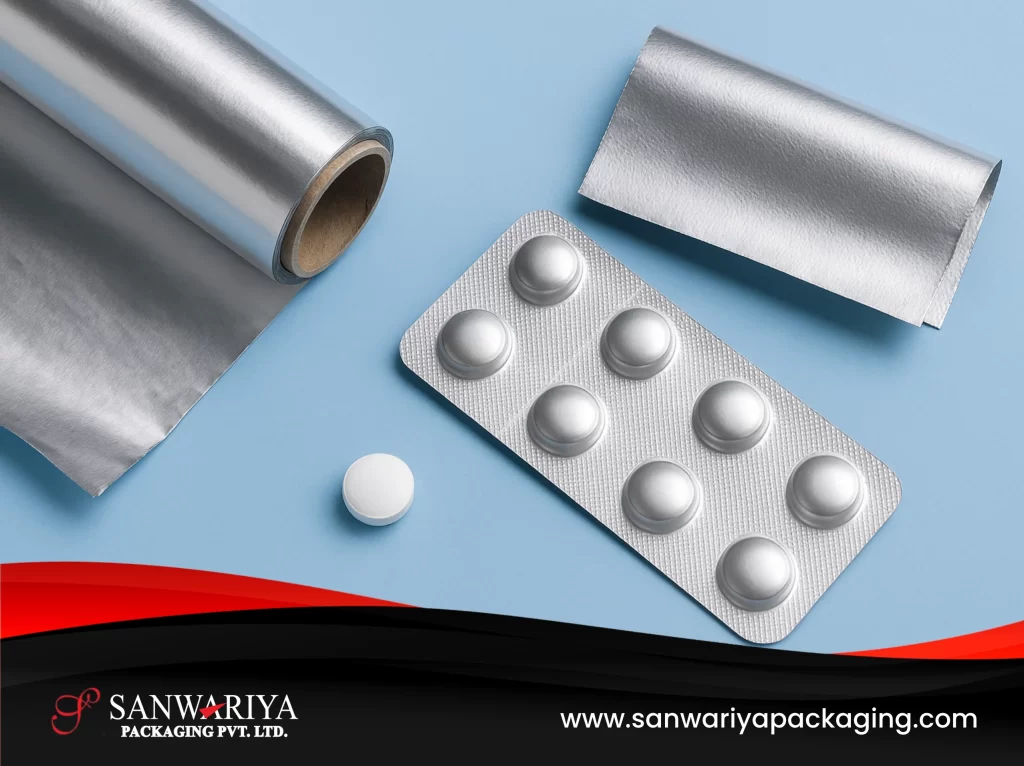
Alu-Alu foil, short for aluminum–aluminum cold-form blister packaging, is created by laminating aluminum with nylon and PVC (or other polymers). Unlike regular PVC blisters, Alu-Alu provides a complete barrier against:

  • Moisture (critical in tropical and humid climates)
  • Oxygen (prevents oxidation and drug degradation)
  • Light (protects light-sensitive formulations)
  • Contaminants (ensures patient safety)

Because of these properties, Alu-Alu foil is widely used for antibiotics, anti-malarials, and other highly sensitive formulations that demand maximum stability.

Common Myths About Alu-Alu Foil

Myth 1: “It’s the same as regular aluminum foil.”

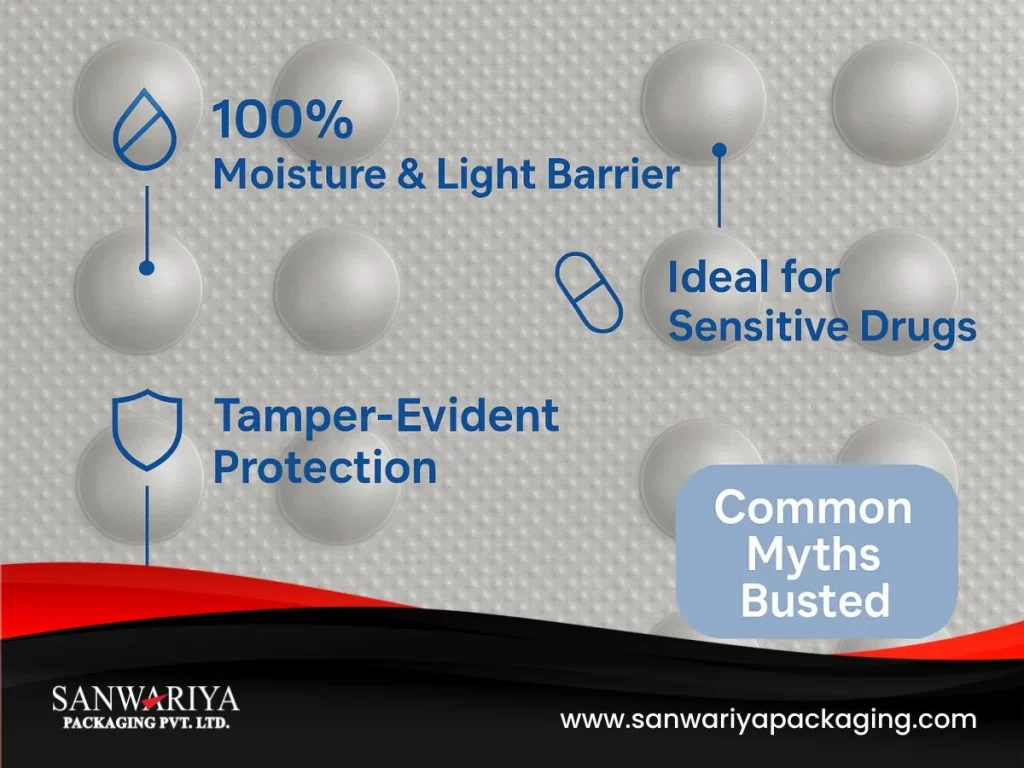
Fact: Standard blisters usually have a PVC base, which allows some moisture or oxygen to pass through. Alu-Alu foil, however, creates a 100% barrier, essential for unstable drugs in challenging climates.

Myth 2: “It’s only for premium medicines.”

Fact: Once seen as premium, Alu-Alu is now common across essential generics, especially in ICH Zone IVa and IVb regions (hot and humid zones like Southeast Asia, Africa, and Latin America). Here, drug stability is non-negotiable.

Myth 3: “It’s not eco-friendly.”

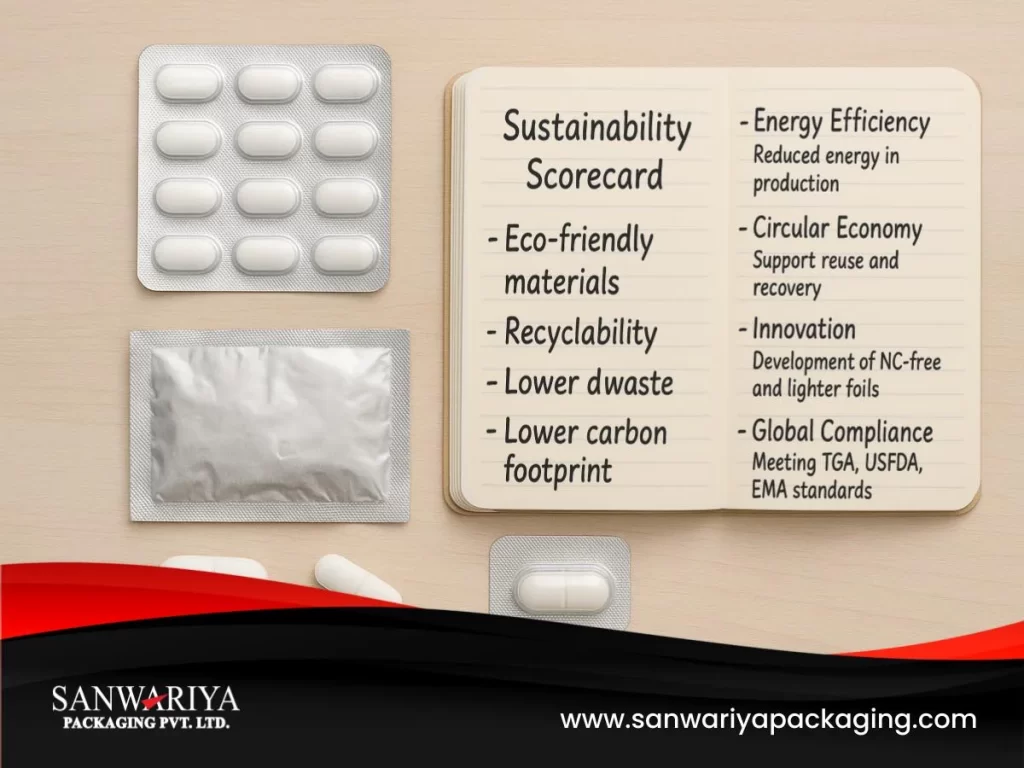
Fact: Sustainability in pharma packaging is advancing. By optimizing foil thickness and improving recyclability, manufacturers are making Alu-Alu more sustainable. Some companies are already piloting recovery systems for laminate recycling.

Myth 4: “It’s too costly without added benefits.”

Fact: While Alu-Alu may have a slightly higher upfront cost, its long-term value is undeniable:

  • Fewer recalls: Prevents costly drug recalls caused by moisture or oxygen damage.
  • Extended stability: Keeps medicines stable for up to 36 months in tropical conditions vs. 12–18 months in PVC blisters.
  • Extended stability: Alu-Alu packs provide superior protection against moisture, oxygen, and light — helping maintain the stability of sensitive formulations even in hot and humid (Zone IV) climates. The actual stability period should be supported by product-specific stability studies and regulatory data, ensuring evidence-based validation. (Source: Click Here)
  • Global compliance: Meets USFDA, EMA, and WHO standards, minimizing export rejections.

The real ROI isn’t just cost — it’s stability, compliance, and brand protection.

The Facts That Matter

  • Superior Barrier Protection: Blocks moisture, oxygen, and light.
  • Global Regulatory Recognition: Approved and recommended by USFDA, EMA, WHO for sensitive formulations.
  • Extended Shelf Life: Preserves stability even in extreme climates.
  • Patient Safety First: Minimizes contamination and dosage risks.
  • Sustainability Gains: Ongoing research into recyclable laminates.

Why Alu-Alu Foil Matters for Pharma Companies

For pharma manufacturers, packaging is not just about containment — it’s about compliance, reputation, and trust. Alu-Alu foil helps companies:

  • Meet global export requirements without risking rejection.
  • Protect brands against counterfeiting when combined with serialization printing.
  • Avoid costly recalls and shipment delays due to weak packaging.
  • Strengthen patient trust by delivering safe, stable medicines every time.

Alu-Alu Foil is more than packaging. It is a future-ready solution for drug safety, regulatory compliance, and brand credibility in global markets. While myths persist, the facts are undeniable: Alu-Alu foil offers unmatched protection, longer shelf life, and safeguards patients as well as pharmaceutical companies.

In a world where drug stability can determine patient health outcomes, Alu-Alu Foil stands as a reliable guardian of quality.

Partnering for Safer Pharma Packaging

At Sanwariya Packaging, we deliver pharma-grade Alu-Alu Foils engineered for the highest barrier protection and global compliance. Our expertise ensures your medicines remain stable, secure, and trusted across diverse markets.

Reach out to our team today to discover how our advanced packaging solutions can help you protect your products and your brand reputation.

Pharma Packaging Mistakes Exporters Still Make

In pharmaceutical exports, packaging is far more than an afterthought — it’s a regulatory gatekeeper. A single misstep in materials, labeling, or serialization can lead to shipment rejections, compliance failures, or even patient safety risks.

Unfortunately, many exporters still repeat critical packaging mistakes that cost them valuable time, money, and brand trust. This blog outlines the six most common errors — and how to avoid them with practical, compliance-aligned solutions.

“Up to 70% of pharma export rejections involve packaging-related errors.” — WHO Compliance Brief, 2023

Common Mistakes to Avoid in Export Pharma Packaging

  • Wrong foil for Zone IV climates
  • Ignoring local packaging regulations
  • Poor serialization or aggregation
  • Incomplete patient instructions
  • Missing validation/testing reports
Fix: Validate packaging, localize labeling, and document everything.

Learn more about how barrier-grade foil protects blister seal integrity in export climates.

1. Material Mismatch: The Wrong Foil for the Wrong Climate

Exporters often select standard foil laminates without considering regional climate conditions — a decision that can compromise product integrity.

For instance, destinations like Brazil or Nigeria fall under ICH Zones IVa/IVb, where high heat and humidity are the norm. If the foil lacks proper moisture vapor transmission (MVTR) or oxygen barrier properties, medicines can degrade during transit or shelf life.

Solution: Validate all packaging materials, especially blister foils, against destination-specific ICH climatic zone data. Ensure sealing parameters are optimized for those conditions.

2. Ignoring Country-Specific Regulatory Requirements

What complies in India may be non-compliant in Brazil, Russia, or the EU. Exporters often miss key packaging mandates:

  • Russia (Chestny ZNAK): Requires serialization and aggregation for all medicinal products.
  • Brazil (ANVISA): Mandates GS1-standard 2D barcodes and traceability submissions.
  • Europe (EU FMD): Demands tamper-evidence and a unique identifier (UI) for prescription medicines.
Mistake: Relying on generic packaging templates or skipping regional compliance audits.

Solution: Work with regulatory specialists or experienced suppliers who understand localized compliance. Adapt packaging lines accordingly.

3. Underestimating Transit Stress & Environmental Conditions

Pharma packaging that performs well in warehouse conditions may fail during global transit due to:

  • Repeated loading/unloading
  • Exposure to heat or condensation
  • Rough handling at ports and airports
Microleaks in blisters or poor laminate adhesion can cause contamination or potency loss.

Solution: Simulate real-world conditions using ICH stability studies (Zone IVb) and transport validation protocols. Test for seal integrity, barrier performance, and container closure integrity (CCI).

4. Serialization Errors and Traceability Gaps

Serialization is no longer optional — yet exporters still fall into traps like:

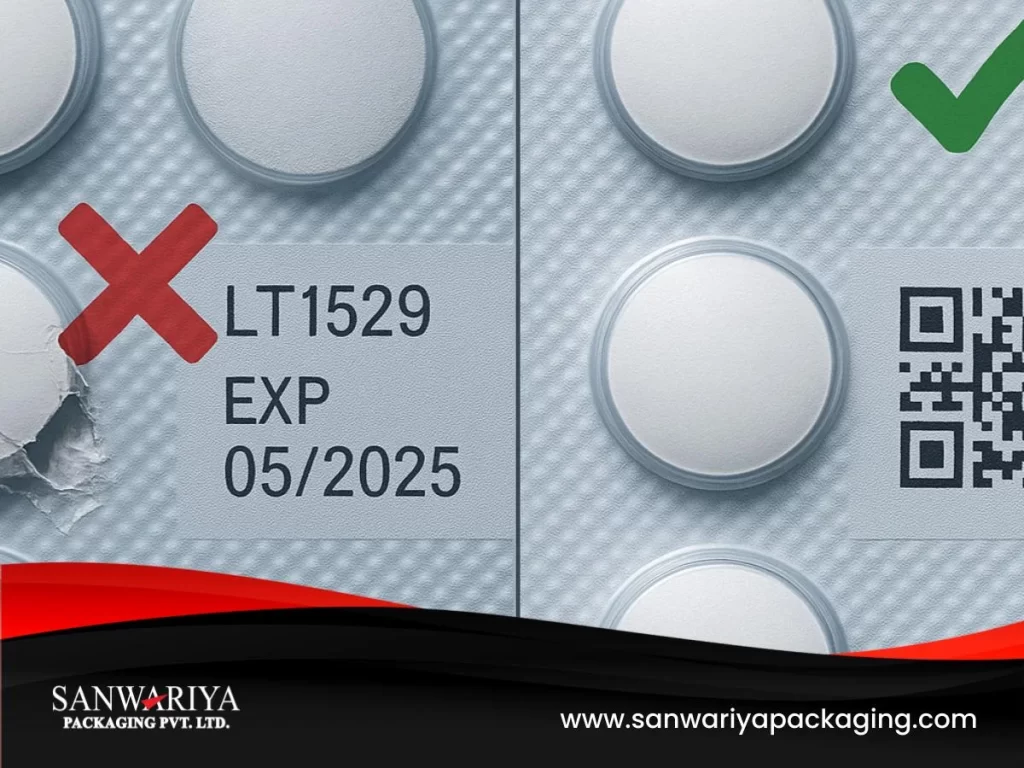
  • Misaligned barcodes or unreadable QR codes
  • Incomplete aggregation hierarchy (primary → secondary → tertiary)
  • Serialization systems that don’t integrate with local authority databases
Result: Failed inspections, customs clearance delays, and brand credibility damage.

Solution: Use high-resolution printing systems with secure inks and contrast optimization. Collaborate with foil vendors that support serialization-friendly printing and offer tamper-evident features.

5. Poor Localization of Language, Labeling & Instructions

Even technically compliant packaging can fail due to poor localization:

  • Wrong dosage unit (e.g., mg vs. mcg)
  • Incomplete patient warnings
  • Misinterpretation due to non-local terminology
Consequence: Patient misuse, regulatory penalties, or product recalls.

Solution: Localize all label elements, including drug names, storage conditions, and usage instructions. Review country-specific labeling regulations in detail.

6. Inadequate Documentation & Validation

A lack of robust documentation can halt shipments or fail audits:

  • Missing batch records or sealing validations
  • No verification of tamper-evidence
  • Absence of peel strength or vacuum leak test reports
Regulatory authorities demand full traceability — from printed foil to final shipper.

Solution: Implement GMP-aligned packaging validation, including:

  • Dye ingress & vacuum leak testing
  • Peel strength analysis
  • Tamper-evidence verification

Ensure all testing is documented and auditable.

Best Practices for Export-Ready Packaging

To avoid these pitfalls, pharma exporters should:

  • Conduct climate-specific risk assessments
  • Work with specialized foil suppliers for serialization & compliance support
  • Standardize validation protocols and maintain complete QA documentation
  • Train teams on evolving global regulations
  • Audit packaging under realistic transport simulations

Your Packaging is Your Passport

In global pharma logistics, packaging does more than protect — it represents your compliance, your credibility, and your commitment to patient safety.

One overlooked regulation or mismatched foil can jeopardize months of manufacturing and market access. That’s why export packaging demands precision, foresight, and verified quality.

At Sanwariya Packaging, we support pharma exporters with:

  • High-barrier aluminum foils tailored to climate zones
  • Serialization-ready printing with tamper-evidence and regulatory compliance
  • End-to-end documentation and validation support
  • Region-specific guidance for global shipments

Partner with us to safeguard your global supply chain — from formulation to final market.

Beyond the Surface: How Custom Foil Printing Builds Trust in Pharma

Patients don’t see your cleanrooms. They don’t read your batch release forms or regulatory filings. But they do see — and judge — your packaging. In that first glance, trust is either built… or broken.

In a global pharma market where brand credibility, safety, and compliance are under a microscope, packaging isn’t just functional — it’s emotional, strategic, and regulatory. And when it comes to pharmaceutical aluminum foil, custom printing isn’t a nice-to-have. It’s your frontline communicator.

The Silent Messenger: Why Patients Trust What They See

When a patient holds a strip of medicine, they’re holding a promise. But if that foil looks generic, poorly aligned, or faded — that promise feels weaker.

In a 2023 PharmaBrandWatch study, 35% of patients said they trust and recall medicines more when the foil is uniquely branded.

A custom-printed foil isn’t just packaging. It’s a signal of precision, quality, and professionalism. And in a world battling counterfeits, trust starts with what’s visible.

Five Branding Wins Only Custom Foils Can Deliver

Custom foil printing offers strategic advantages beyond aesthetics:

  • Faster Patient Recognition
    Color-coded SKUs and visible branding help patients and caregivers avoid medication mix-ups — especially important in chronic and pediatric care.
  • Higher Brand Recall
    Distinct logos, layouts, and foil finishes make your product memorable — vital in OTC markets where shelf appeal influences decisions.
  • Stronger Regulatory Clarity
    With region-specific printing, compliance details are built in — reducing relabeling, delays, and rejections during audits.
  • Unified Global Brand Identity
    Consistent foil design across countries reinforces your brand while meeting local regulations.
  • Enhanced Shelf Impact
    Even prescription meds compete for attention in retail environments. Well-designed foils command space and confidence.

Smart Design Features That Drive Compliance & Trust

FeatureStrategic Value
Multicolor PrintingDifferentiates SKUs and improves readability
Reverse-Side PrintingPrevents abrasion and ensures legibility
Microtext & QR CodesAdds anti-counterfeit security
Matte / Gloss FinishesMatches brand tone (clinical, pediatric, premium)
Custom Codes & TrackersEnables authentication and traceability


From Factory to Final Dose: Every Interaction Counts

Especially for chronic therapies, patients interact with packaging daily. If dosage info, expiry dates, or batch codes are unclear, confidence takes a hit.

Your foil is a communication channel. One that speaks clarity, safety, and legitimacy. From the production line to the pharmacy shelf, packaging must perform — not just protect.

Choosing a Foil Printing Partner: What Really Matters

Not all suppliers are created equal. Choose a partner who offers:

  • Multicolor high-resolution printing with cleanroom control
  • Anti-counterfeit features like hidden marks, microtext, and QR authentication
  • GMP compliance with full traceability
  • Regulatory experience in EU, USFDA, GCC, CIS
  • Batch-to-batch consistency with audit-ready documentation

Why Custom Foil Printing Isn’t Optional Anymore

  • Builds patient trust and strengthens brand equity
  • Reduces medication confusion and substitution risks
  • Supports country-specific pharma regulations
  • Reinforces authenticity and protects your reputation

Ready to Upgrade Your Foil — and Your First Impression?

Let’s design packaging that earns confidence — from regulators and patients alike.

👉 Request a Custom Foil Sample

At Sanwariya Packaging, we specialize in precision-engineered, regulation-ready aluminum foil printing with anti-counterfeit and brand-forward designs. Trusted by leading pharmaceutical companies across India, LATAM, Russia-CIS, and beyond.

How Printing Technology Impacts Pharma Packaging Efficiency

In pharmaceutical packaging, the quality of print is directly tied to patient safety and regulatory success. Whether it’s batch numbers, expiry dates, or serialized codes—accuracy, legibility, and durability are non-negotiable. As the industry prioritizes compliance, efficiency, and traceability, choosing the right printing method becomes a strategic decision.

This article compares gravure and flexo printing technologies in the context of pharmaceutical packaging, helping quality assurance teams and decision-makers understand which approach best supports regulatory alignment, operational efficiency, and packaging performance.

1. Why Printing Matters in Pharma Packaging

Printing isn’t just visual—it’s functional. In regulated markets, it ensures:

  • Traceability: Serialization codes and data matrix elements meet DSCSA, EU FMD, and other global standards.
  • Patient Safety: Clear dosage instructions, expiry dates, and warning texts help prevent medication errors.
  • Audit Preparedness: High print fidelity ensures packaging withstands scrutiny from inspectors and regulators.
Packaging errors caused by smudged ink, unreadable text, or inconsistent colors can trigger batch recalls, compliance flags, or market rejections—resulting in financial and reputational loss.

2. Gravure vs. Flexo

FeatureGravure PrintingFlexo Printing
Print PrecisionSuperior for fine details, ideal for small fonts & barcodesAdequate for bold text and graphics
Setup & SpeedLonger setup, but highly efficient for large volumesQuick setup, efficient for short runs
Color AccuracyConsistent over long print runsMay show drift over extended runs
Cost StructureHigher upfront investmentLower initial costs, flexible for smaller batches
Material CompatibilityExcellent with aluminum foil and multi-layer laminatesPerforms well on paper and flexible film
Best Use in PharmaIdeal for high-security primary packagingSuitable for labels and secondary packaging

3. Gravure: The Gold Standard in Pharma Packaging

Gravure printing is engineered for high-volume, high-precision pharmaceutical applications, especially for aluminum foil substrates used in blister and strip packaging.

Key Benefits:

  • Microtext & Serialization: Maintains sharpness even at high speeds for compliant traceability codes.
  • Security Features: Supports reverse-side printing, invisible inks, and tamper-evident designs to prevent counterfeiting.
  • Durability: Ink adhesion on foil resists heat, light, and moisture—essential for global distribution.

Advanced Gravure Capabilities at Sanwariya Packaging:

At Sanwariya, we take gravure a step further with:

  • Multicolor Specialized Printing: Delivering exceptional color depth and consistency for brand-critical pharma packs.
  • Front-Back Online Printing: Simultaneous double-sided printing enhances efficiency and counterfeit resistance.
  • Special Varnish Printing: Provides extra abrasion resistance and visual appeal with medical-grade coatings.
  • NC-Free (Nitrocellulose-Free) Inks: Sustainable, low-VOC formulations that align with stringent international regulations.
Manufacturers using Sanwariya gravure solutions have reported 30–35% fewer print-related deviations, reduced label mix-ups, and improved scanner-read rates during serialization audits.

4. When Flexo Works Best

While gravure dominates high-security pharma packaging, flexo offers advantages in specific scenarios:

  • Short Runs or Customization: Ideal for pilot batches, marketing samples, or region-specific products.
  • Secondary Packaging: Works well on carton boxes, labels, and pouches where ultra-fine detail is not critical.
  • Speed-to-Market: Quick setup supports rapid design iterations and faster go-to-market timelines.
For pharma companies balancing cost and flexibility, flexo is a practical solution for non-critical packaging layers.

Invest in the Right Print Technology for Long-Term Gains

In the race to stay compliant, efficient, and secure, printing technology is a core enabler of pharmaceutical packaging success.

  • Gravure printing, with its unmatched precision and ability to integrate multilayered security, is ideal for primary pharma packaging.
  • Flexo printing, on the other hand, supports agility and cost efficiency in secondary layers or short-run needs.

Partner with Sanwariya Packaging for Compliance-Driven Innovation

At Sanwariya Packaging, we specialize in gravure-printed aluminum foils tailored for pharmaceutical applications. Our solutions meet the highest global standards for clarity, compliance, and performance.

We help brands:

  • Enhance packaging precision
  • Strengthen serialization integrity
  • Combat counterfeiting with advanced print features
  • Improve sustainability with NC-free, eco-conscious inks

Let’s Raise Your Print Quality and Lower Your Compliance Risk

If your team is evaluating printing technologies, speak with experts who understand the regulatory, operational, and security needs of the global pharma sector.

Let’s talk about how we can future-proof your packaging with the right print solution.

The Next Phase of Anti-Counterfeit Protection in Pharma

Counterfeit Drugs Are a Global Threat

Counterfeit medications represent one of the most significant public health threats globally. 

According to the World Health Organization (WHO), approximately 1 in 10 medical products in developing countries is either fake or substandard. This alarming statistic presents major challenges for pharmaceutical companies, including patient safety, brand integrity, and legal liabilities. The need to combat this issue has never been more critical. Advanced security foils are now leading the charge in anti-counterfeit protection.

Technologies like QR codes, microtext, UV-sensitive inks, and nano-imprinting are revolutionizing how pharmaceutical companies safeguard their packaging — and their reputation.

In this blog, we’ll explore:

  • How these foils offer multi-layered protection
  • How they integrate into existing packaging lines
  • What’s next in the future of anti-counterfeit solutions

The Counterfeit Challenge in Pharma Supply Chains

Pharma supply chains are vast and vulnerable. With products moving through multiple hands — from manufacturers to distributors and retailers — counterfeiters exploit weak points in packaging systems.

Key challenges include:

  • Low traceability in global distribution
  • Tampering during transit
  • Inadequate recall tracking

These threats demand smarter, tamper-evident, and verifiable packaging.

Want a foundational overview? Read: Why Security Foils Are Critical in Preventing Counterfeit Medicines

How Advanced Security Foils Work to Prevent Counterfeiting

Security foils today are engineered with both visible and covert features. These include:

  • Microtext Printing: Legible only under magnification, making duplication nearly impossible.
  • Multi-Layer Foils: Built to reveal tampering with delamination or color-shifting effects.
  • Serialized QR Codes: Each unit has a unique, traceable digital identity.
  • UV-Sensitive Inks: Only visible under ultraviolet light — invisible to counterfeiters.

These features combine to offer layered, intelligent defense — a must-have in modern pharma packaging.

Why Compliance and Brand Teams Must Prioritize Secure Foils

Today’s packaging does more than protect—it communicates trust. Security foils address multiple needs:

  • Regulatory Compliance: Meet DSCSA, EU FMD, and Latin American mandates with serialization-ready solutions.
  • Strengthen Consumer Trust: Allow patients and pharmacists to instantly verify authenticity via QR or holograms.
  • Legal Protection: Reduce liability and costly recalls by ensuring product traceability.
  • Supply Chain Visibility: Track every unit with blockchain or cloud-based solutions for real-time auditing.

Innovations Powering Security Foils

Sanwariya’s advanced foil solutions integrate next-gen technology, including:

  • Nano-Imprinting: Creates effects visible only at specific angles — unforgeable and elegant.
  • Digital Watermarks: Covert codes read via mobile apps for fast, secure verification.
  • Reverse-Side Printing: Hidden data embedded under the foil layer—an extra line of defense.

Together, these innovations transform packaging into a smart security system.

Future Trends in Anti-Counterfeit Packaging

Tomorrow’s pharma packaging will be smarter and even more connected:

  • Blockchain-Linked Packaging: Track the journey from factory to pharmacy.
  • AI Authentication: Instant counterfeit detection through mobile scanning and machine learning.
  • Biometric Integration: Linking packaging to patient IDs for personalized verification.

Forward-thinking companies are already testing these tools — and gaining a competitive edge.

In an era of digital threats and global distribution, anti-counterfeit packaging is not optional — it’s mission-critical. Advanced security foils give you the tools to stay ahead, meet global compliance, and earn consumer trust.

At Sanwariya Packaging, we offer cutting-edge foil solutions tailored for pharma companies. From tamper-evident designs to blockchain-compatible serialization, we make your packaging safer, smarter, and future-ready.

📩 Let’s secure your packaging together.
Contact Sanwariya Packaging to build a tamper-proof tomorrow.

Choosing the Right Aluminum Foil for Pharma Packaging

Pharmaceutical packaging is more than a protective cover—it’s a critical layer that ensures drug stability, prevents contamination, and meets rigorous global standards. Among various materials, aluminum foil stands out as the gold standard for its exceptional barrier protection, durability, and compliance.

Selecting the right pharmaceutical-grade aluminum foil is essential for maintaining product integrity, extending shelf life, and safeguarding against counterfeiting. In this blog, we’ll explore the essential considerations, industry challenges, and innovative trends driving the future of pharma foil packaging.

Why Aluminum Foil Is a Cornerstone of Pharma Packaging

Aluminum foil provides unmatched protection compared to plastic or paper-based alternatives. Here’s why it remains the material of choice:

  • Total Barrier Protection: Blocks moisture, oxygen, UV light, and contaminants to prevent drug degradation.
  • Extended Shelf Life: Preserves potency of tablets, capsules, and powders over time.
  • Anti-Counterfeit Features: Enables integration of holograms, tamper-evident layers, and serialization.
  • Regulatory Compliance: Approved by FDA, EMA, TGA, WHO, and other global bodies.

From blister packs to cold-form solutions, aluminum foil plays a vital role in maintaining the quality and security of pharmaceutical products.

Types of Pharmaceutical-Grade Aluminum Foil

Different drug formulations demand tailored packaging. The most widely used foils in the industry include:

  • Blister Foil (Push-Through): Soft foil laminated with heat-sealing lacquer for tablets and capsules.
  • Cold-Form Foil (Alu-Alu): Multi-layer, high-barrier foil ideal for moisture-sensitive formulations.
  • Strip Foil: Delivers complete seal integrity for unit-dose formats.
  • Child-Resistant Foil: Built with added safety features to prevent accidental ingestion.
  • Paper-Aluminum Laminate: Used in sachets and pouches for powders and granules.

Choosing the right type ensures efficient packaging, safety compliance, and maximum protection.

What to Look for When Choosing Aluminum Foil

Making the wrong packaging choice can result in product spoilage, regulatory issues, or consumer safety risks. Key factors to evaluate include:

  • Barrier Properties: High-barrier foils that resist moisture, oxygen, and UV exposure.
  • Drug Compatibility: Specialized coatings for APIs that may interact with packaging materials.
  • Heat-Seal Strength: Essential for leak-proof blister and strip packs.
  • Anti-Counterfeit Enhancements: Options like holographic layers, QR codes, or serialization.
  • Sustainability: Eco-conscious materials such as recyclable foils and solvent-free coatings.

Addressing Industry Challenges in Foil Packaging

Challenge 1: Cost vs. Quality

  • Issue: Premium foils raise production costs.
  • Solution: Leverage bulk sourcing, long-term supplier partnerships, and material efficiency strategies.

Challenge 2: Navigating Global Regulations

  • Issue: Differing international standards (FDA, EMA, TGA) complicate compliance.
  • Solution: Partner with GMP-certified suppliers offering pre-approved, compliant foils.

Challenge 3: Combating Counterfeits

  • Issue: Fake medications threaten patient safety.
  • Solution: Use high-security foils with tamper-evidence, serialization, and digital traceability.

Emerging Trends in Pharmaceutical Foil Packaging

The future of pharmaceutical packaging is being reshaped by innovation. Key trends include:

  • Nano-Coated Foils – Ultra-high barrier protection against moisture, gases, and chemicals.
  • Smart Packaging – Integration of NFC chips and sensors for real-time product monitoring.
  • Sustainable Foils – Eco-friendly alternatives like biodegradable or fully recyclable aluminum.

By 2030, over 70% of pharmaceutical companies are expected to adopt smart and sustainable packaging systems.

Partner with Sanwariya Packaging for Excellence

Choosing the right aluminum foil isn’t just a technical decision—it’s a strategic one. From ensuring compliance and safety to enhancing brand trust, your packaging partner plays a pivotal role.

At Sanwariya Packaging, we offer a complete range of pharmaceutical-grade aluminum foils tailored for your unique needs. Whether you’re seeking high-barrier cold-form foils, custom anti-counterfeit solutions, or eco-friendly alternatives, we’re here to help you protect your products and your reputation.

Ready to upgrade your pharma packaging?

Let’s talk. Contact us today to explore how Sanwariya Packaging can help you stay ahead in an evolving industry.