

Latin America’s pharmaceutical market is growing faster than ever — and with it, packaging regulations are becoming more stringent. By 2026, new regional standards will redefine how medicines are packaged, labeled, and verified across borders.
For pharma exporters and brand owners, compliance, sustainability, and traceability will no longer be optional — they’ll determine who stays competitive in the LATAM market.
Let’s explore what’s changing, why it matters, and how pharma companies can stay ahead.
1. 2026: A Year of Regulatory Overhaul Across LATAM
Regulators across Latin America — including ANVISA (Brazil), COFEPRIS (Mexico), and INVIMA (Colombia) — are introducing updates inspired by global frameworks for drug traceability, serialization, and eco-friendly packaging.
Each country has its own priorities:
- Brazil (ANVISA): Expanding its National Drug Control System to ensure validated serialization, improved tamper-evidence, and complete traceability from manufacturer to patient.
- Mexico (COFEPRIS): Enforcing stricter bilingual labeling, packaging documentation, and electronic data submissions for imports.
- Colombia (INVIMA): Strengthening packaging integrity tests and barrier verification to prevent product degradation.
Key takeaway: Companies should start aligning packaging systems now, not after the 2026 enforcement deadlines.
2. Sustainability Takes Center Stage
Sustainability is now as important as safety. LATAM health authorities are emphasizing the use of recyclable, lightweight, and low-carbon materials in packaging.
Pharma-grade aluminum foil is gaining regional preference due to its recyclability, durability, and strong barrier protection — making it ideal for eco-compliant drug packaging. Some governments, like Brazil and Chile, are even offering incentives for manufacturers that demonstrate eco-friendly sourcing and reduced waste generation.
Business Insight: Early investment in sustainable foil packaging not only ensures compliance but enhances brand reputation and strengthens tender eligibility in regulated markets.
3. New Norms for Labeling, Serialization & Documentation
The 2026 framework demands complete product traceability and enhanced data integrity in labeling and documentation.
- Serialization: Unique identifiers and scannable codes will be mandatory in Brazil and Mexico to curb counterfeit medicines.
- Labeling: Dual-language labels and stricter readability norms are being enforced to improve patient safety and regulatory transparency.
- Documentation: Importers must maintain validated packaging test reports, updated migration data, and sustainability certifications.
To remain compliant, exporters must strengthen coordination between QA, regulatory affairs, and packaging suppliers to ensure complete data traceability.
4. Common Mistakes That Delay Market Entry
Even experienced exporters face costly rejections due to simple errors such as:
- Using foil or laminate thicknesses that fail local validation.
- Ignoring updated labeling and serialization formats.
- Missing key technical data or test certificates.
Solution: Conduct pre-validation audits with accredited labs and ensure all foil specifications, print data, and coatings meet LATAM standards before dispatch. Early verification prevents revalidation costs, customs delays, and product recalls.
5. Aligning Foil Specifications with LATAM Standards
Pharma-grade aluminum foils must now balance performance, sustainability, and regional compliance.
Exporters should ensure that foil laminates and coatings:
- Meet LATAM migration and barrier property standards.
- Are certified for recyclability and safe disposal.
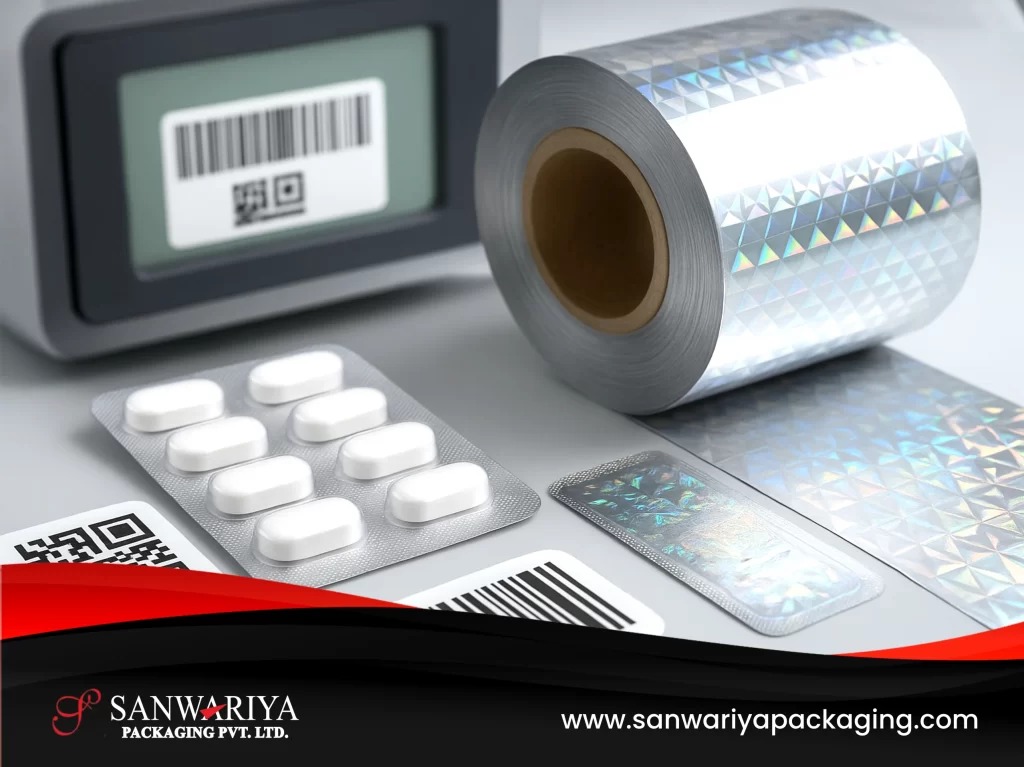
- Incorporate advanced anti-counterfeit technologies — such as holographic seals, hidden microtext, UV-activated inks, or QR-based traceability — to protect against falsified medicines.
- Enable serialized digital tracking for authentication at every supply chain stage.
Compliance Insight: Regulators in Brazil and Mexico are encouraging packaging that integrates physical and digital security features to improve patient safety and curb counterfeit circulation.
6. The ROI of Early Compliance
Compliance is no longer a cost — it’s an investment with measurable returns.
Pharma exporters that upgrade early benefit from:
- Faster product registration through audit-ready documentation.
- Reduced revalidation expenses when new norms are enforced.
- Enhanced trust among health authorities and distribution partners.
By adopting compliant, sustainable packaging ahead of time, companies turn regulatory readiness into a strategic market advantage.
7. Preparing for 2026: A Practical Action Plan
Here’s how pharma companies can stay ready and resilient:
- Audit current packaging materials for compliance with LATAM standards.
- Engage with qualified foil suppliers who offer certified, eco-compliant materials.
- Upgrade documentation systems to include recyclability proofs and traceability data.
- Train regulatory and QA teams on new labeling and serialization formats.
- Collaborate with packaging partners that are globally certified and experienced in LATAM exports.
This proactive approach ensures uninterrupted exports, faster customs clearance, and trusted partnerships in a competitive landscape.
Beyond compliance, LATAM regulators are prioritizing patient safety through packaging authenticity. Security-printed aluminum foils embedded with traceable features are emerging as the gold standard for safeguarding public health and brand integrity.
Compliance Builds Trust and Market Access
The 2026 LATAM packaging reforms are reshaping how medicines are presented, protected, and verified — driving a new era of safe, green, and transparent pharmaceutical trade.
For global pharma exporters, compliance isn’t just about meeting regulations — it’s about building credibility and securing long-term growth in emerging markets.
Sanwariya Packaging supports international pharma companies in achieving seamless LATAM compliance through precision-engineered aluminum foils designed for sustainability, print security, and regulatory alignment — helping brands enter new markets confidently and responsibly.