
Blog by Sanwariya Packaging

Your Trusted Partner in Packaging

Learn About Our Vision for the Future And Grow with Us.

Your Trusted Partner in Pharma Packaging

Learn about our vision for the future and grow with us.

Your Trusted Partner
in Pharma Packaging

Learn about our vision for the future and grow with us.

Know More

Category: Sustainability in Packaging

Sustainability Scorecard: How Pharma Foils Are Getting Greener

Sustainability is no longer optional in the pharmaceutical industry — it’s becoming a regulatory, ethical, and business necessity.

By 2030, the EU will require all pharmaceutical packaging to be recyclable or reusable.

For exporters, this isn’t just another rule — it’s a new gateway to global markets. Companies that fail to adopt sustainable packaging risk shipment delays, reputational damage, and lost opportunities.

The challenge?

Achieving eco-friendly packaging without compromising patient safety. Medicines must remain protected from light, oxygen, and moisture. That’s where aluminum pharma foils are making the difference: they combine safety with sustainability and are fast becoming the material of choice for forward-looking pharma brands.

This blog explores how pharma foils are evolving to meet sustainability targets without compromising patient health.

Why Sustainability in Pharma Packaging Matters

Unlike consumer goods, pharmaceutical packaging carries zero tolerance for error. Medicines must remain stable and effective throughout their shelf life. But worldwide, regulations are tightening:

  • EU Green Deal: 100% recyclable or reusable packaging by 2030.
  • India’s EPR Rules: Mandatory recovery and recycling of packaging waste.
  • U.S. FDA Guidance: Encouragement for sustainable packaging reporting.

For exporters, sustainability is more than compliance. It directly impacts:

  • Market access (smooth approvals in regulated markets).
  • Brand trust (patients prefer eco-conscious companies).
  • Operational efficiency (reduced waste and logistics costs).

Why Aluminum Foil Leads in Green Pharma Packaging

Among all materials, aluminum foil strikes the perfect balance between safety and sustainability.

  • Fully Recyclable:
    Unlike plastics, aluminum can be recycled endlessly without losing its barrier properties.
  • Eco-Friendly Printing & Coatings:
    Solvent-free and water-based coatings reduce environmental impact. At Sanwariya Packaging, we also offer NC-free (nitrocellulose-free) printing — a safer, greener alternative trusted by global pharma brands.
  • Lightweight Innovations:
    Advances in foil thickness mean using less raw material without compromising drug protection. This lowers CO₂ emissions and shipping weight.
  • Smaller Carbon Footprint:
    Considering recyclability, aluminum packs often outperform multi-layer plastics in overall sustainability.
  • Anti-Counterfeit Protection:
    With specialized varnishes, multicolor printing, and security foils, aluminum packs not only support green goals but also protect patients from counterfeit medicines.

Business ROI of Greener Pharma Foils

Sustainability isn’t just good for the planet — it drives measurable business results:

  • Compliance Benefits → No shipment rejections or fines.
  • Market Expansion → Smooth entry into Europe, U.S., and other strict markets.
  • Brand Differentiation → Doctors, distributors, and patients prefer eco-conscious brands.
  • Cost Savings → Lightweight foils cut raw material and logistics expenses.
Eco-friendly packaging isn’t just a technical upgrade — it sends a clear signal to patients. It shows that the company is responsible, future-ready, and committed to safety. This trust builds loyalty and long-term credibility for pharmaceutical brands.

The Future of Sustainable Pharma Foils

The next wave of innovation is moving toward a circular economy, where packaging materials circulate back into supply chains. Current developments include:

  • Mono-material blister packs designed for easy recycling.
  • Bio-based coatings replacing solvent-heavy layers.
  • Foil recovery systems integrated into pharma operations.

Early adopters will not only comply with global mandates but also set the benchmark as sustainability pioneers in the pharmaceutical sector.

Sustainable pharma foil packaging is no longer optional — it’s the future of pharmaceutical exports. By choosing recyclable designs, NC-free printing, and eco-friendly coatings, companies can achieve global compliance, reduce costs, and strengthen brand reputation.

At Sanwariya Packaging, we specialize in advanced, secure, and sustainable foil solutions that combine patient safety with environmental responsibility. If your business is ready to lead the change, our team is here to support your journey.

Pharma Packaging Mistakes Exporters Still Make

In pharmaceutical exports, packaging is far more than an afterthought — it’s a regulatory gatekeeper. A single misstep in materials, labeling, or serialization can lead to shipment rejections, compliance failures, or even patient safety risks.

Unfortunately, many exporters still repeat critical packaging mistakes that cost them valuable time, money, and brand trust. This blog outlines the six most common errors — and how to avoid them with practical, compliance-aligned solutions.

“Up to 70% of pharma export rejections involve packaging-related errors.” — WHO Compliance Brief, 2023

Common Mistakes to Avoid in Export Pharma Packaging

  • Wrong foil for Zone IV climates
  • Ignoring local packaging regulations
  • Poor serialization or aggregation
  • Incomplete patient instructions
  • Missing validation/testing reports
Fix: Validate packaging, localize labeling, and document everything.

Learn more about how barrier-grade foil protects blister seal integrity in export climates.

1. Material Mismatch: The Wrong Foil for the Wrong Climate

Exporters often select standard foil laminates without considering regional climate conditions — a decision that can compromise product integrity.

For instance, destinations like Brazil or Nigeria fall under ICH Zones IVa/IVb, where high heat and humidity are the norm. If the foil lacks proper moisture vapor transmission (MVTR) or oxygen barrier properties, medicines can degrade during transit or shelf life.

Solution: Validate all packaging materials, especially blister foils, against destination-specific ICH climatic zone data. Ensure sealing parameters are optimized for those conditions.

2. Ignoring Country-Specific Regulatory Requirements

What complies in India may be non-compliant in Brazil, Russia, or the EU. Exporters often miss key packaging mandates:

  • Russia (Chestny ZNAK): Requires serialization and aggregation for all medicinal products.
  • Brazil (ANVISA): Mandates GS1-standard 2D barcodes and traceability submissions.
  • Europe (EU FMD): Demands tamper-evidence and a unique identifier (UI) for prescription medicines.
Mistake: Relying on generic packaging templates or skipping regional compliance audits.

Solution: Work with regulatory specialists or experienced suppliers who understand localized compliance. Adapt packaging lines accordingly.

3. Underestimating Transit Stress & Environmental Conditions

Pharma packaging that performs well in warehouse conditions may fail during global transit due to:

  • Repeated loading/unloading
  • Exposure to heat or condensation
  • Rough handling at ports and airports
Microleaks in blisters or poor laminate adhesion can cause contamination or potency loss.

Solution: Simulate real-world conditions using ICH stability studies (Zone IVb) and transport validation protocols. Test for seal integrity, barrier performance, and container closure integrity (CCI).

4. Serialization Errors and Traceability Gaps

Serialization is no longer optional — yet exporters still fall into traps like:

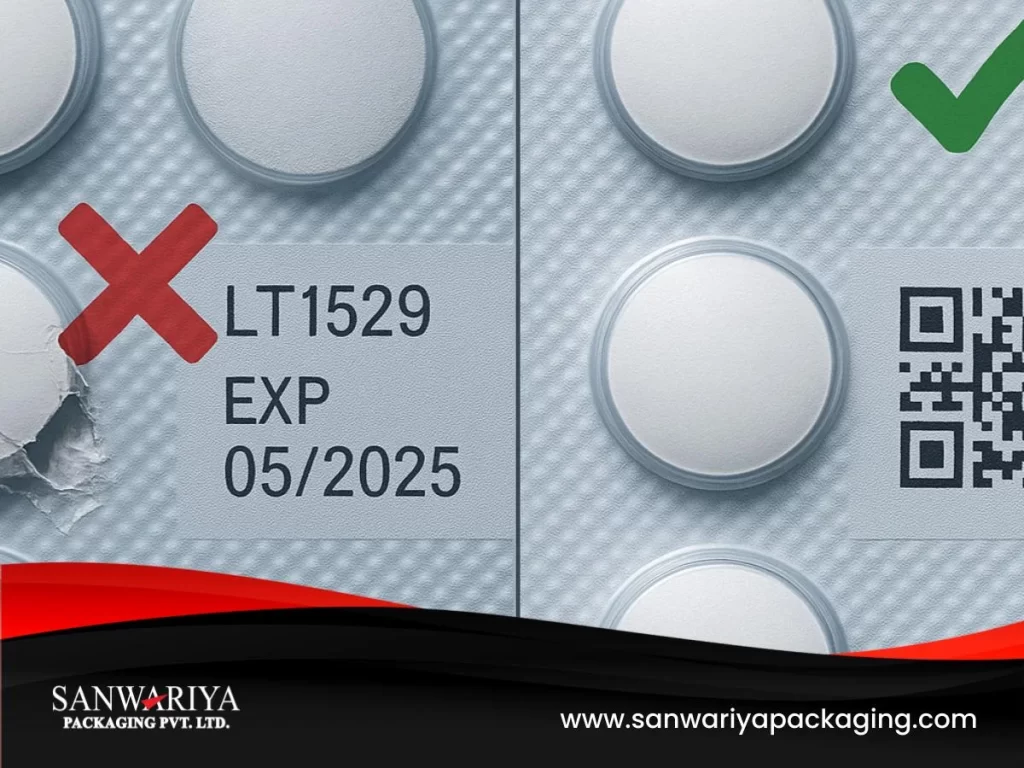
  • Misaligned barcodes or unreadable QR codes
  • Incomplete aggregation hierarchy (primary → secondary → tertiary)
  • Serialization systems that don’t integrate with local authority databases
Result: Failed inspections, customs clearance delays, and brand credibility damage.

Solution: Use high-resolution printing systems with secure inks and contrast optimization. Collaborate with foil vendors that support serialization-friendly printing and offer tamper-evident features.

5. Poor Localization of Language, Labeling & Instructions

Even technically compliant packaging can fail due to poor localization:

  • Wrong dosage unit (e.g., mg vs. mcg)
  • Incomplete patient warnings
  • Misinterpretation due to non-local terminology
Consequence: Patient misuse, regulatory penalties, or product recalls.

Solution: Localize all label elements, including drug names, storage conditions, and usage instructions. Review country-specific labeling regulations in detail.

6. Inadequate Documentation & Validation

A lack of robust documentation can halt shipments or fail audits:

  • Missing batch records or sealing validations
  • No verification of tamper-evidence
  • Absence of peel strength or vacuum leak test reports
Regulatory authorities demand full traceability — from printed foil to final shipper.

Solution: Implement GMP-aligned packaging validation, including:

  • Dye ingress & vacuum leak testing
  • Peel strength analysis
  • Tamper-evidence verification

Ensure all testing is documented and auditable.

Best Practices for Export-Ready Packaging

To avoid these pitfalls, pharma exporters should:

  • Conduct climate-specific risk assessments
  • Work with specialized foil suppliers for serialization & compliance support
  • Standardize validation protocols and maintain complete QA documentation
  • Train teams on evolving global regulations
  • Audit packaging under realistic transport simulations

Your Packaging is Your Passport

In global pharma logistics, packaging does more than protect — it represents your compliance, your credibility, and your commitment to patient safety.

One overlooked regulation or mismatched foil can jeopardize months of manufacturing and market access. That’s why export packaging demands precision, foresight, and verified quality.

At Sanwariya Packaging, we support pharma exporters with:

  • High-barrier aluminum foils tailored to climate zones
  • Serialization-ready printing with tamper-evidence and regulatory compliance
  • End-to-end documentation and validation support
  • Region-specific guidance for global shipments

Partner with us to safeguard your global supply chain — from formulation to final market.

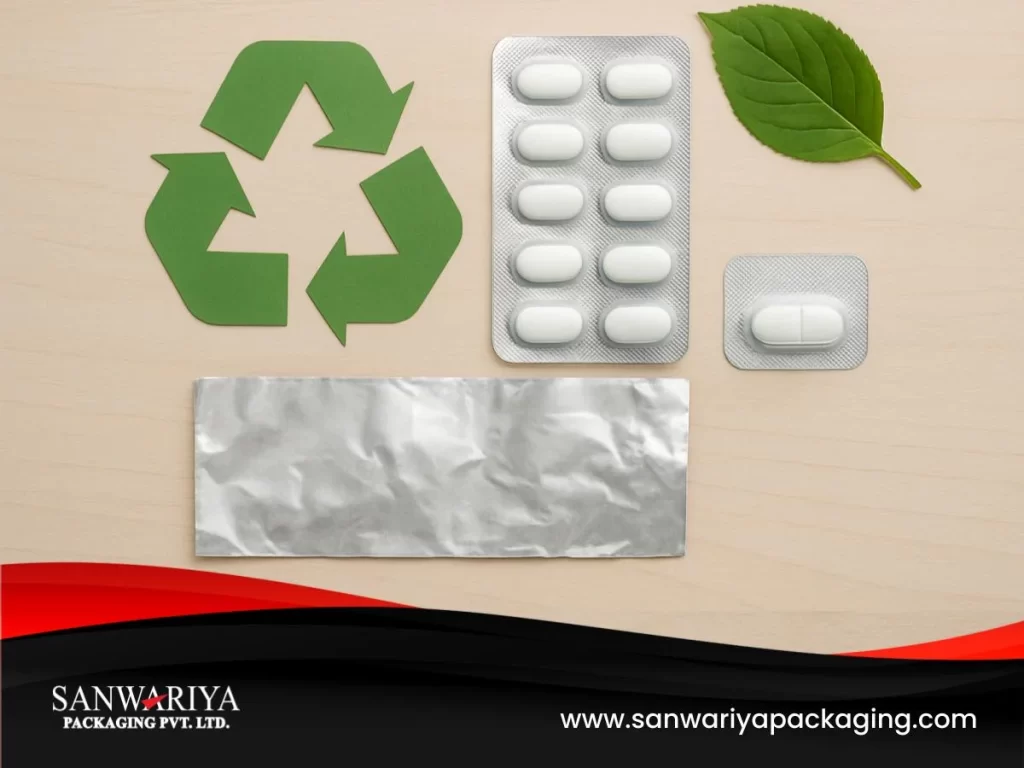
Recyclable aluminum foil used in pharmaceutical packaging

Sustainability has become a pressing concern across industries, and the pharmaceutical sector is no exception. With a growing emphasis on reducing environmental impact, the choice of packaging materials plays a pivotal role in achieving eco-friendly practices.

In this context, aluminum emerges as a game-changer. Its inherent properties not only ensure product safety but also align with global sustainability goals. Packaging, often overlooked, is a critical aspect of the pharmaceutical supply chain, influencing both environmental footprints and regulatory compliance. Let’s explore how aluminum is shaping the future of sustainable pharmaceutical packaging.

Challenges in Sustainable Pharma Packaging

The pharmaceutical industry faces unique challenges in adopting sustainable packaging solutions:

  • Environmental Concerns with Single-Use Plastics: The widespread use of plastics has led to significant environmental pollution, posing a challenge to achieving sustainability.
  • Balancing Performance with Eco-Friendliness: Pharmaceutical packaging demands materials that protect sensitive drugs while minimizing environmental impact.
  • Regulatory Pressures: Stricter regulations are pushing companies to adopt greener solutions that align with international guidelines.

Aluminum as a Sustainable Choice 

Aluminum stands out as an ideal material for sustainable pharmaceutical packaging due to its unique attributes:

A. 100% Recyclability

  • Aluminum can be recycled indefinitely without losing its quality.
  • Recycling aluminum saves up to 95% of the energy required to produce new aluminum.
  • According to global statistics, over 75% of aluminum ever produced is still in use today, highlighting its sustainability.

B. Reduced Carbon Footprint

  • The lightweight nature of aluminum reduces emissions during transportation.
  • Efficient manufacturing processes further enhance its eco-friendly profile.

C. Non-Toxicity

  • Aluminum is an inert material that does not release harmful substances during recycling or disposal, making it safe for both humans and the environment.

Benefits for Pharmaceutical Packaging

Aluminum’s advantages extend beyond sustainability, making it a preferred choice for pharmaceutical packaging:

A. Long Shelf Life = Reduced Waste

  • Aluminum’s superior barrier properties protect drugs from light, moisture, and gases, reducing spoilage.
  • By extending product shelf life, aluminum minimizes pharmaceutical waste.

B. Lightweight and Durable

  • Aluminum’s lightweight nature facilitates easier transportation and handling, lowering carbon emissions.
  • Its durability ensures the safe delivery of drugs even under challenging conditions.

C. Versatility in Applications

  • Aluminum is suitable for various packaging formats, including blister packs, strip packs, and sachets, offering flexibility without compromising on sustainability.

Meeting Global Sustainability Goals

The use of aluminum in pharmaceutical packaging aligns with global sustainability initiatives:

  • Sustainable Development Goals (SDGs): Aluminum supports responsible consumption and production (SDG 12) by promoting recyclability and reducing waste.
  • Compliance with Green Packaging Regulations: Major markets like Europe and North America are increasingly adopting aluminum as a greener alternative to traditional materials.

Innovations in Aluminum Foil Packaging

The evolution of aluminum packaging continues to drive sustainability:

  • Bio-Coatings and Water-Based Inks: These advancements enhance aluminum’s eco-friendliness without compromising its protective properties.
  • Thinner, Stronger Foils: Innovations in manufacturing have led to the development of aluminum foils that use less material while maintaining strength and functionality.

Several pharmaceutical companies are already adopting these innovations, demonstrating the industry’s commitment to sustainability.

Aluminum vs. Other Materials in Sustainability

A comparative analysis highlights aluminum’s edge over other materials:

A. Plastics

  • While versatile, plastics are non-biodegradable and have low recycling rates, contributing significantly to environmental pollution.

B. Glass

  • Glass is recyclable but heavy, leading to higher emissions during transportation.

C. Paper-Based Packaging

  • While eco-friendly, paper-based materials often lack the barrier properties required for pharmaceutical products.

As the pharmaceutical industry navigates the complexities of sustainability, aluminum emerges as a beacon of innovation and responsibility. Its unmatched properties—from recyclability and durability to versatility and non-toxicity—make it a cornerstone of eco-friendly packaging solutions. Aluminum not only meets the stringent requirements of pharmaceutical packaging but also aligns with global efforts to reduce environmental impact.

At Sanwariya Packaging Pvt. Ltd., we are committed to driving sustainability in the pharmaceutical industry. Our high-quality aluminum foils are designed to deliver exceptional performance while supporting eco-friendly practices. With innovative solutions like bio-coatings and security features, we help pharmaceutical companies achieve their packaging goals responsibly. Partner with us to lead the charge toward a greener, safer future.