

Blog by Sanwariya Packaging

Your Trusted Partner in Packaging

Learn About Our Vision for the Future And Grow with Us.

Your Trusted Partner in Pharma Packaging

Learn about our vision for the future and grow with us.

Your Trusted Partner
in Pharma Packaging

Learn about our vision for the future and grow with us.

Know More

Tag: Sustainable Pharmaceutical Packaging

NC-Free Printing- A Safer, Greener Future for Pharma

In an industry governed by safety, precision, and regulatory rigor, pharmaceutical packaging must keep pace with evolving environmental standards and worker protection mandates. One critical area of change is ink formulation—specifically, the move away from nitrocellulose (NC) inks.

NC-free (Nitrocellulose-free) printing is no longer a niche trend—it is a strategic upgrade. With global compliance requirements tightening and sustainability becoming a core brand pillar, the shift to NC-free inks offers pharmaceutical companies a safe, compliant, and environmentally responsible solution.

What Are NC-Free Inks—and Why Do They Matter?

Traditionally, NC-based inks have been favored for their fast drying and vivid visual output.

However, these inks come with significant drawbacks:

  • High VOC Emissions: Contributing to indoor air pollution and regulatory non-compliance.
  • Flammability Risks: NC-based inks are highly flammable, posing operational and storage hazards.
  • Disposal Challenges: Waste disposal from NC inks often violates environmental regulations in key export markets.
By contrast, NC-free inks are engineered to meet the same print performance standards—while drastically improving safety, environmental impact, and compliance.

Why Leading Pharma Brands Are Switching

Pharmaceutical manufacturers and CMOs using NC-free foil systems have reported measurable improvements:

  • Reduced Fire Risk — Safer working environments due to the elimination of flammable NC components.
  • Better GMP/EHS Audit Outcomes — Lower VOC output improves audit readiness and compliance ratings.
  • Waste Management Simplified — NC-free systems ease the burden of hazardous waste treatment.
  • Enhanced Brand Reputation — Demonstrates environmental responsibility to regulators, partners, and consumers.

Case Insights:
A European generics manufacturer observed a 15% reduction in packaging-related safety incidents within six months of adopting NC-free foil printing.

Compliance-Focused Printing: A Must for QA Teams

For Quality Assurance and Compliance leaders, NC-free inks align with pharmaceutical best practices. Key elements include:

1. Validation Readiness

NC-free systems support standard cGMP foil printing workflows and undergo:

  • Adhesion testing
  • Color consistency benchmarking
  • Solvent and chemical resistance checks

2. Audit Documentation

Ensure your packaging partner supplies:

  • VOC emission reports
  • Ink formulation data & batch traceability
  • REACH, RoHS, and other regulatory certifications

Supplier Qualification Checklist

RequirementWhat to Look For
Certified NC-Free Ink UsageVerified with technical data sheets
Validated WorkflowDocumented QC, ink handling, waste policies
Pharma-Specific CustomizationFonts, readability, and barcode clarity

NC-free ink systems contribute significantly to pharmaceutical sustainability initiatives:

  • Lower Emissions: Significant reduction in VOCs contributes to cleaner air.
  • Smaller Carbon Footprint: More efficient manufacturing and disposal.
  • Compliance with ESG & SDGs: Supports ISO 14001 and corporate ESG reporting mandates.

These factors are increasingly important in regulatory approvals and contract manufacturing evaluations—especially in the EU, Latin America, and emerging markets adopting green policies.

Common Concerns About NC-Free Inks

ConcernReality with NC-Free Solutions
Drying SpeedModern systems support high-speed curing
Color PerformanceRich pigments ensure brand consistency
Initial Cost of ChangeoverROI through safety, compliance & efficiency

NC-free systems are no longer experimental—they are proven, validated, and scalable for commercial pharma operations.

Time to Rethink Ink

Switching to NC-free ink systems is not just an environmental upgrade—it’s a forward-looking compliance and safety strategy. Pharmaceutical companies that make the switch benefit from improved regulatory outcomes, enhanced workplace safety, and strong ESG positioning.

At Sanwariya Packaging, we offer end-to-end NC-free foil printing solutions tailored for pharmaceutical use. Our inks are:

  • cGMP-compliant
  • VOC-tested and certified
  • Backed by stability data, regulatory documentation, and print durability reports

Let us help you build packaging that’s safer for your teams, smarter for your audits, and greener for your brand.

📞 Ready to go NC-free?

Contact Sanwariya Packaging today to explore customized foil printing solutions aligned with your compliance and sustainability goals.

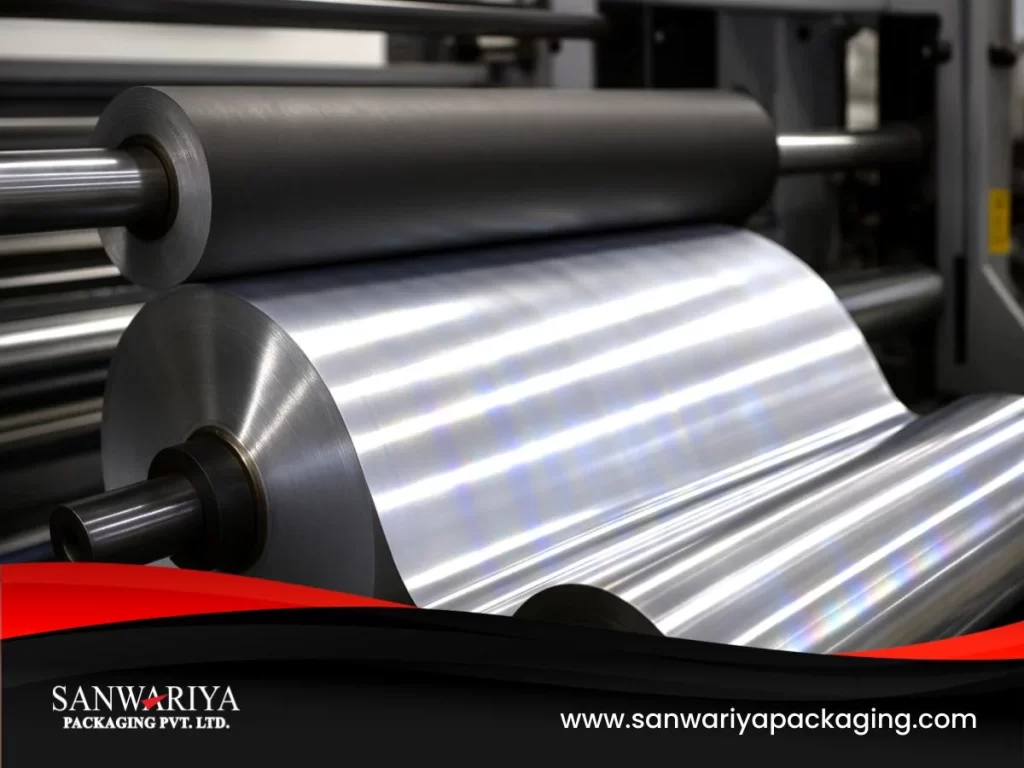
Recyclable aluminum foil used in pharmaceutical packaging

Sustainability has become a pressing concern across industries, and the pharmaceutical sector is no exception. With a growing emphasis on reducing environmental impact, the choice of packaging materials plays a pivotal role in achieving eco-friendly practices.

In this context, aluminum emerges as a game-changer. Its inherent properties not only ensure product safety but also align with global sustainability goals. Packaging, often overlooked, is a critical aspect of the pharmaceutical supply chain, influencing both environmental footprints and regulatory compliance. Let’s explore how aluminum is shaping the future of sustainable pharmaceutical packaging.

Challenges in Sustainable Pharma Packaging

The pharmaceutical industry faces unique challenges in adopting sustainable packaging solutions:

  • Environmental Concerns with Single-Use Plastics: The widespread use of plastics has led to significant environmental pollution, posing a challenge to achieving sustainability.
  • Balancing Performance with Eco-Friendliness: Pharmaceutical packaging demands materials that protect sensitive drugs while minimizing environmental impact.
  • Regulatory Pressures: Stricter regulations are pushing companies to adopt greener solutions that align with international guidelines.

Aluminum as a Sustainable Choice 

Aluminum stands out as an ideal material for sustainable pharmaceutical packaging due to its unique attributes:

A. 100% Recyclability

  • Aluminum can be recycled indefinitely without losing its quality.
  • Recycling aluminum saves up to 95% of the energy required to produce new aluminum.
  • According to global statistics, over 75% of aluminum ever produced is still in use today, highlighting its sustainability.

B. Reduced Carbon Footprint

  • The lightweight nature of aluminum reduces emissions during transportation.
  • Efficient manufacturing processes further enhance its eco-friendly profile.

C. Non-Toxicity

  • Aluminum is an inert material that does not release harmful substances during recycling or disposal, making it safe for both humans and the environment.

Benefits for Pharmaceutical Packaging

Aluminum’s advantages extend beyond sustainability, making it a preferred choice for pharmaceutical packaging:

A. Long Shelf Life = Reduced Waste

  • Aluminum’s superior barrier properties protect drugs from light, moisture, and gases, reducing spoilage.
  • By extending product shelf life, aluminum minimizes pharmaceutical waste.

B. Lightweight and Durable

  • Aluminum’s lightweight nature facilitates easier transportation and handling, lowering carbon emissions.
  • Its durability ensures the safe delivery of drugs even under challenging conditions.

C. Versatility in Applications

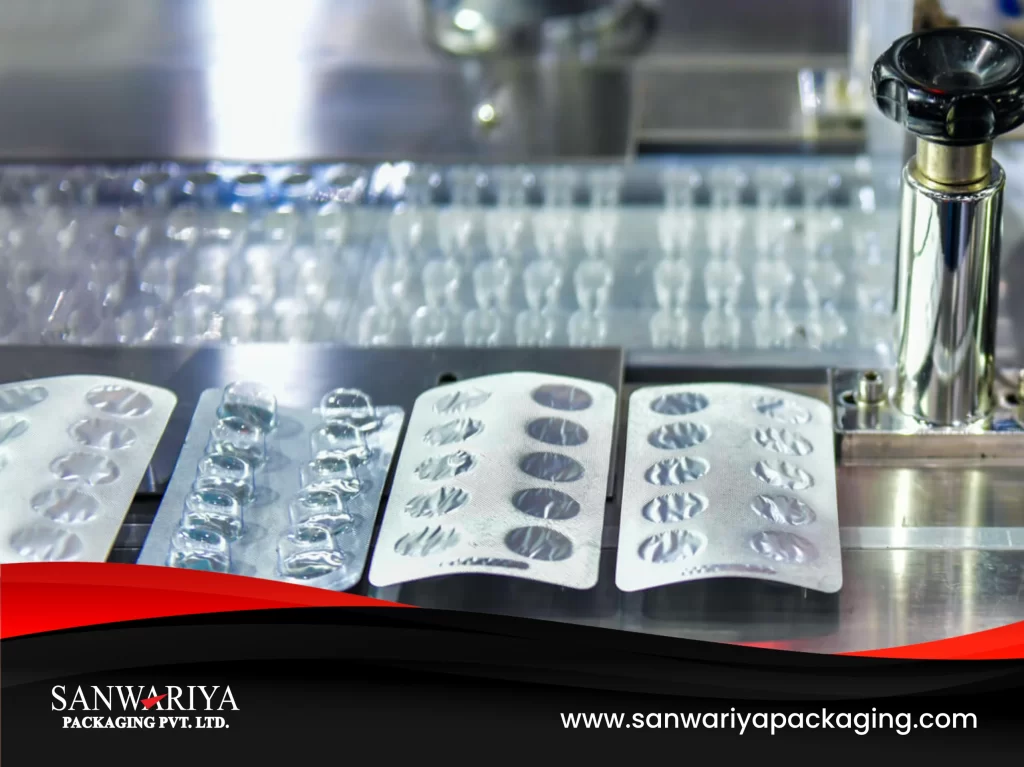
  • Aluminum is suitable for various packaging formats, including blister packs, strip packs, and sachets, offering flexibility without compromising on sustainability.

Meeting Global Sustainability Goals

The use of aluminum in pharmaceutical packaging aligns with global sustainability initiatives:

  • Sustainable Development Goals (SDGs): Aluminum supports responsible consumption and production (SDG 12) by promoting recyclability and reducing waste.
  • Compliance with Green Packaging Regulations: Major markets like Europe and North America are increasingly adopting aluminum as a greener alternative to traditional materials.

Innovations in Aluminum Foil Packaging

The evolution of aluminum packaging continues to drive sustainability:

  • Bio-Coatings and Water-Based Inks: These advancements enhance aluminum’s eco-friendliness without compromising its protective properties.
  • Thinner, Stronger Foils: Innovations in manufacturing have led to the development of aluminum foils that use less material while maintaining strength and functionality.

Several pharmaceutical companies are already adopting these innovations, demonstrating the industry’s commitment to sustainability.

Aluminum vs. Other Materials in Sustainability

A comparative analysis highlights aluminum’s edge over other materials:

A. Plastics

  • While versatile, plastics are non-biodegradable and have low recycling rates, contributing significantly to environmental pollution.

B. Glass

  • Glass is recyclable but heavy, leading to higher emissions during transportation.

C. Paper-Based Packaging

  • While eco-friendly, paper-based materials often lack the barrier properties required for pharmaceutical products.

As the pharmaceutical industry navigates the complexities of sustainability, aluminum emerges as a beacon of innovation and responsibility. Its unmatched properties—from recyclability and durability to versatility and non-toxicity—make it a cornerstone of eco-friendly packaging solutions. Aluminum not only meets the stringent requirements of pharmaceutical packaging but also aligns with global efforts to reduce environmental impact.

At Sanwariya Packaging Pvt. Ltd., we are committed to driving sustainability in the pharmaceutical industry. Our high-quality aluminum foils are designed to deliver exceptional performance while supporting eco-friendly practices. With innovative solutions like bio-coatings and security features, we help pharmaceutical companies achieve their packaging goals responsibly. Partner with us to lead the charge toward a greener, safer future.